

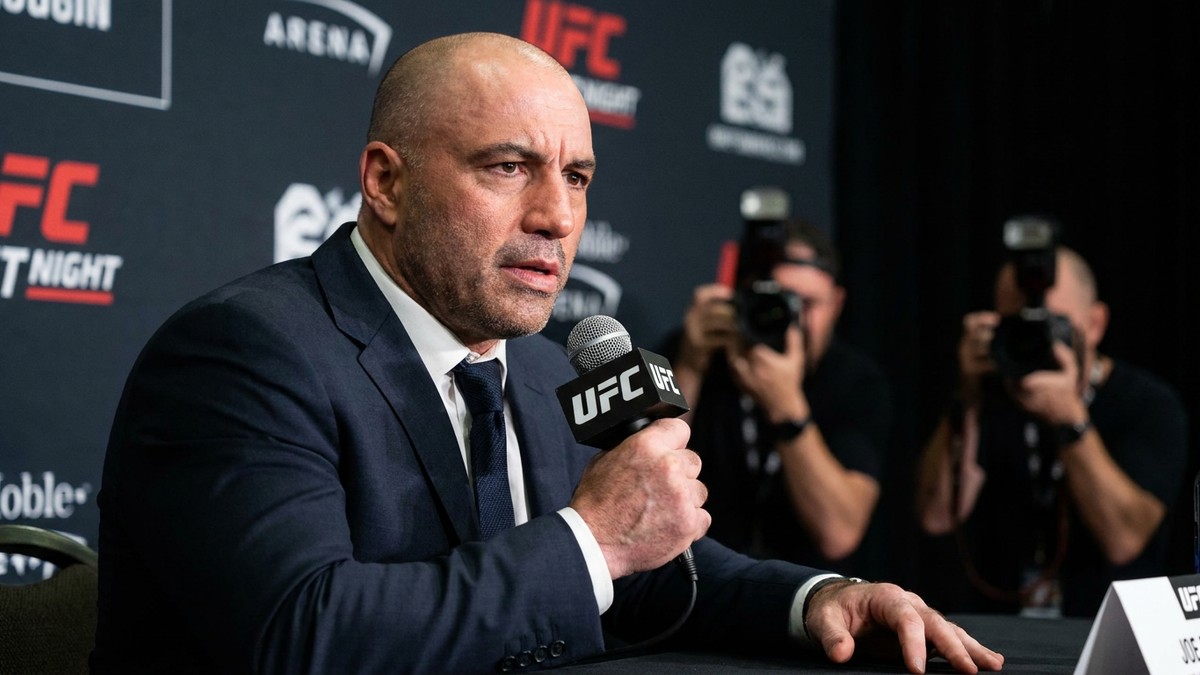
Joe Rogan has renewed his criticism of the UFC’s show-and-win payment structure, calling the arrangement the “most bullshit part of the UFC” during a recent JRE MMA Show discussion. Rogan’s central objection was not that fighters should be paid more only after a victory. Instead, he argued that a fighter’s contracted purse should be guaranteed rather than split into show money and a matching payment that depends on the result. For Rogan, the issue is the financial consequence of a decision that can rest with judges or be affected by circumstances a fighter cannot fully control.
Rogan’s comments focused on the familiar setup in which an athlete receives one contracted amount for appearing in a fight and another, often equal amount for winning. He said the format puts too much of a fighter’s career, future and ability to feed a family in the hands of people who can sometimes get a decision wrong. The argument was delivered forcefully, but its point was specific: Rogan does not believe a win bonus at the highest level creates more effort from competitors who are already trying as hard as possible to win. He said fighters should simply receive the amount they are paid, without half of that basic compensation being decided fight by fight.
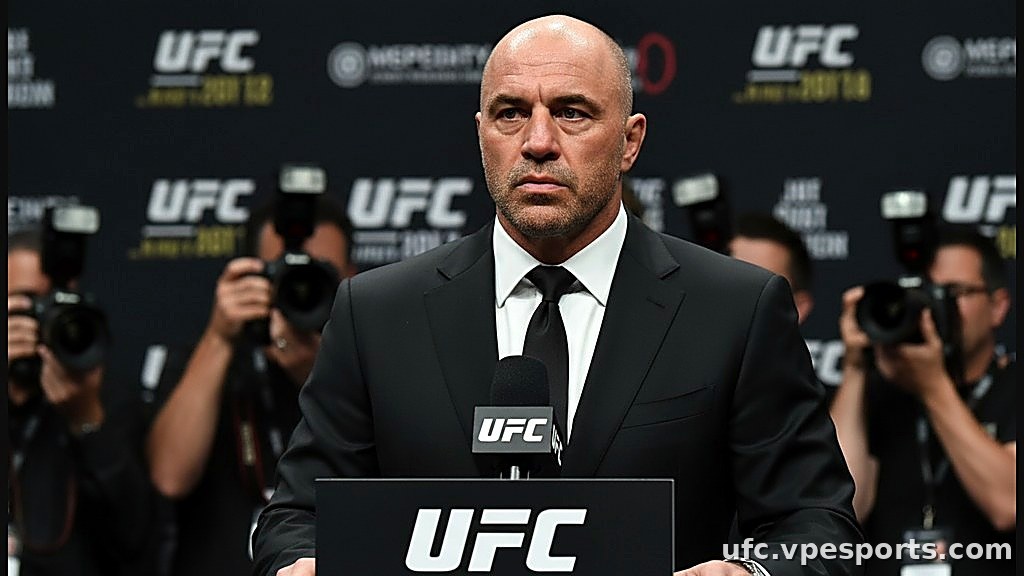
Joe Rogan’s case against conditional pay
Joe Rogan acknowledged that perfect judging might allow someone to make an argument for a result-based payment system, but he said he still would not support it. In his view, elite fighters do not need the prospect of a win bonus to make them compete harder. They are already fighting as hard as they can, which means the conditional payment does not serve as a meaningful extra incentive. That distinction is important to Rogan’s position. He was not discussing a separate discretionary reward for an exceptional performance. He was criticizing the practice of treating the second half of a fighter’s basic contracted show-and-win purse as something that must be earned through a result.
Rogan said that approach exposes a major portion of a fighter’s earnings to the “whims” of people who sometimes get calls wrong. The concern also reaches beyond judging. The supplied discussion noted that poor officiating, questionable scorecards and freak injuries can affect an outcome after a fighter has spent months preparing. Rogan’s proposed principle is straightforward: the contracted rate should be the guaranteed rate. A fighter’s preparation, risk and effort do not disappear simply because the official result goes against them.
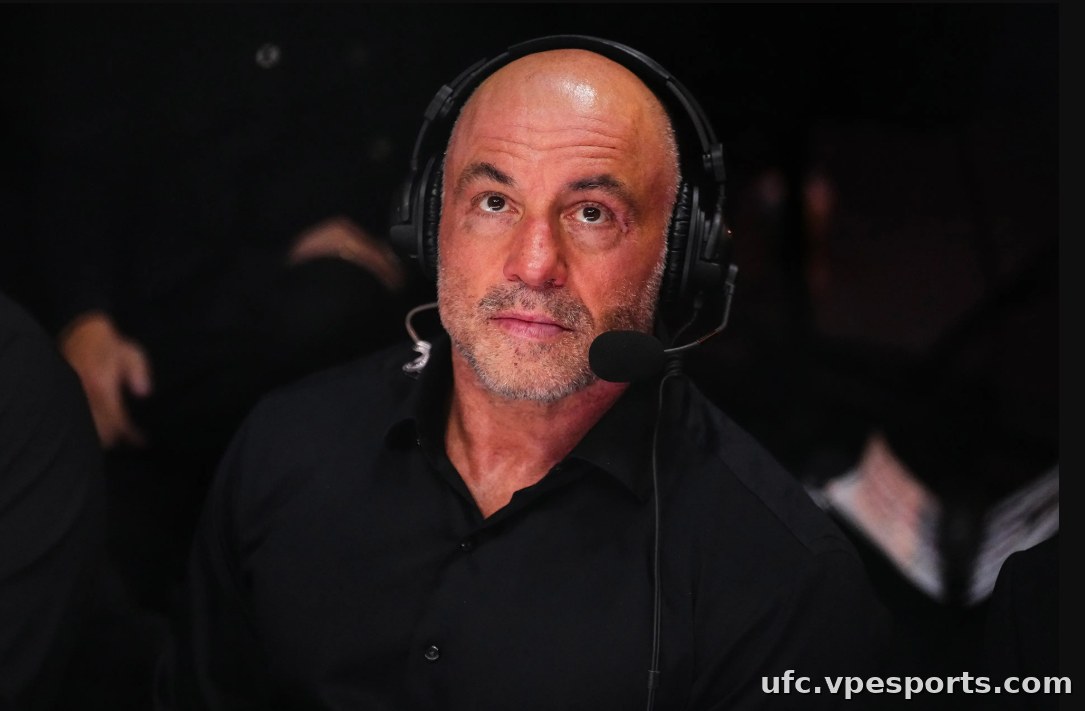
The current remarks were made on JRE MMA Show 184 during a conversation with former bantamweight champion Aljamain Sterling. The fighter-pay exchange begins at the 6:22 mark of the discussion. Rogan had voiced a similar view in 2020, when he called win bonuses unfair and argued for guaranteed purses, making the latest comments a continuation of an established position rather than a new complaint. Sterling did raise one limited counterpoint to Rogan’s argument about incentives. He recalled becoming especially motivated when Dana White increased UFC 300 performance bonuses to $300,000 before Sterling’s fight with Calvin Kattar. Rogan’s response did not reject the idea that a special bonus can create excitement. His point was that evenly matched, skillful fighters can still neutralize each other despite their intent. A fight that fans view as boring is not necessarily proof that either athlete lacked effort or ambition.
Joe Rogan separates effort from outcomes
Joe Rogan’s comments frame the pay question around the difference between what a fighter is contracted to earn and what an athlete may receive as an additional reward. He argued that a competitor’s fundamental purse should not hinge on whether the contest produces the desired result. That is particularly relevant to his observation that skilled opponents can cancel each other out, even when both are trying to deliver an exciting fight. Sterling’s UFC 300 example supplied a useful contrast within the same conversation. He said the elevated performance-bonus announcement affected what he considered doing against Kattar, including the possibility of taking bigger risks in pursuit of a finish.
But Sterling also said it takes two fighters to create that kind of contest, and that the fight did not unfold that way. Sterling beat Kattar by unanimous decision on April 13, 2024. UFC Stats recorded a 39-8 significant-strike advantage and eight takedowns for Sterling. For Rogan, that example does not change the broader issue. A separate performance bonus can be an additional opportunity, while a show-and-win split makes part of the contracted purse conditional. His criticism is aimed at the latter. He said fighters should be paid what they are paid because a loss can follow a close decision, an officiating issue, an injury or a competitive matchup in which neither athlete can force the action fans expect.
- Joe Rogan’s position: a fighter’s contracted purse should be guaranteed instead of being divided between show money and a win-dependent payment.
- Joe Rogan’s reasoning: elite fighters are already trying to win, while judging, officiating, injuries and difficult matchups can influence the result.
| Discussion point | Confirmed detail |
|---|---|
| Latest comments | Joe Rogan made the remarks during JRE MMA Show 184; the fighter-pay exchange begins at 6:22. |
| Earlier position | Joe Rogan also criticized win bonuses and argued for guaranteed purses in 2020. |
Joe Rogan’s latest criticism is ultimately a call to separate a fighter’s basic pay from the uncertainty of a single result. He accepts that fans want exciting fights, but argues that the realities of high-level competition should not determine whether an athlete receives the full contracted purse.
Sources: MMA Fighting; MiddleEasy


Fight Talk
Share your take on this story
Start the Conversation
Be the first to share your take. Discuss the fight, reactions, and predictions with other fans.