

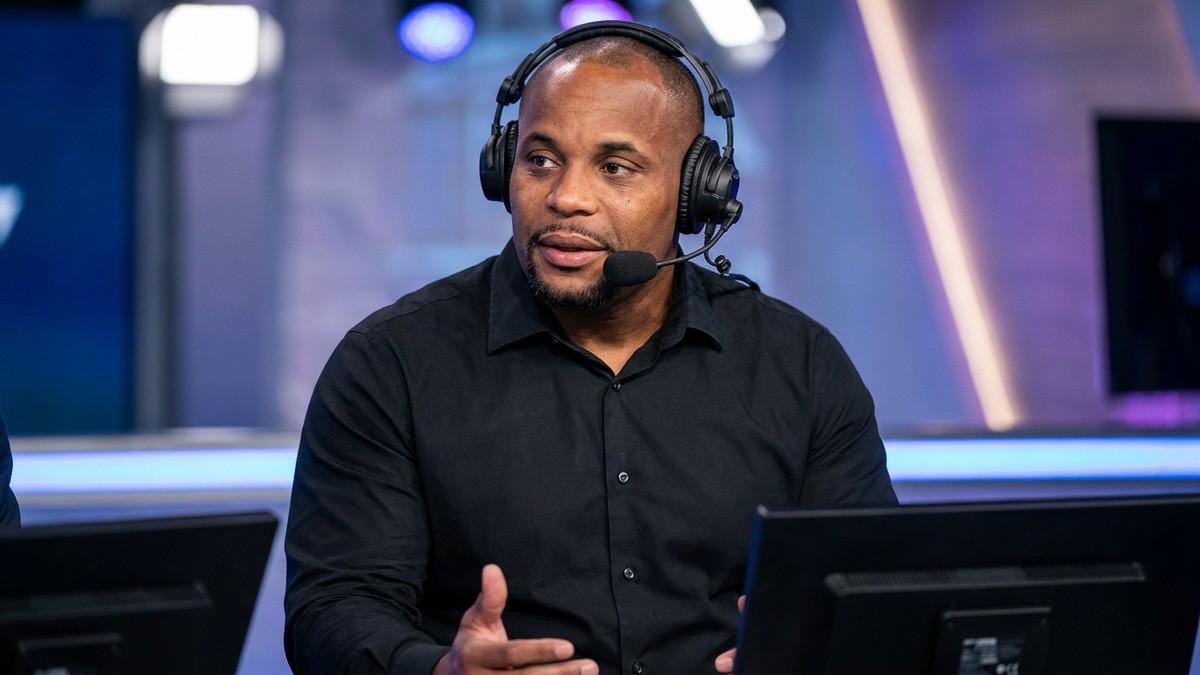
Daniel Cormier has recalled a striking moment from his work on a UFC broadcast, describing how he criticized a fighter’s grappling performance without knowing the bout would later be associated with possible fight-fixing claims. The UFC Hall of Famer said he was providing color commentary at the UFC APEX when he became increasingly frustrated by what he viewed as a failure to use basic defensive techniques on the ground. In Cormier’s telling, the performance appeared so poor that he openly questioned how a competitor at that level could be struggling with fundamental positions.
Cormier said the meaning of the performance changed only after the fight was over. He recalled being contacted and told that the fighter had been under investigation in connection with possible fight fixing. His account does not identify the athlete or the specific contest, but it gives a broadcaster’s view of how unusual action can first register as a technical breakdown rather than a potential integrity issue. That distinction is central to Cormier’s story: during the broadcast, he was evaluating execution, not attempting to diagnose why it was happening. Later information, he said, gave his criticism a very different context.
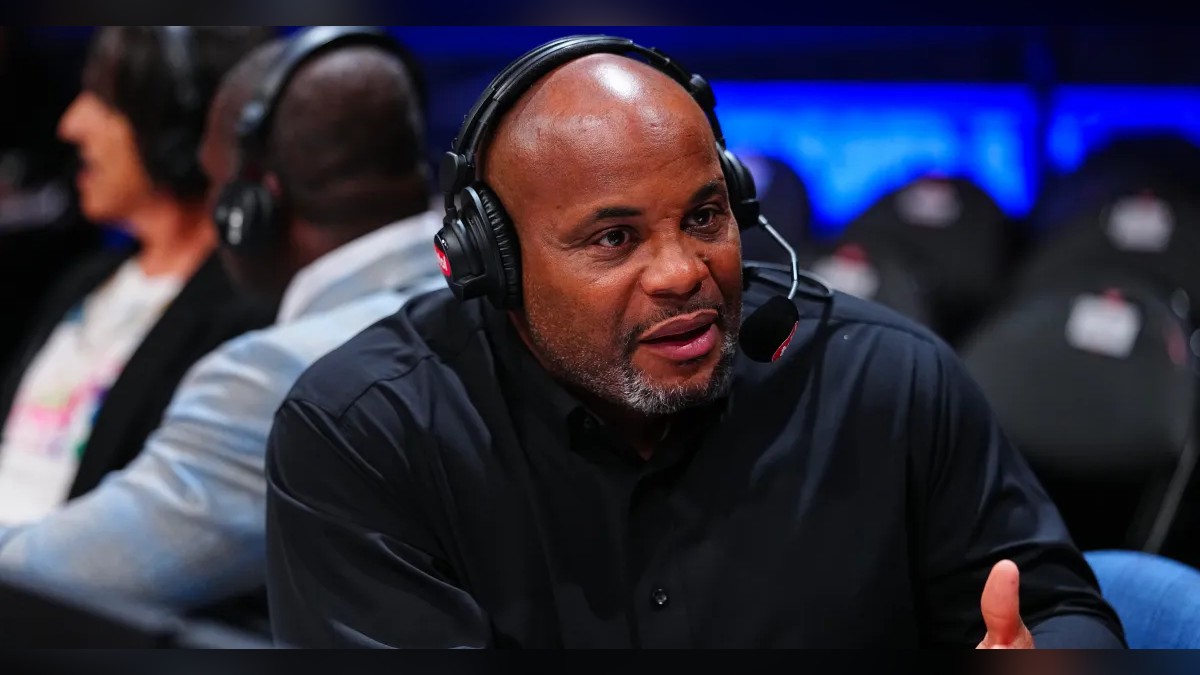
Cormier’s commentary came before the warning
Cormier said the fighter was grappling at the UFC APEX and looked “so horrible at grappling” from his perspective at the commentary desk. He described himself as breaking down the competitor’s technique because it did not seem to meet the standard he expected. The issue, as Cormier framed it, was not a subtle tactical mistake. He said the fighter was failing to attempt basic actions needed to defend and get out of danger on the ground.
That made the later call from the UFC especially memorable for Cormier. He said officials noted that he had been calling out the fighter’s performance while having no idea about the concerns surrounding the bout. Cormier further recalled that, after the fighter lost, he was taken to the back because the FBI was already present. The account is limited to what Cormier said he was told; he did not name the fight, identify the athlete or provide a date. Still, it illustrates the timeline he described: an alarming performance was visible to viewers in real time, while the possible explanation emerged for him only afterward. The source material also says the UFC has increased efforts to address suspicious betting after incidents that drew FBI involvement in potential fight-fixing investigations.
Why Cormier said vigilance must continue
Cormier connected his recollection to the broader challenge of protecting the authenticity of UFC competition. He said betting-line movement after weigh-ins can create concern that someone may know about an injury or other information that has not become public. According to Cormier, if a line swings sharply enough to raise questions, the UFC can pull a fight. He said the promotion does not take such situations lightly. Cormier’s point was not that every betting change proves wrongdoing. Rather, his account described why irregularities can demand scrutiny before or after a contest.
A commentator can assess whether a fighter is defending properly, taking shots or making sound decisions. Investigators and officials, by contrast, may have access to betting patterns and other warning signs beyond what is visible during a round. That separation helps explain why Cormier said he initially treated the performance as poor technique. The supplied report notes that the fight Cormier meant was not confirmed. It says his description appears likely to concern Isaac Dulgarian, whose betting line moved from favorite to underdog before a first-round submission loss at the APEX.
The report also states that Dulgarian was later released from the UFC roster and suspended by the Nevada Athletic Commission for conduct deemed “discredit to unarmed combat.” But Cormier himself did not identify Dulgarian, so that connection remains an attribution in the report rather than a confirmed identification from Cormier. The report further cites a separate past situation involving Darrick Minner, which led to his release from the promotion and left his coach James Krause effectively banned from the sport. Those examples provide the background for Cormier’s emphasis that the effort to detect integrity concerns cannot be treated as finished. His conclusion was direct: competition has to remain authentic and real.
- Cormier said his initial live assessment focused on a fighter’s failure to use basic grappling defense.
- Cormier said he later learned the fighter was under investigation over possible fight-fixing claims.
| Point in Cormier’s account | Confirmed detail from the source |
|---|---|
| During the broadcast | Cormier said he criticized the fighter’s grappling and basic defensive shortcomings. |
| After the fight | Cormier said the UFC contacted him and told him the fighter was under investigation for possible fight fixing. |
Daniel Cormier’s recollection is notable because it follows the path from a commentator’s immediate technical judgment to a later warning about possible integrity concerns. He did not name the bout or fighter, and the report does not establish that identification through his comments. What Cormier did make clear is that suspicious betting and questionable performances require continued attention. For him, the standard is straightforward: UFC fights must remain authentic.
Sources: MMA Fighting

Fight Talk
Share your take on this story
Start the Conversation
Be the first to share your take. Discuss the fight, reactions, and predictions with other fans.