

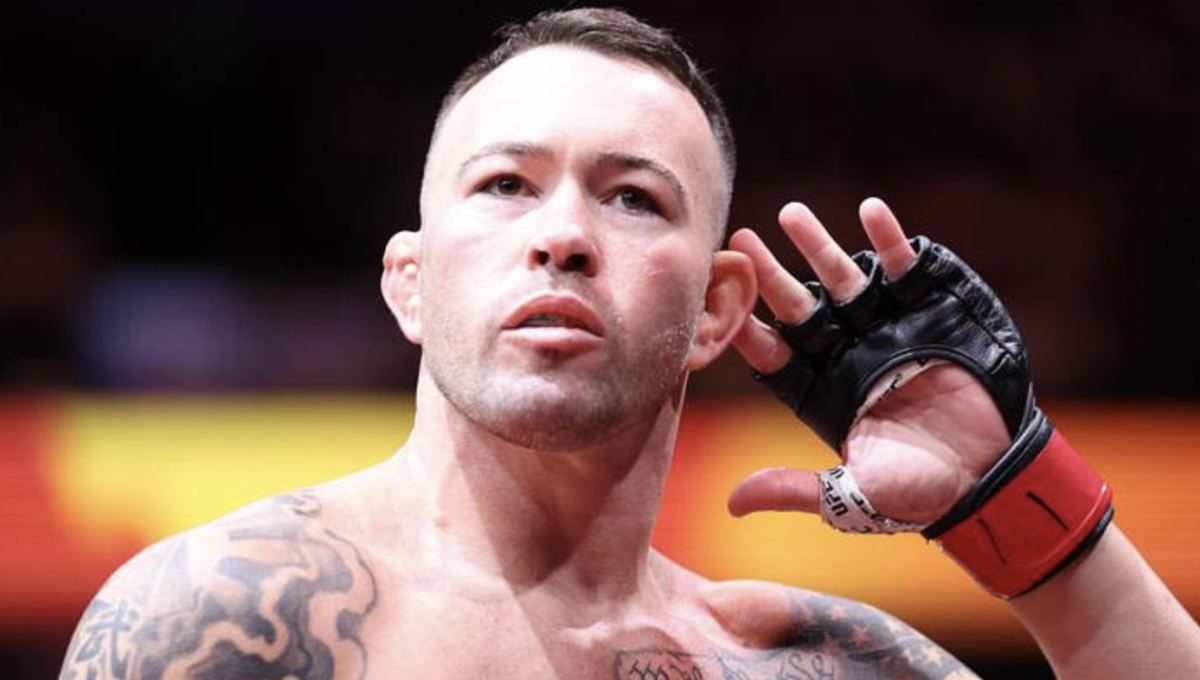
Colby Covington won RAF 11 by controlling the score, but his description of Arman Tsarukyan centered on the moments when control almost disappeared. The new crossover champion left Milwaukee with a five-to-three decision and then emphasized the lightweight contender’s strength, repeated pressure and ability to turn one takedown into an unexpectedly powerful lift.
That reaction is more useful than routine praise because it matches the competitive shape of the contest. Covington built an early advantage, defended for long stretches and added points when Tsarukyan’s late attacks exposed a route behind him. Tsarukyan nevertheless stayed within one scoring action of changing the result. His urgency lasted to the final exchange, forcing the larger and more decorated American wrestler to protect a narrow margin rather than coast.
The lift that surprised Covington
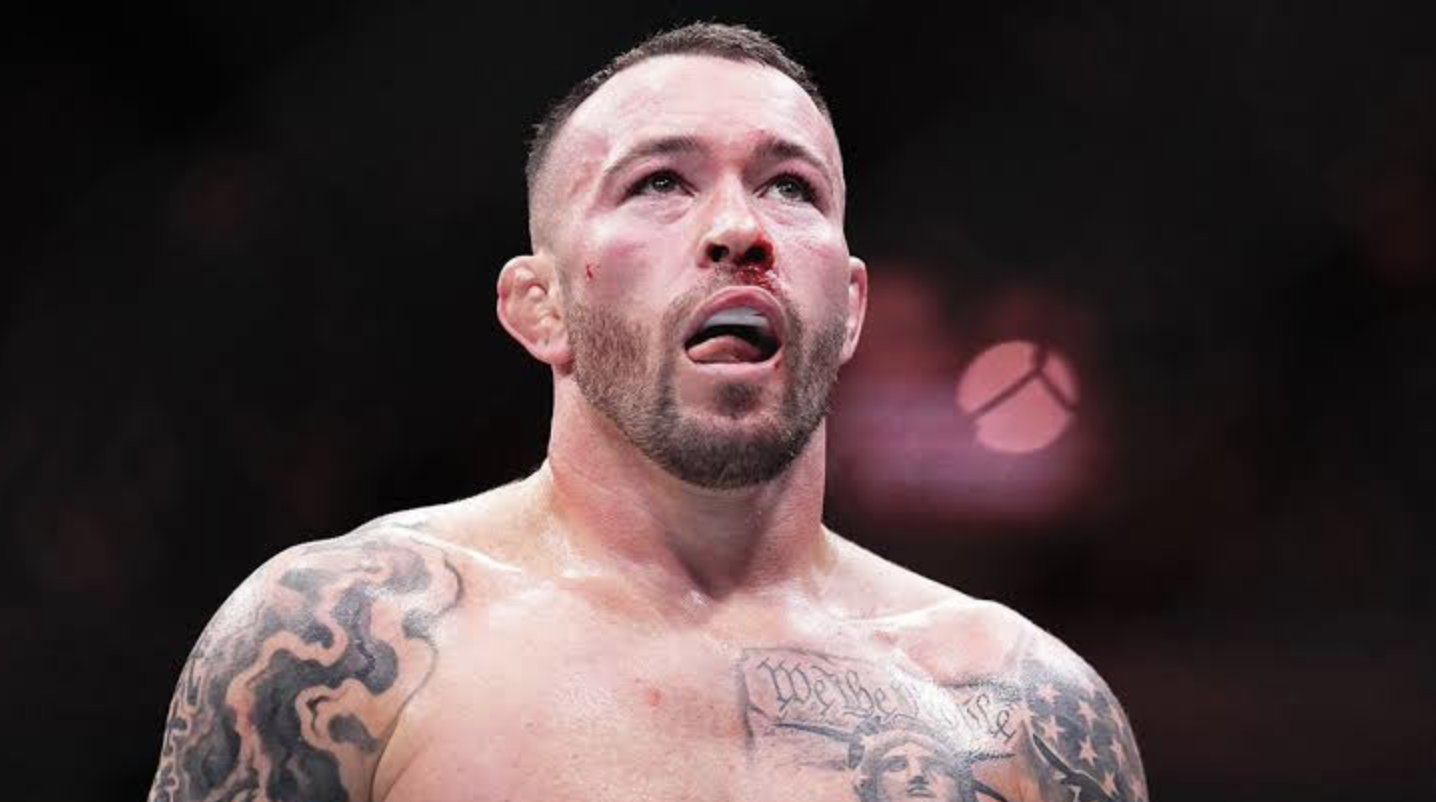
The champion singled out a second-period sequence. Tsarukyan reached a clean single leg, drove through the position and raised Covington off the mat. Covington chose to give up the takedown rather than remain exposed during the lift. He later said the ease with which Tsarukyan moved him was unexpected. Coming from a career welterweight with an accomplished collegiate wrestling background, that assessment carried particular weight.
Covington had done the early scoring. A shot-clock point and his own takedown put him three points ahead after the opening period. When Tsarukyan reduced the difference, Covington answered through defense and positioning. Near the end of the second, another Tsarukyan entry allowed Covington to sprawl, turn the corner and collect two points. That response restored the cushion that ultimately decided the match.
There was no comfortable closing stretch. Tsarukyan attacked with greater urgency in the third because he trailed, and Covington incurred a shot-clock penalty. Even then, the challenger could not complete another decisive entry. Covington continued to sprawl and deny the angle needed to finish. The final score reflected both sides of his account afterward: he had enough answers to win, yet Tsarukyan made him produce those answers until time expired.
Praise followed a tactical victory
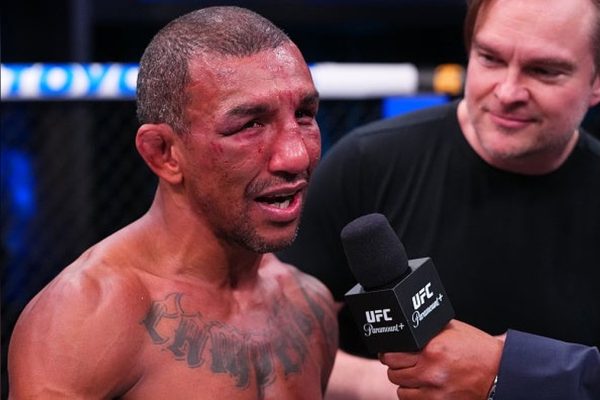
Covington described Tsarukyan as an elite competitor and predicted that he would become the UFC lightweight champion. That forecast is an opponent’s opinion, not an official change in the lightweight title picture. Its significance lies in the setting. Covington had just handed Tsarukyan his first defeat in RAF and could have used the result to diminish him. Instead, he treated the narrow win as validation of the challenge both men had presented.
A future wrestling rematch also appealed to Covington. He recognized that Tsarukyan’s UFC schedule may take priority and suggested another meeting when the lightweight is not preparing for a cage bout. No return match between them was confirmed. Covington’s immediate RAF story subsequently moved toward Belal Muhammad, while the Tsarukyan idea remained an invitation for later rather than the champion’s next announced defense.
The match explains why that invitation has value. Tsarukyan could point to one completed takedown, sustained forward work and a score that remained close. Covington could point to the early lead, the counter-scoring sequences and a defense that survived the final surge. A second contest would begin with actual tactical questions rather than manufactured hostility: can Tsarukyan convert more entries, and can Covington create offense without relying as heavily on reactions? Those questions arise directly from RAF 11, although their answers must wait for another booking.
- Covington opened a three-point advantage through the activity clock and an early takedown.
- Tsarukyan’s clean single leg produced the lift that most impressed the eventual winner.
- Defensive turns and late resistance carried Covington to the inaugural crossover championship.

| Match phase | Decisive development |
|---|---|
| Opening period | Covington established the first substantial lead |
| Closing period | Tsarukyan pressed forward but could not erase the remaining deficit |
Covington’s praise did not soften the result; it explained why the result mattered to him. He defeated a younger opponent who stayed aggressive, generated the bout’s most surprising display of power and remained dangerous at the finish. The belt belongs to Covington, while the post-match respect belongs to Tsarukyan. Any rematch is still hypothetical, but RAF 11 provided a credible sporting reason for both men to consider it.



Fight Talk
Share your take on this story
Start the Conversation
Be the first to share your take. Discuss the fight, reactions, and predictions with other fans.