

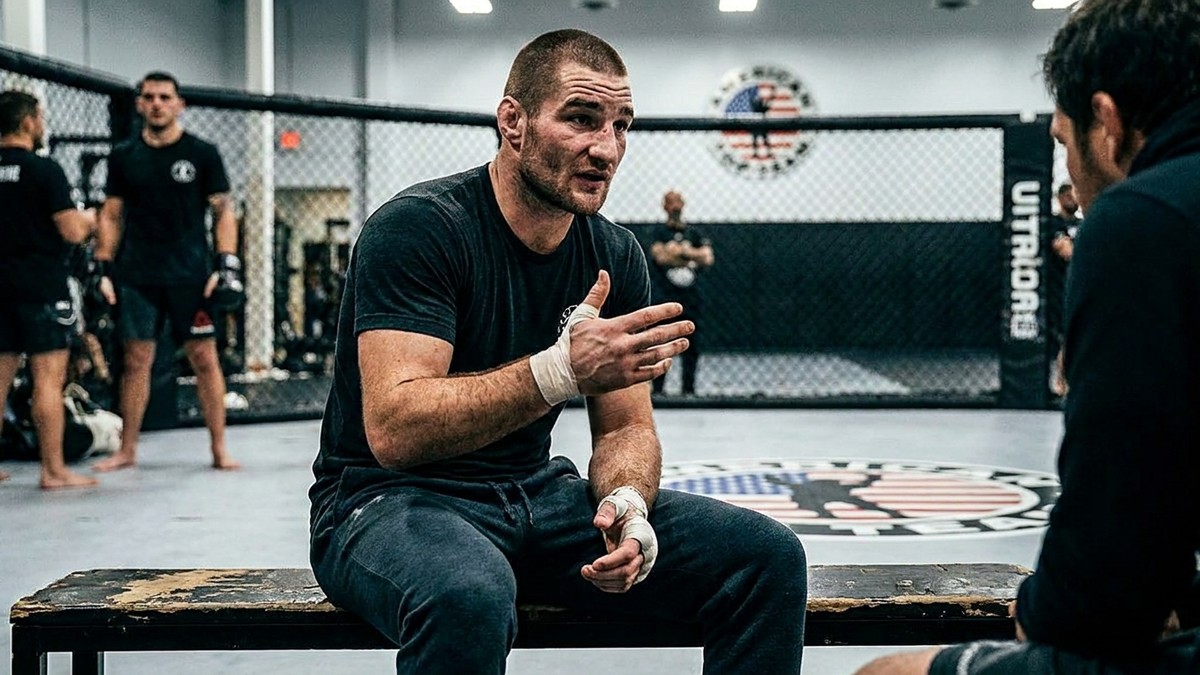
Sean Strickland has publicly criticized UFC matchmaker Sean Shelby, describing the way fighters can be offered bouts on short notice and then left inactive after turning them down. Speaking during an appearance on the Shawn Ryan Show, Strickland framed the process as a difficult reality for athletes trying to protect both their preparation and their place on the roster. His comments were notable because he said Shelby is his friend, while also making clear that their relationship did not stop him from attacking the matchmaking approach he described.
Strickland said a fighter can have what he characterized as a boring performance and then be benched for around eight months. He also said a fighter asking for a matchup might instead receive a call only two weeks before an event. In Strickland’s account, declining that offer can carry consequences, with the fighter then being left without a booking. The current middleweight champion called the situation brutal and said, “Everybody hates dealing with him,” when discussing Shelby. The remarks put the focus on the practical pressure created by short-notice opportunities rather than on a single proposed fight or a specific opponent.
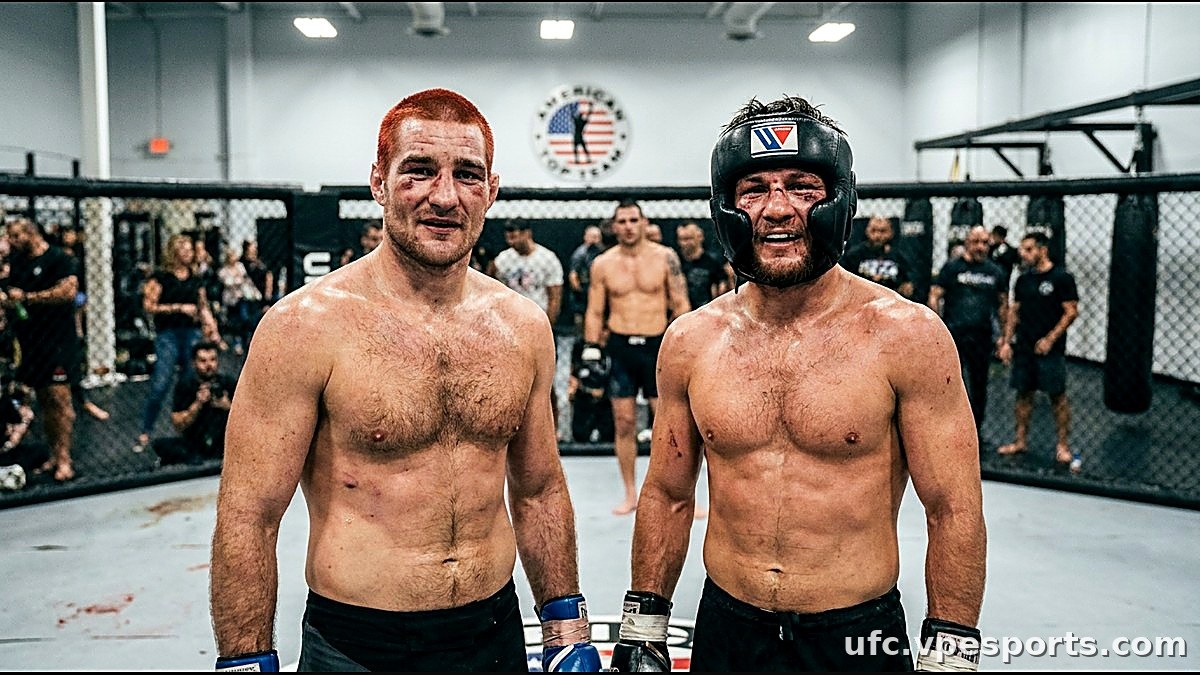
Strickland describes the short-notice pressure
Strickland’s central complaint was not that short-notice fights exist, but that the choice can feel limited when a late offer arrives. He said matchmakers can call two weeks before a fight, even after a fighter has requested an opportunity. That timeline, as Strickland presented it, leaves little room for an ideal camp or a carefully planned preparation. He also said fighters can be benched after saying no, making the decision about more than whether they want to compete on a particular date.
The comments carry added weight because Strickland acknowledged that taking a late replacement bout can bring meaningful rewards. He said UFC bosses value fighters who accept those opportunities and that short-notice fights can provide the biggest pay boosts. At the same time, he stressed the downside: competing without ideal preparation can put a fighter’s standing on the roster at risk. That is the conflict at the heart of his criticism. A late call can offer money and visibility, but it can also ask an athlete to take a consequential fight under conditions the athlete did not choose. Strickland’s position was that the consequences of refusing such an offer can make the supposed choice especially difficult.
Strickland’s career gives his point context
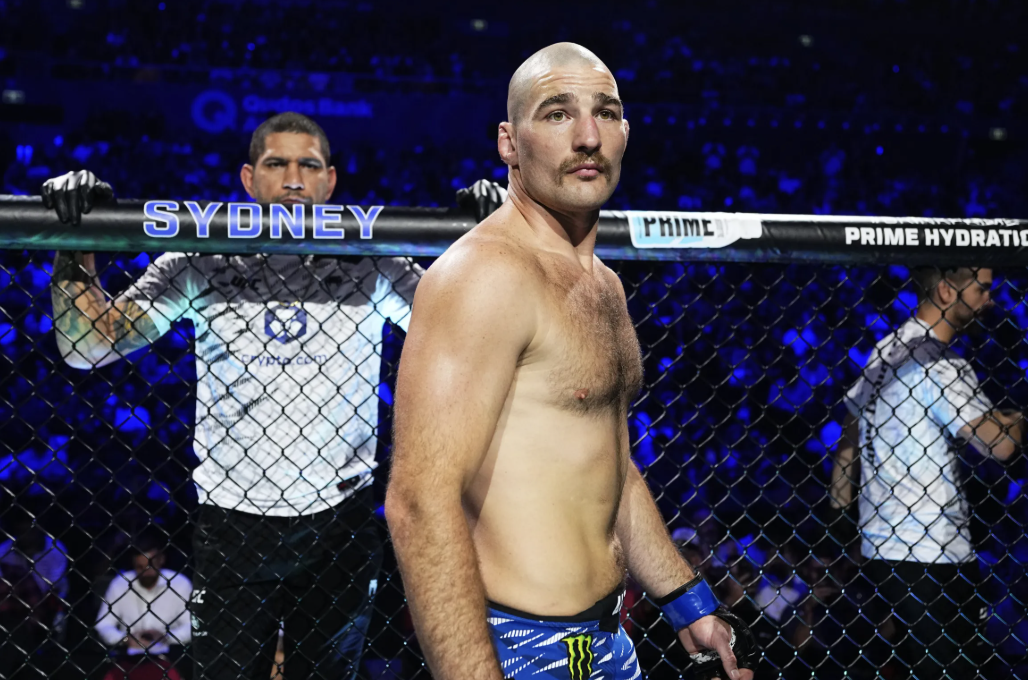
Strickland has personal experience with a major short-notice opportunity. The supplied account states that he stepped into the UFC 293 main event on just over a month’s notice and upset Israel Adesanya to win the middleweight title. That episode shows why Strickland did not dismiss late replacements as automatically negative. In his own career, accepting one created the path to the championship. But his criticism separates the potential reward from the broader system around it. A successful late replacement can be transformative, while a poorly timed offer can still leave a fighter preparing under less-than-ideal circumstances. Strickland also previously said he felt pressured to accept his UFC 312 rematch with Dricus du Plessis despite not being ready, saying, “you don’t say no to the master.” Within the source material, that earlier statement reinforces the concern he raised about the consequences attached to refusing a fight. Strickland also made the criticism personal without presenting Shelby as an enemy. He said Shelby had been his matchmaker at welterweight and referred to him as a friend. Yet Strickland’s blunt assessment was that fighters dislike dealing with him. The significance of that contrast is clear: Strickland was not merely reacting to a distant UFC official, but speaking about someone he says he knows while challenging the leverage held by matchmakers.
- Strickland said fighters may receive a bout offer only two weeks before an event, even when they have been seeking a fight.
- Strickland said short-notice fights can produce larger pay boosts, but they also risk placing fighters in the Octagon without ideal preparation.
| Strickland point | Source-supported context |
|---|---|
| Potential consequence of declining | Strickland said a fighter can be benched after saying no to a short-notice offer. |
| Potential benefit of accepting | Strickland said UFC bosses value late replacements and that such fights can bring the biggest pay boosts. |
Strickland’s criticism of Shelby centers on leverage, timing and the cost of refusing a late call. His UFC 293 title-winning opportunity demonstrates the upside he sees in stepping up, while his remarks on preparation and inactivity explain why he believes the system can be punishing. For Strickland, the issue is not simply whether a fighter accepts a short-notice fight; it is whether that fighter can realistically decline one without facing an extended wait for another chance.
Sources: Bloody Elbow
Fight Talk
Share your take on this story
Start the Conversation
Be the first to share your take. Discuss the fight, reactions, and predictions with other fans.