

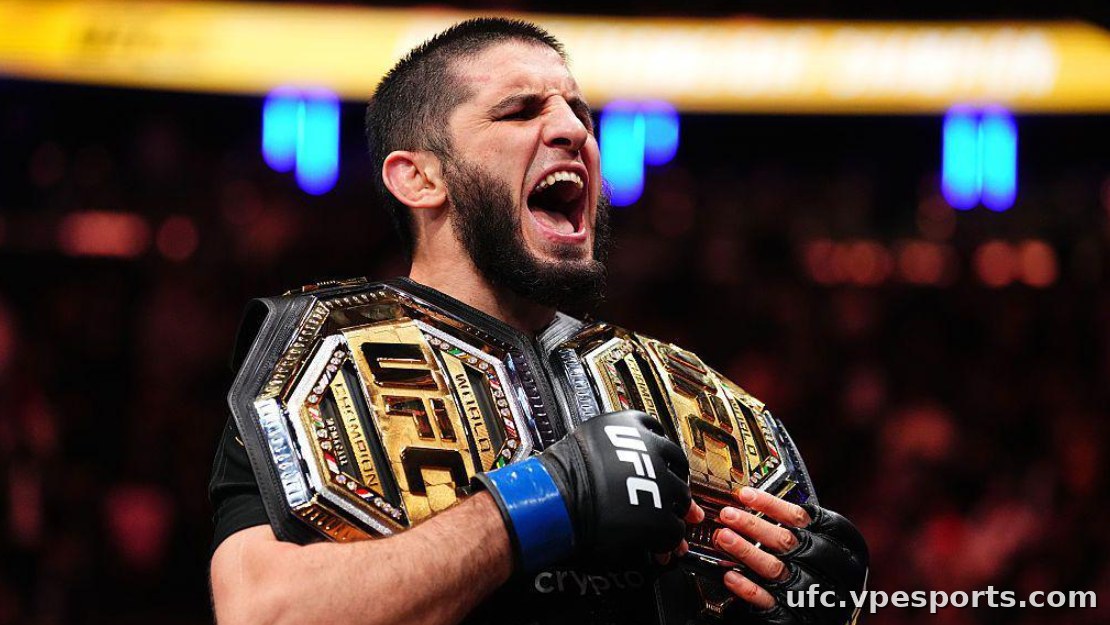
Islam Makhachev’s career makes more sense when you start far away from the belt. Not with title defenses. Not with pound-for-pound talk. Not even with the UFC. It starts in Dagestan, in the kind of place that shapes fighters before they even understand they are becoming fighters. Tough mountains, tough people, tough routines. Life there does not hand out softness by accident. Boys grow up around wrestling rooms, discipline, older men who do not waste words, and the feeling that if you want respect, you had better be ready to earn it again tomorrow even if you already earned it today.
That world sits all over Makhachev’s career. You can see it in the way he fights. You can hear it in the way he talks. He never built himself as a loud star first. He built himself like a serious athlete from a serious place. He was born in Makhachkala and raised in an environment where combat sports were not fantasy. They were real work. Real culture. Real pride. In Dagestan, boys grow up with wrestling and combat sambo close to the surface of everyday life. Makhachev did too.
He was not raised as some glamorous future champion. He was raised in the kind of setting where training becomes part of character. He grew up around hard rooms and hard expectations. He trained under Abdulmanap Nurmagomedov, the same mind who shaped Khabib. That matters, but it should not be used as a shortcut. Islam did not become great because he stood next to greatness. He became great because he survived that system and kept improving inside it. There is a difference.
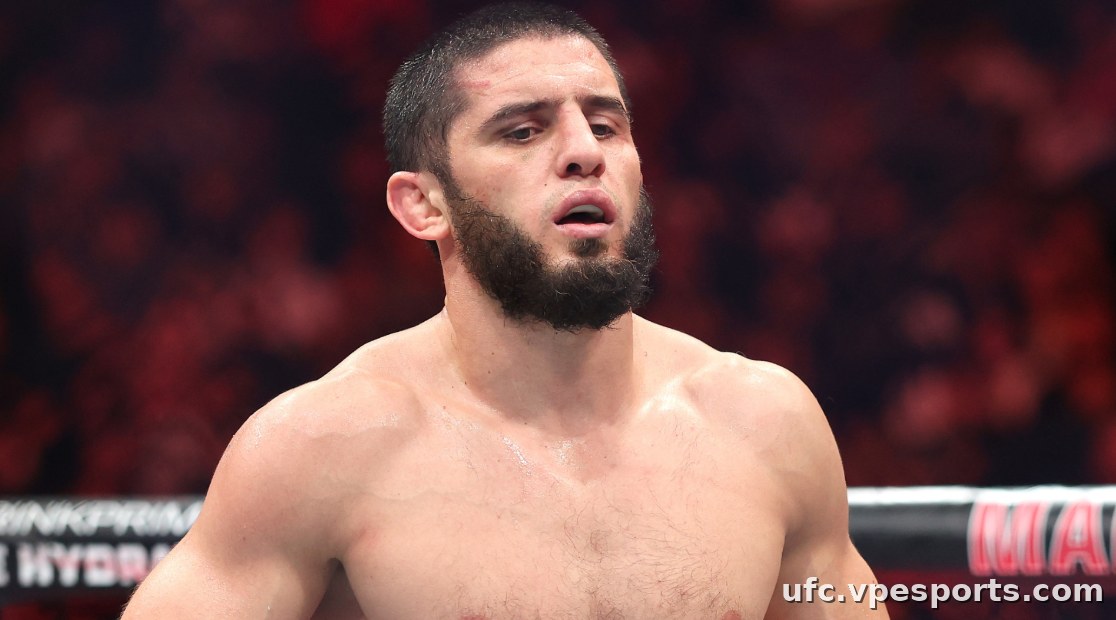
People outside that world often reduce Dagestan fighters to one thing. Wrestling. Pressure. Control. That is lazy. Makhachev’s game was never that small. Yes, the grappling base was elite. Yes, the sambo instincts were there from the beginning. But even early, there was something cleaner in the way he moved. He was balanced. He was patient. He could kick. He could counter. He could stand in front of a man without looking rushed. He did not fight like someone who needed chaos to feel alive. He fought like someone who wanted the fight to become small enough that only his decisions still mattered.
Islam Makhachev lightweight rise
Before the UFC, he built himself through M-1 and the regional scene the hard way. He won. He kept winning. He made the sport feel controlled around him. You could already see why people inside MMA took him seriously. He was not only another prospect from the Nurmagomedov line. He was his own kind of problem. More compact than Khabib in some ways. Less emotionally visible. Colder. His game did not always scream at you. It tightened around you.
When he reached the UFC, the expectations were there, but not yet the certainty. That part had to be earned. His debut win over Leo Kuntz looked like a normal first step. Then came Adriano Martins, and with him came the first real shock of Makhachev’s UFC life. Martins knocked him out in the first round. For a man who would later become almost impossible to put in bad positions, that loss matters a lot. It showed that the career was not born perfect. It also gave him something that many long-reigning champions need early, whether they want it or not. Pain. Perspective. Proof that one wrong read can wreck everything.
Some fighters spend years trying to recover from a knockout like that, especially when it happens before the public has even settled on who they are. Makhachev did not spiral. He rebuilt. That says a lot about him. He did not react like a fighter who needed protection. He reacted like a fighter who had just been reminded that the sport punishes overconfidence and technical laziness faster than talent can save you. He came back sharper.
After the Martins loss, the run that followed became one of the most serious climbs the lightweight division has seen. Chris Wade. Nik Lentz. Gleison Tibau. Kajan Johnson. Arman Tsarukyan. Davi Ramos. Drew Dober. Thiago Moises. Dan Hooker. Bobby Green. It is a strong list, and what stands out now is how complete it looks. Different shapes. Different threats. Different moments of his career. He kept solving all of them.
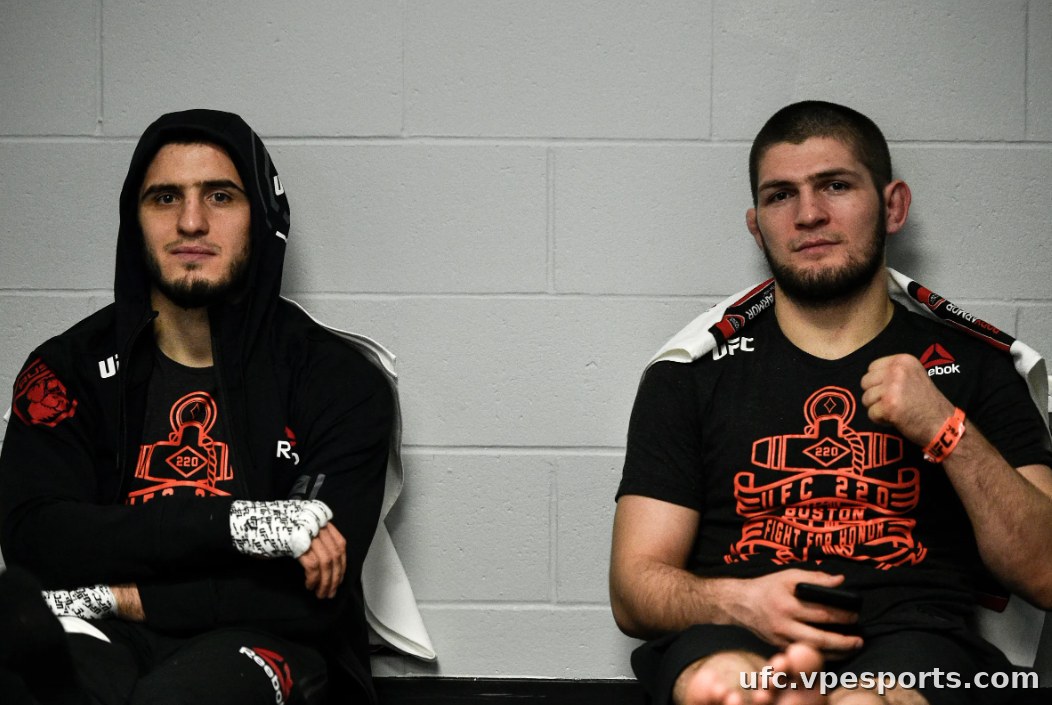
The Arman Tsarukyan fight deserves special attention. At the time, it looked like a hard win over a debuting opponent. Later it became much bigger because Tsarukyan turned into one of the best lightweights in the sport. Go back and watch that fight now and you see something important about Makhachev. He was already the real thing. He was not coasting on hype or on the shadow of Khabib. He was already doing hard work against a future elite fighter and winning the kinds of exchanges that matter when the level rises.
By the time he submitted Drew Dober and then tore through Dan Hooker with a kimura in the first round, the picture was changing fast. Lightweight is not a division where people hand out status because your record looks neat. It is too deep for that. You have to force people to see you. Makhachev did that by becoming impossible to dismiss. He was not always the loudest man in the room, but his style was now too complete and too suffocating to pretend he was just another contender circling the top ten.
Then came Bobby Green on short notice. Makhachev ran through him, and that was the last step before the title. The Charles Oliveira fight at UFC 280 was the moment everything went from “future champion” talk to fact. Oliveira was dangerous, chaotic, already beloved by fans, and carrying the kind of confidence that had broken a long list of elite names. Makhachev beat him with shocking calm. He hurt him on the feet. He made him react. Then he submitted him. That fight mattered because it showed the full shape of who he had become. Not just a grappler. Not just a pressure fighter. A champion-level mixed martial artist who could make an all-time dangerous lightweight feel behind the pace.
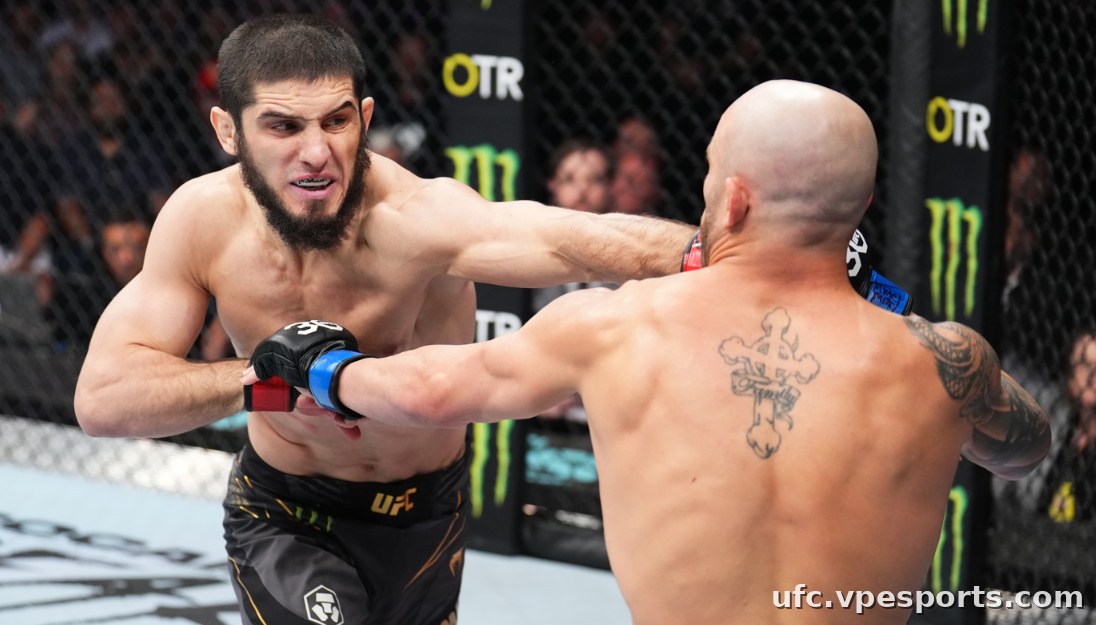
Once he had the belt, the title run gave his career real weight. Alexander Volkanovski was first, and that fight told people more than a quick finish ever could have. Volkanovski was small for the division but brilliant, tough and clever enough to make almost anybody uncomfortable. Makhachev won a hard, competitive fight. The rematch ended much faster. He knocked Volkanovski out with a head kick and punches. Those two fights together helped explain his championship form. He could win the deep technical fight. He could also close the door violently when the opening appeared.
Dustin Poirier was another important test. Poirier is the kind of opponent who forces a champion to stay honest. Veteran. Dangerous. Durable. Popular. The kind of man fans trust in big fights because he has lived too many of them to be easily intimidated. Makhachev submitted him late. That finish mattered because it did not come easy. It came after real work, real tension and the kind of long fight where champions show who they still are when they cannot control every minute comfortably.
That is why his lightweight chapter holds up. He did not only inherit a throne after Khabib. He built his own championship identity. People always wanted to compare them because the connection was too obvious. Same region. Same camp. Same coach. Same wrestling-first assumptions from the outside. But Islam’s title run proved he was not just a continuation. He had his own style. More kicking. More clean long-range striking. More willingness to let the fight breathe before he tightened it. Less emotional volume. Different rhythm. Same seriousness.
Makhachev after Khabib
This was one of the hardest things he had to deal with, and it says a lot about the man that he eventually handled it so well. For years, the easiest thing for the public to do was to see him as “Khabib’s teammate” or “the next one from that gym.” That kind of label can help early, but later it can become a cage of its own. If you win, people say the system made you. If you struggle, people say you were never that level. Makhachev spent years fighting out of that shadow. Not by speeches. By rounds. By performances. By building enough of his own work that eventually the comparison stopped feeling like a burden and started feeling like history.
The death of Abdulmanap Nurmagomedov made that whole story even heavier. That was not just a coaching loss. That was the loss of one of the most important father figures and sporting minds in that whole world. Makhachev had to keep building through that pain while also carrying the expectations of a team and a region that had already lost one guiding center. Fighters talk a lot about fighting for someone. With him, that has never sounded fake. You can feel the seriousness of it.
That is why his championships never felt light. He was not only fighting for belts or rankings. He was carrying a school, a way of training, and a long line of hard Dagestani expectations into the biggest rooms in the sport. There is pressure in that. Not social-media pressure. Real pressure. The kind that sits with you in camp when no one is watching.
By the time the lightweight reign was fully built, Makhachev had already answered most of the obvious questions. Could he beat elite names on the feet? Yes. Could he win hard 25-minute fights? Yes. Could he finish champions? Yes. Could he carry the belt without the ghost of Khabib swallowing the story? Yes. That last part may be the most important. He had become fully himself.
| Career stage | What it changed |
|---|---|
| Dagestan and combat sambo years | Built his discipline, grappling base and the calm style that shaped everything later |
| Adriano Martins loss | Gave him the first harsh lesson of his UFC career and forced real growth |
| Lightweight rise | Turned him from respected prospect into the hardest contender in the division |
| Charles Oliveira win | Made him UFC lightweight champion and ended all talk that he was only potential |
| Welterweight move | Opened the second championship chapter and changed the scale of his legacy |
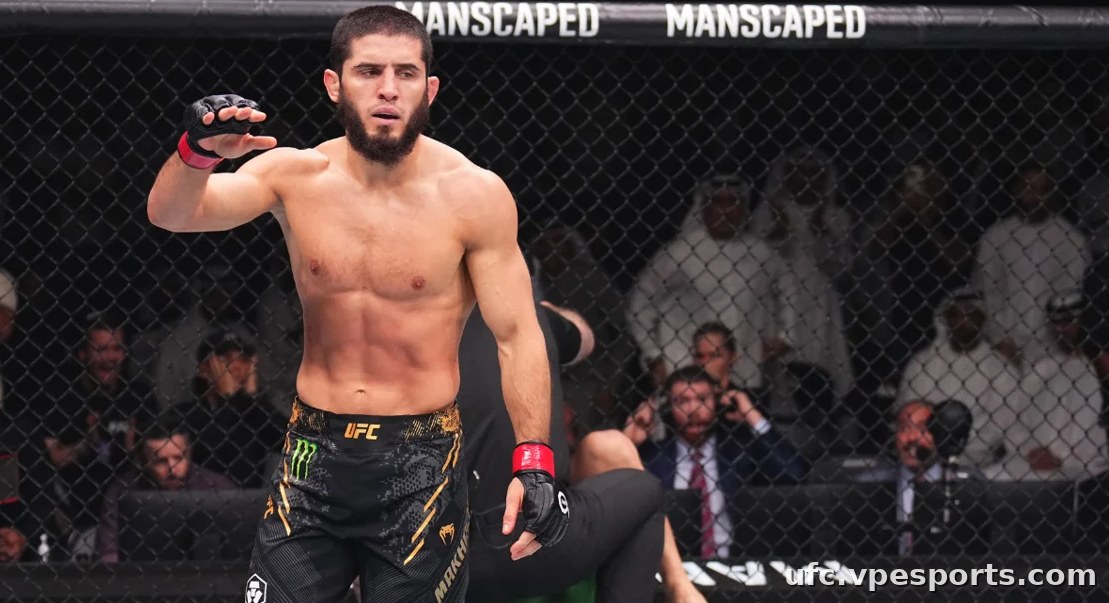
Then came the bigger move. He went up to welterweight. That is the kind of decision that can make a great career look even greater or suddenly look too ambitious. At UFC 322, he beat Jack Della Maddalena and became champion at 170. That matters because moving up is easy to announce and hard to survive. Welterweight is not forgiving. Bigger men. More power. More resistance in the clinch. More risk in every scramble. Makhachev won anyway, and that changed how people had to place him historically.
Once you become champion in two divisions, the conversation changes. It gets bigger whether you want it to or not. People stop talking only about whether you were the best man in one class at one time. They start talking about legacy, era, pound-for-pound value, and how high your name should sit when the sport starts arranging its strongest careers. Makhachev earned that kind of conversation.
Islam Makhachev after the second belt
What makes his career interesting now is that it still feels active, not archived. He is not one of those fighters people discuss only in past tense. The work is still moving. The title is still there. The next defense still matters. That gives his story a different energy from older career pieces. There is still room for new pain, new victories, new arguments, new proof. That is exciting, but it also makes honesty important. He is not a myth who finished everything perfectly and left. He is a still-living championship problem, which means the story can still change shape.
There are also the money questions now, because championship years always drag that conversation in behind them. Nobody outside his business circle knows the exact number. UFC money is too hidden for that. But the broad picture is clear enough. Public estimates now usually place him around six million dollars. That may be a little high or a little low. What matters more is the direction. He came from a hard life, built himself through combat sports, and turned all of that into one of the most financially successful runs any fighter from his world has ever had. Big title fights, sponsorships, visibility and champion status changed his life for real. That part is undeniable even if the exact amount stays private.
- He came from a hard Dagestani fighting culture and never lost that seriousness.
- The Martins knockout could have broken his rise, but instead it sharpened it.
- His lightweight title run proved he was his own champion, not just Khabib’s successor.
- Winning the welterweight belt made the career much bigger than one division.
The best way to understand Islam Makhachev’s career is probably this: he did not become great in one flash. He became hard to deny over time. He built himself through discipline, loss, repetition, major wins and championship pressure. He came from a place that produces serious fighters and then proved he was one of the most serious of them all. Some champions burn bright and wild. Makhachev built something colder than that. More controlled. More durable. More complete.
That is why his career already feels important even while it is still going. Not because it is clean. Not because it has no setbacks. Because it has the full shape a great fighting life usually needs. Hard beginnings. A painful lesson. A long climb. A title. A reign. A shadow to step out of. A bigger belt. And a sense that even after all that, he still walks into the room like the work is not finished yet.
Fight Talk
Share your take on this story
Start the Conversation
Be the first to share your take. Discuss the fight, reactions, and predictions with other fans.