

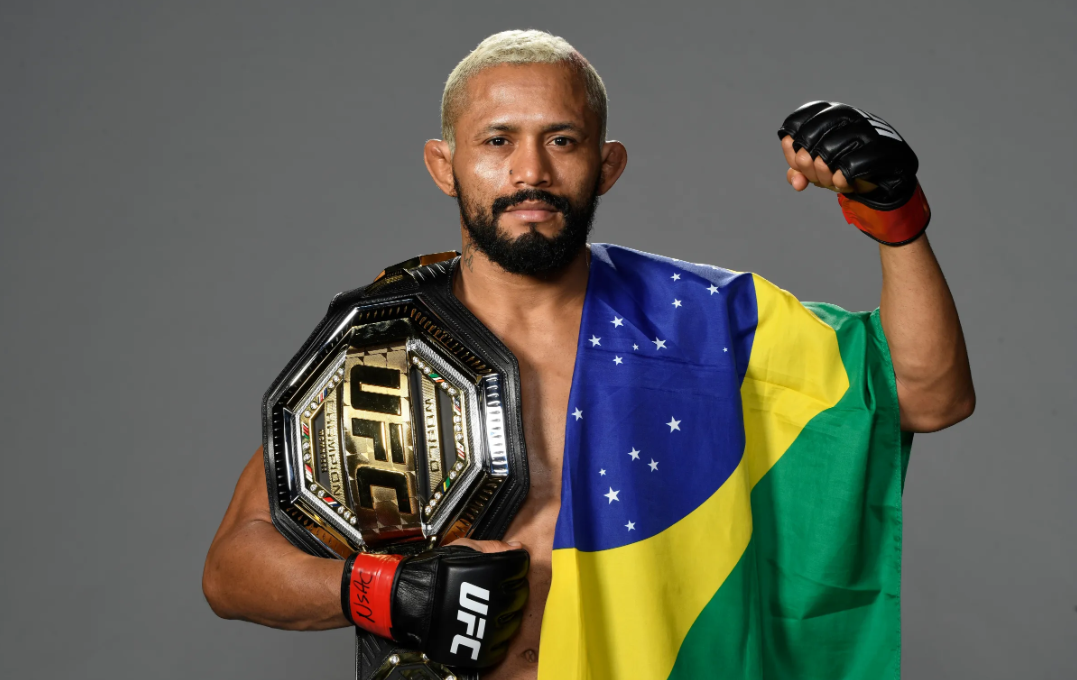
Deiveson Figueiredo never looked like a fighter built in comfort. Even before the belts, before the title fights, before the nights when the whole flyweight division started orbiting around his name, there was something rough in the way his career moved. He came out of Soure, on Marajó Island in Brazil, far from the polished image people like to attach to champions after they make it. The early life was work first, not spotlight first. He grew up around a hard environment, helped his family, did physical labor, and carried that look of a man who understood from the beginning that if fighting was going to change anything, it would only happen through years of pressure and stubbornness.
That background matters because you can still see it in the way he built himself as a professional. Figueiredo was never the kind of flyweight who felt manufactured for the division. He looked too dense, too mean, too heavy in the hands for the old idea people had of lighter weight classes. When a lot of fans still heard “flyweight” and imagined speed without menace, he showed up with a very different picture. Thick frame. Real power. Hard low kicks. A strong clinch. Tight guillotine threats. Enough physicality to make even good opponents look like they were being dragged into a fight they did not really want.
And he did not arrive in MMA as a clean, obvious prodigy. He had to find his way into the sport through a life that was already asking a lot from him. He worked as a bricklayer and a hairdresser before the bigger money came. Those details matter because they explain some of the hunger in his career. This was not a man floating through combat sports waiting for someone to recognize a gift. This was a man trying to turn fighting into a road out, while still living in the part of life where every missed step costs more than pride.
Once he committed fully, the climb started to look serious quickly. He built wins on the regional scene, picked up a reputation in Jungle Fight, and carried that combination of violence and confidence that usually forces a promotion to pay attention whether it fully trusts the fighter yet or not. The style was never hard to see. Figueiredo wanted to hurt people. He was not trying to steal rounds with clean little touches. He was trying to make the weight class feel heavier than it was supposed to. That made him interesting right away.
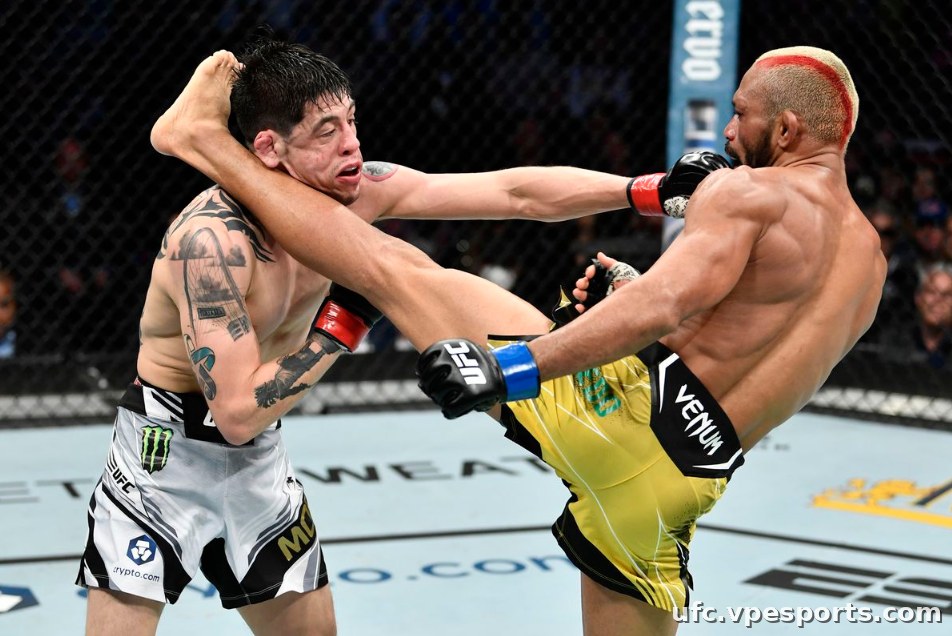
When he got to the UFC, he did not enter as the finished article people know now. But the shape was already there. He had the body of someone who looked like he cut too much to get down to flyweight, the mindset of someone who believed every exchange could become a finish, and the kind of physical confidence that can make a fighter dangerous even before the technical picture becomes complete. In the early UFC stretch, that was enough to get people talking. What made the career bigger later was how much more rounded and battle-tested he became once the division started truly pushing back.
The first real warning shot came against Joseph Morales. Figueiredo ran through him with the kind of violence that immediately made people reconsider what a top flyweight could look like. Then came setbacks. Jussier Formiga beat him and reminded everyone of the problem that follows raw physical talent at the elite level: once you meet men who do not panic, the details start deciding everything. That loss was good for his career in a harsh way. It forced him to sharpen the discipline around the danger. He could not only trust the power anymore. He had to become harder to read, harder to out-position and harder to cool off over three rounds.
He did exactly that. John Moraga. Alexandre Pantoja. Tim Elliott. Joseph Benavidez. Different names, different problems, but the same broad sense that Figueiredo was getting more complete without losing the violence that made him special in the first place. And the Benavidez story is one of the key places where his life and his career collide in a particularly brutal way. The first fight was supposed to crown a new UFC flyweight champion. Figueiredo won, but because he missed weight, he could not take the belt. That is one of the ugliest nights a fighter can live through. You win the fight, you stop a respected veteran, and still leave without the full reward because your own body and your own preparation betrayed the moment.
Deiveson Figueiredo flyweight title run
That first Benavidez fight could have become a scar. For a lot of fighters it would have. Missing weight in a title bout is the kind of thing that sticks to your name and makes people question your discipline as much as your talent. Figueiredo had to carry that. He had to hear the right criticism and the lazy criticism at the same time. Then he had to go back in for the rematch and make the story right. He did. He finished Benavidez again and this time left with the undisputed UFC flyweight title. That mattered far beyond the belt itself. He had turned one of the most frustrating nights of his career into proof that he could survive his own mistakes and still stand on top of the division. He also became the first Brazilian to win the UFC flyweight title, which made the moment even bigger back home.
Then came the stretch that defines how people will always talk about him: Brandon Moreno. One fight would have been enough to make both men central figures in the history of the division. Four fights made it impossible to separate their names from the era. The first one ended in a majority draw, and even that result said a lot. Figueiredo had moments of authority and violence. Moreno had pace, toughness and a refusal to be overawed. The division suddenly had something it had been missing. A true rivalry where both men looked like champions even while only one officially held the belt.
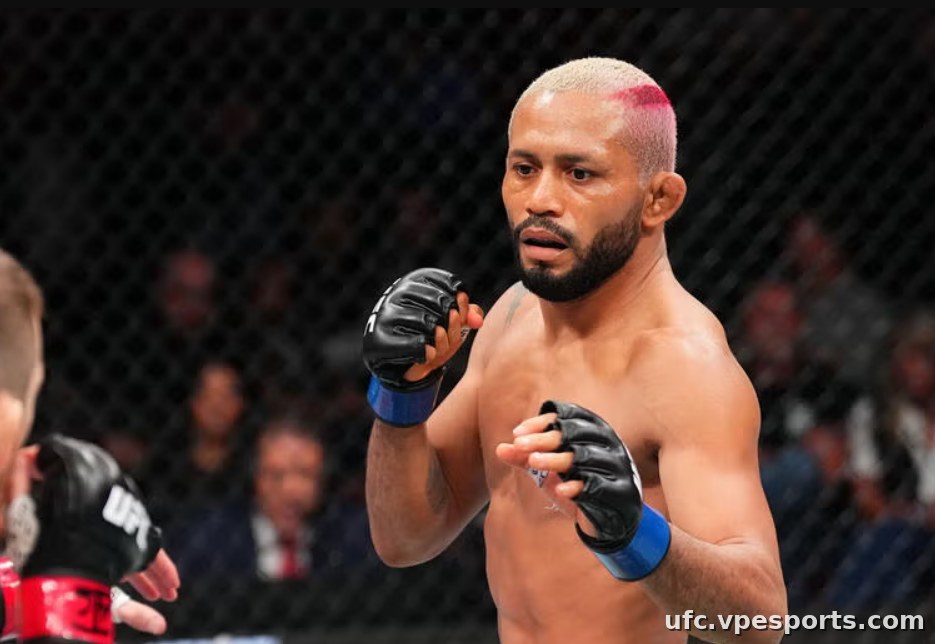
The second fight flipped the story hard. Moreno submitted Figueiredo and took the title. That was a painful loss because it made the first rivalry chapter feel incomplete in the wrong direction. Figueiredo was not losing to some fake fairytale. Moreno was real, composed and getting better at exactly the right time. But for Figueiredo it still meant looking at the division from below again after fighting so hard to reach the top. The only real response there was to keep going, and he did.
The third fight is one of the most important nights of his career. He beat Moreno and took the belt back. Not by a miracle finish. Not by some random swing. He regained the title through patience, timing and just enough control to make the razor-close story lean back his way. That second title reign matters because it proved he was more than a one-run champion. He could lose the crown to the best possible rival and still build himself back into the man standing at the front.
Then came the fourth fight, and Moreno won again. That is the part of the rivalry that says the most about both men. Figueiredo did not fail because he was never great enough. He lost because the division had another great fighter in front of him at the exact same time. Rivalries like that can feel cruel, because they keep your best years tied to the one man who understands your career almost as intimately as you do. Every adjustment he makes changes your own future. Every close round carries years of accumulated memory. Figueiredo and Moreno lived exactly that kind of rivalry.
Those fights also changed the way people saw Figueiredo technically. Early in the title run, he was often viewed first as a destroyer with championship-level physicality. The Moreno series forced everyone to see more of the full picture. He had to pace himself, think through the range, solve a man who did not break under pressure and keep fighting through the kind of long rivalry stress that eats simpler champions alive. He did not win all four fights, but he left them looking like one of the defining flyweights the UFC has ever had. That matters. Some champions become historically important because they dominate everyone cleanly. Others become important because one rivalry drags every layer of them into the open. Figueiredo belongs in the second type as much as the first.
And there was another problem hanging over all of this the whole time. The weight. Figueiredo at flyweight always looked like a man carrying too much size for the division. When it worked, it gave him a brutal physical edge. When it did not, it turned fight week into its own enemy. Weight cuts are not just numbers. They change energy, decision-making, pace, and the way a fighter’s best tools hold up once the third round begins. Figueiredo lived on that edge for years. The belt made it worth it. The rivalry made it worth it. Eventually, the body started asking a harder question.
| Flyweight chapter | What it meant |
|---|---|
| Benavidez rematch win | Finally turned the title moment into a clean championship after the missed-weight disaster |
| Moreno 1 | Started a rivalry that redefined the division |
| Moreno 2 | Lost the belt and saw the division tilt away from him |
| Moreno 3 | Took the title back and proved he was more than a one-run champion |
| Moreno 4 | Closed the rivalry with another loss but secured his place among the best flyweights of his era |
That flyweight period holds the strongest and hardest parts of his career at once. It has the belt, the violence, the rivalry, the redemption and the frustration. It also has the emotional truth of who he was as a champion. Figueiredo never felt like a smooth corporate titleholder. He felt dangerous, a little volatile, always carrying the possibility that the fight could turn ugly in a second. Even when he lost, that danger never really left him. Opponents had to respect the guillotine, the counters, the leg kicks, the bursts of power and the simple fact that flyweights are not supposed to hit the way he does.
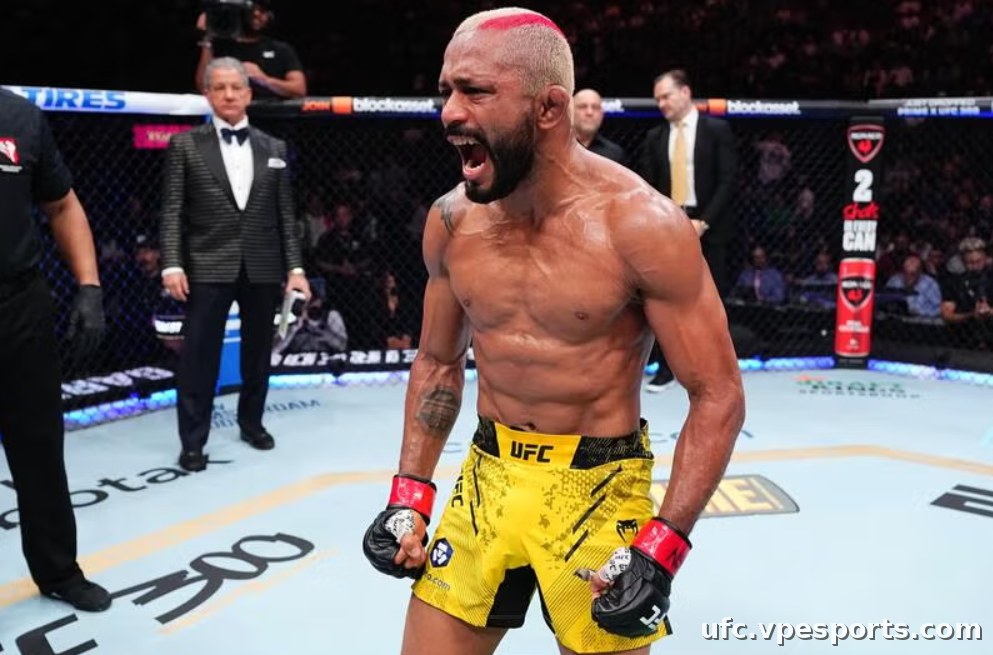
Figueiredo vs Moreno
If one part of his career is going to be replayed forever, it is the Moreno rivalry. Four fights in a weight class where long rivalries rarely stay this meaningful for this long. Their names got locked together because they were so different and yet so perfectly matched for the period they shared. Moreno brought youth, output, resilience and a kind of good-natured stubbornness that made him impossible to intimidate. Figueiredo brought menace, compact violence, veteran hardness and the champion’s certainty that if one clean opening appeared, the whole fight could collapse in his favor.
The first fight felt like a discovery. The second felt like a shift. The third felt like a recovery. The fourth felt like the final hard truth of the rivalry. For Figueiredo, that whole series was both a gift and a burden. It gave him the fights that made his championship years unforgettable. It also kept the belt tied to the one opponent who could drag him into the most exhausting form of proof. Not a quick defense, not a clean title reign against different challengers, but the same elite man over and over until the division itself started feeling built around the question of which one of them was a little bit better on the night.
That is why Figueiredo’s legacy at 125 holds up so well even without a long uninterrupted reign. He was never a placeholder champion. He was a central figure in one of the most memorable stretches the division has had. He brought brutality to flyweight without making it stupid. He brought rivalry without becoming repetitive. He brought championship pressure without losing the roughness that made him feel dangerous before he ever held a belt. That is not easy to do in lighter weights, where styles can flatten out and contenders often get remembered more for being busy than for being unforgettable. Figueiredo was unforgettable.
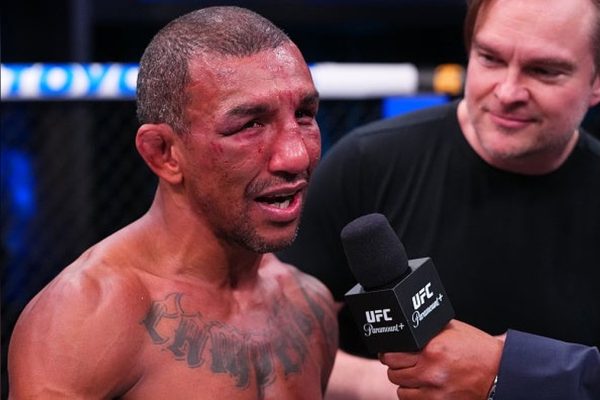
Eventually, though, the division and the scale of his body pulled him toward bantamweight. That move could have easily become the sad final chapter of a former champion arriving too old, too worn and too diminished to mean much in a bigger division. Instead, it revived him. The first sign came against Rob Font. Figueiredo won and looked like a man who had been allowed to breathe again. There was less visible strain, less sense of him dragging himself to the limit before the fight even started. The speed held up. The strength translated. The new chapter suddenly looked real.
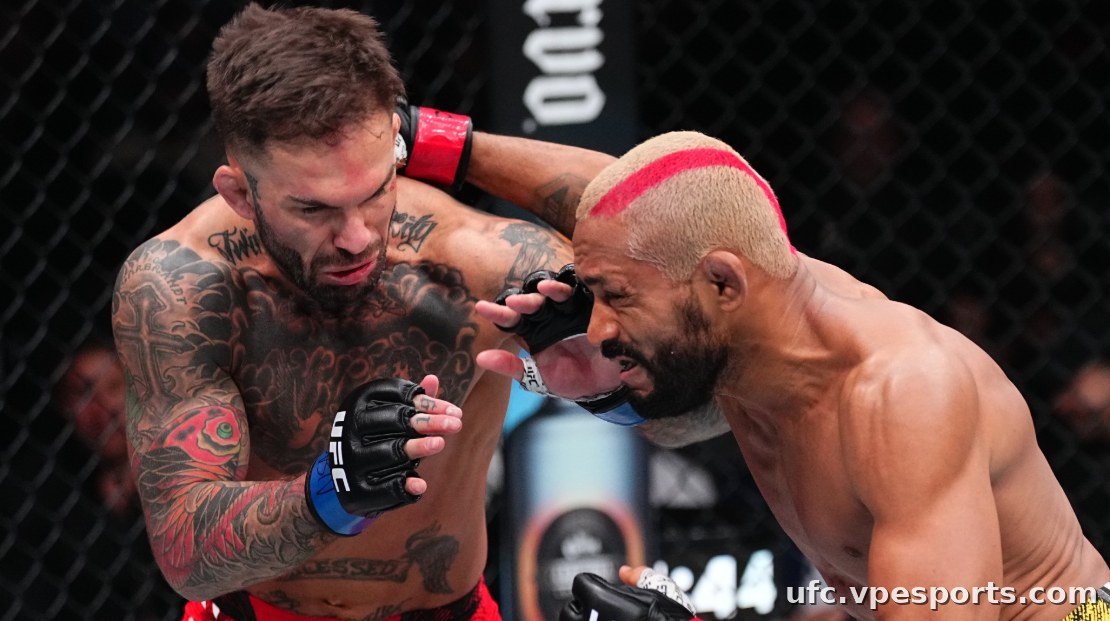
Deiveson Figueiredo at bantamweight
That move up changed the tone around his career immediately. He was no longer “the former flyweight champion trying to see if he had anything left.” He started looking like a real bantamweight problem. Cody Garbrandt found that out at UFC 300 when Figueiredo submitted him. Then came Marlon Vera, another significant name, and Figueiredo beat him too. Those wins mattered because they turned the move into more than a curiosity. He was not just surviving in a new class. He was taking names that still mattered in it.
The bantamweight run also sharpened the sense of what his whole career had been fighting against at flyweight. At 135, Figueiredo looked more natural. The frame made more sense. The rhythm looked less taxed. He still had the same old edge in the exchanges, but there was less sense that the body was already fighting a second opponent before the cage door shut. That does not automatically make the division easier. Bantamweight is deeper and faster in different ways. But it did make him easier to trust physically from fight week into fight night.
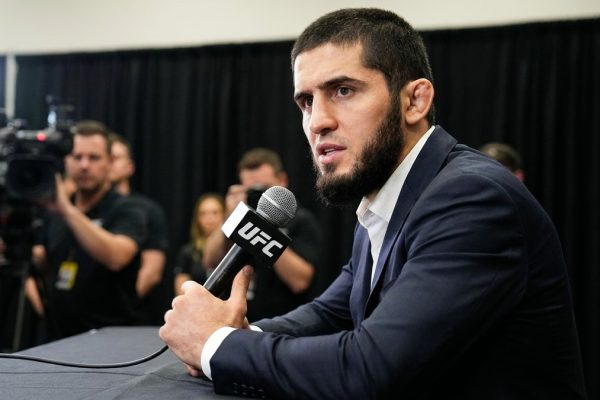
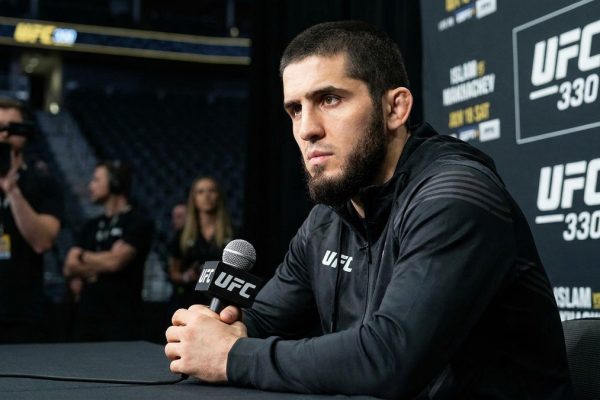
There were still hard lessons waiting. Petr Yan beat him. Cory Sandhagen stopped him after a knee injury. Umar Nurmagomedov beat him after a rough fight week that also included a miss on the scale. Those losses are part of the truth too. Figueiredo’s career has never been built on avoiding difficult rooms. He keeps walking into them. And every time he does, the questions around him become more honest. How much does the old explosiveness still matter at 135? Can his craft and experience keep carrying him against bigger elite men? Is the bantamweight version of Figueiredo a late-career surge or simply one last dangerous stretch before the top of another division grows too large?
Those are hard questions, but they do not shrink what the move itself accomplished. It gave his career a second act that plenty of former flyweight champions never find. He became relevant all over again. He forced a new set of opponents to deal with his style. He stopped being a man whose best years were only tied to Moreno and the belt at 125. Now he had a second résumé building higher up, and that broadened the whole shape of the career.
- He rose from a hard life in northern Brazil and built himself through work before fame came.
- He became a two-time UFC flyweight champion and the first Brazilian to hold that title.
- The four-fight rivalry with Brandon Moreno defined the toughest and most important years of his prime.
- The move to bantamweight gave him a second serious chapter instead of a slow fade from the top.
There is something very human about the way his career reads now as a whole. It is not neat. It is not the clean rise of a champion who wins the belt, beats everyone and leaves before the hard years start. It has weight misses, rivalry pain, title recoveries, body changes, divisional shifts and the kind of repeated recalculation only stubborn fighters are willing to do. That makes it more real. Figueiredo’s story is not a simple glory run. It is a fighter’s life. Messy. Physical. Proud. Full of violence and adjustment.
That is why his place in UFC history remains strong even if the later chapters continue to change. At flyweight he helped redefine what the division could look like. At bantamweight he proved he was not finished once the title years ended. Across both divisions, he carried the same basic quality with him. Men had to feel him. They had to respect the power, the front-foot pressure, the sudden submission danger and the simple fact that he never entered the cage looking interested in a safe technical evening.
When people remember Deiveson Figueiredo, they will remember the belts, the Moreno rivalry, the missed-weight controversy, the return to the throne, and the second life at bantamweight. They should also remember the broader picture. A man from hard circumstances. A fighter who worked ordinary jobs before the sport paid him back. A champion who never looked comfortable in comfort. A smaller-weight fighter who brought a larger-weight kind of menace into the room. That is why the career stays interesting. He never felt like just another good fighter moving through a division. He always felt like trouble.
Fight Talk
Share your take on this story
Start the Conversation
Be the first to share your take. Discuss the fight, reactions, and predictions with other fans.