

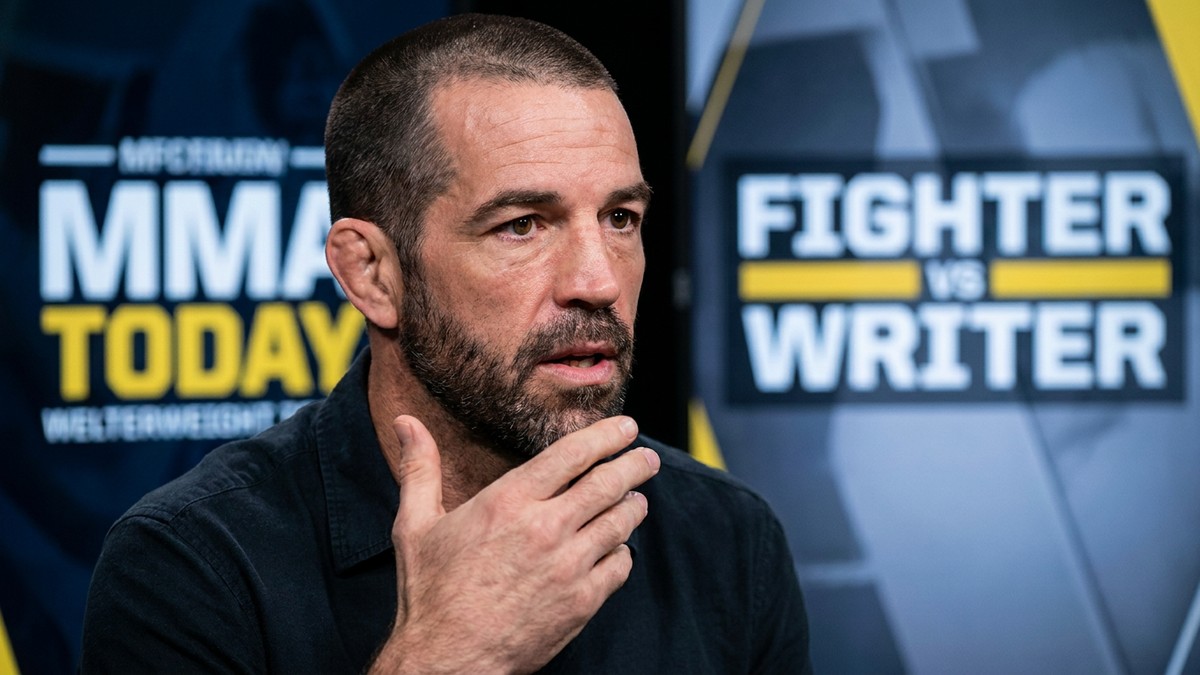
Matt Brown sees value in the merger between Most Valuable Promotions and the PFL, but the retired UFC welterweight does not believe the new combat sports company is positioned to overtake the UFC. Brown addressed the plan for MVP and PFL to combine while Jake Paul has spoken about aiming to take down the UFC as MMA’s leading organization. In Brown’s assessment, joining forces can be a constructive business move, yet that is different from becoming a realistic head-to-head challenger to the sport’s established leader.
Speaking on the latest episode of The Fighter vs. The Writer, Matt Brown said the companies are sensible to pool their resources and attempt to build something larger. He said the merger could reduce the distance between the new group and the UFC, but he still characterized it as a distant second place position. Brown’s objection is not to the idea of expansion itself. His concern is the stated target: he believes a campaign built around trying to outspend the UFC or secure better fighters is a contest the merged company cannot win. That distinction frames his wider argument about what a successful path could look like.
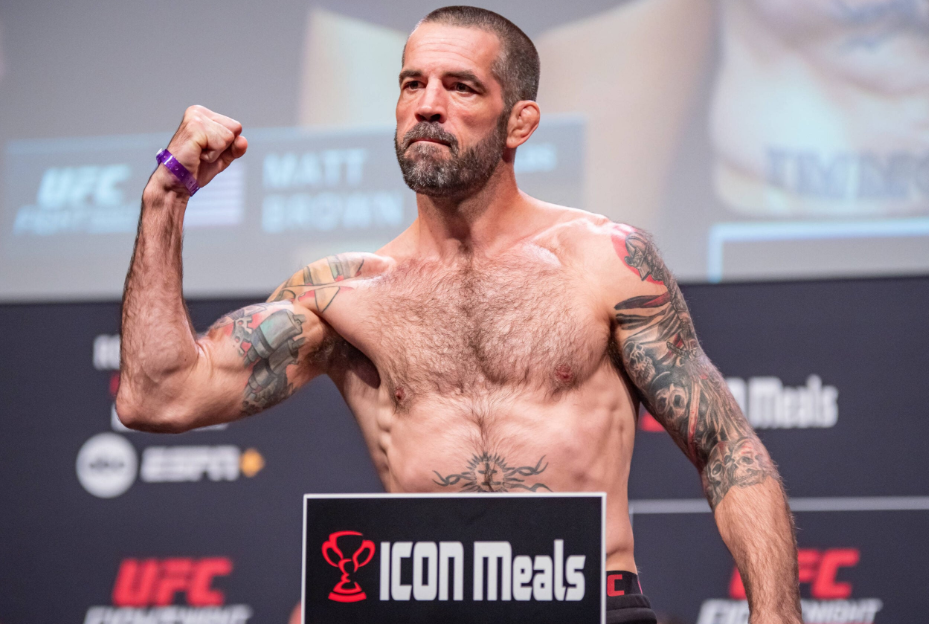
Matt Brown backs the merger, not the UFC chase
Matt Brown called the merger a smart move for both businesses and said that coming together could help them build something bigger. He also acknowledged a potential benefit for fighters if MVP’s involvement creates more opportunities, improves pay, or raises overall compensation standards in the industry. Those possibilities, in Brown’s view, make the deal worth watching even though he remains skeptical about its ability to transform the competitive order at the top of MMA. The hurdle Brown identified is the UFC’s existing business position. The source material describes the UFC as the biggest MMA promotion by a wide margin and notes its $7.7 billion broadcast deal with Paramount. Brown agreed with Dana White’s broad view that the UFC is operating on a scale that other combat sports promotions are not close to matching. For Brown, that financial foundation makes direct comparison especially difficult when the conversation turns to spending and talent acquisition.
Brown used blunt language to describe what he believes MVP, PFL and Jake Paul are attempting. He called it a “d*ck-swinging contest” with the UFC and said the new group has no chance if the goal is to outspend the market leader or acquire better fighters. His point was not that publicity has no value. Brown said Jake Paul will bring attention and promotion to the venture, and he described its strategy as interesting to follow. But he questioned whether MMA is the strongest card for the company to play when its public ambition is framed as a fight for supremacy with the UFC. Brown’s comments therefore separate promotional visibility from sustainable competitive leverage.
Brand recognition is central to Brown’s view
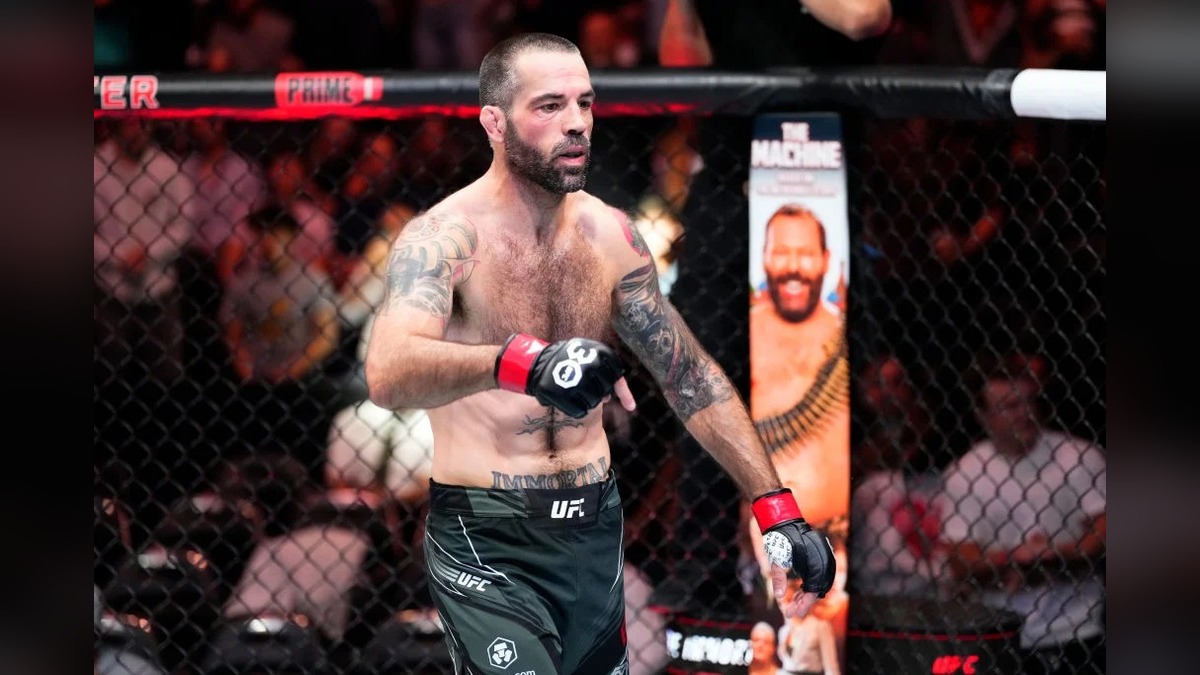
Matt Brown also pointed to the UFC’s brand as a major advantage that money alone may not erase. According to Brown, the promotion has spent more than 30 years becoming the biggest name in combat sports. He said that history carries weight with fighters, many of whom view a UFC title pursuit as the highest mark in the industry. That perception, Brown said, gives the UFC an advantage when free agents and prominent prospects weigh their options. Brown illustrated that mindset with an extreme hypothetical, saying that most fighters would choose the opportunity to face Jon Jones for $1,000 over a $50,000 fight against a PFL opponent. The example was not a report of an offered bout or contract; it was Brown’s way of explaining how strongly he believes athletes value the chance to test themselves against the most recognized competition. In his telling, the desire to fight the best is often more influential than a purely business-minded calculation. That is why Brown favors a different model for the merged company. He cited BKFC as an example of a promotion that carved out its own lane rather than presenting itself as a threat to the UFC. Brown noted that the UFC works with David Feldman and BKFC, using that relationship to show how a distinct combat sports identity can exist without a direct war for MMA’s top spot.
- Matt Brown said the MVP-PFL merger can be a smart way for the companies to combine resources and create additional opportunities for fighters.
- Matt Brown said trying to outspend the UFC or win a direct battle for its fighters and brand recognition is the wrong strategy.
| Brown’s focus | Supported detail |
|---|---|
| Potential upside of the merger | Brown said a combined MVP and PFL could build something bigger and potentially improve opportunities or pay for fighters. |
| Problem with direct competition | Brown said the UFC’s financial position, long-built brand and fighter appeal make a head-to-head challenge unrealistic. |
Matt Brown’s position is not a dismissal of the MVP-PFL merger as a business decision. He sees practical reasons for the companies to unite and believes Jake Paul’s involvement can generate publicity. His warning is aimed at the framing of the project as an attempt to take down the UFC. Brown believes the better route is to establish a separate lane, build value within it and avoid measuring success solely against a promotion he says remains far ahead.
Sources: MMA Fighting




Fight Talk
Share your take on this story
Start the Conversation
Be the first to share your take. Discuss the fight, reactions, and predictions with other fans.