

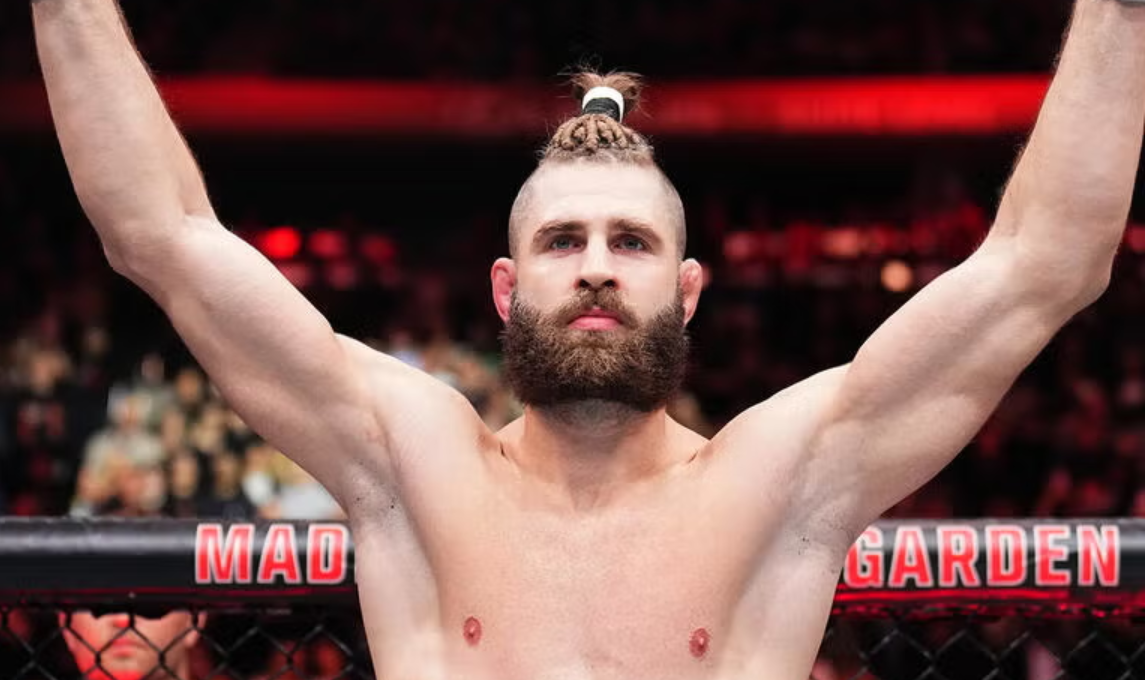
Jiri Prochazka is still trying to explain one of the strangest collapses of his recent UFC run, and his latest version cuts a lot closer to the real damage than the first one did.
Right after the loss at UFC 327, Prochazka caught heat for saying he showed “mercy” once Carlos Ulberg suffered a serious knee injury during their fight. That line did not land well, and it was always going to sound bad when replayed against the finish. Now Prochazka has come back with a different explanation. He says the moment Ulberg got hurt, his own focus dropped hard. Not a little. Not just enough to lose one exchange. He says he fell to roughly 40 or 50 percent of his normal performance level because he thought the fight was close to being stopped anyway. That is a brutal thing for a contender to admit, but it also makes far more sense than pretending this was some noble act gone wrong.
And that is why this story matters. The loss itself was already big because it changed the shape of the light heavyweight picture. Prochazka is not some fringe name trying to stay visible. He is a former champion who still carries real gravity in the division, and every result around him shifts the mood at 205. When a fighter like that says he mentally drifted in the middle of a live UFC fight because he believed the other man was too injured to continue, people are not just hearing an excuse. They are hearing how a top-level fight can go sideways in a few seconds when the read is wrong and the instincts do not snap back in time.
Prochazka admits he lost focus at the worst possible moment
What makes Prochazka’s explanation more believable this time is that it sounds less flattering. The earlier “mercy” line made it seem like he chose compassion and paid for it. This new version sounds messier and much more human. He says he believed the sequence had already crossed into stoppage territory, eased up mentally, and started treating the moment more like controlled work than a real fight still alive in front of him. In his own words, he was almost sparring. In a gym, that kind of lapse is annoying. In the octagon, against a dangerous light heavyweight who is still conscious and still swinging, it can wreck the whole night.
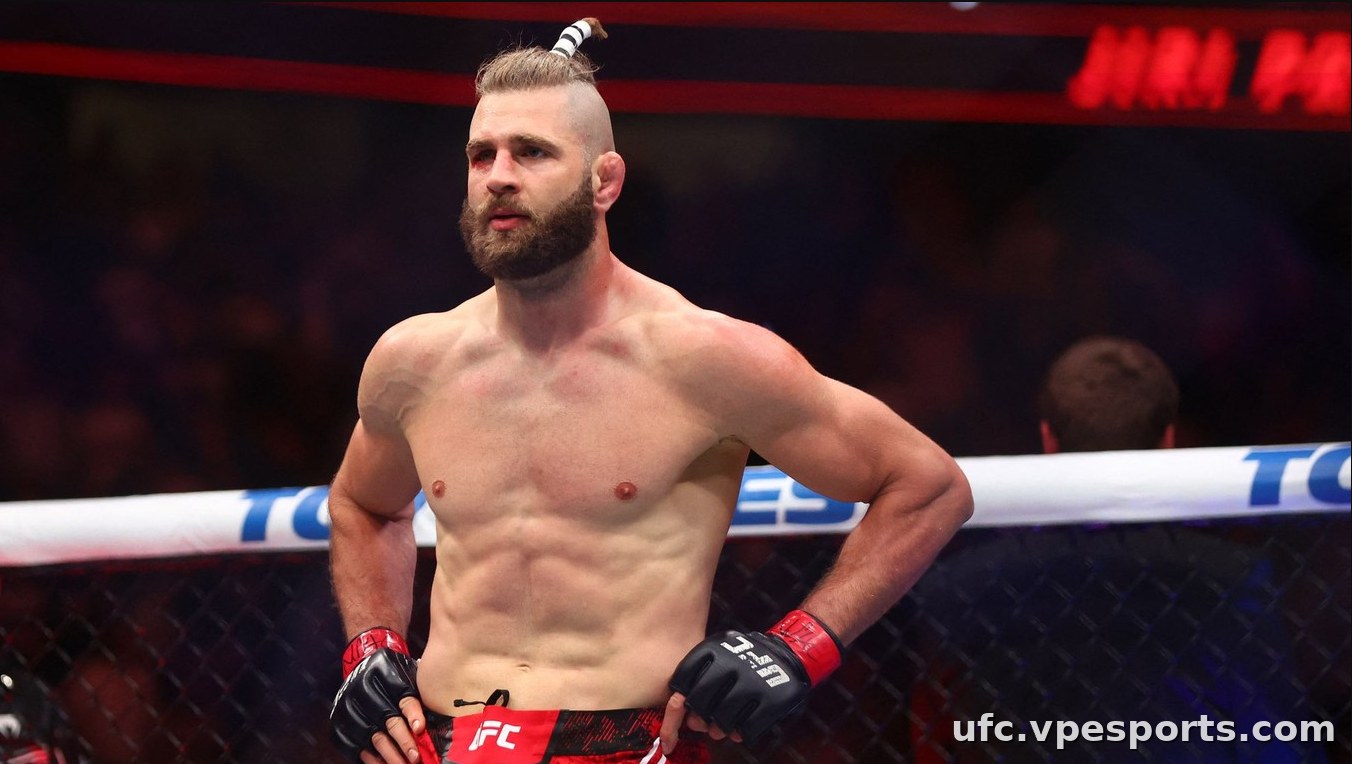
That single detail changes the story of the finish. It does not erase what Ulberg did, and it does not rescue Prochazka from the loss. But it does explain why the ending looked so strange for a fighter who usually lives in chaos better than almost anyone in the division. Prochazka has built his entire image on pressure, risk, improvisation and the ability to stay present in ugly moments. Seeing him mentally detach in the middle of a live exchange felt off even before he explained it. Now the picture is clearer. He thought the danger had passed. It had not. Ulberg saw the opening and closed the show.
| Key part of Prochazka’s explanation | What he said |
|---|---|
| Performance level after the injury sequence | He said he dropped to about 40 or 50 percent |
| What he believed in the moment | He thought the fight was close to being stopped |
| How he described his own mindset | He said he was treating it almost like sparring |
| What happened next | Ulberg capitalized and finished the fight |
There is another layer here, and it is not a small one. Prochazka is one of those fighters whose appeal comes from the sense that he can survive anything if the fight gets weird enough. He is not tidy, and that is part of why people watch him. But this was not wildness working for him. This was miscalculation, plain and simple. He read the moment wrong, took his foot off the gas at exactly the wrong time, and gave away a stretch of the fight that someone at his level cannot afford to donate. That is the kind of mistake coaches replay for weeks because it does not come from a lack of skill. It comes from a broken decision in real time.
The reaction around the sport was predictable. Other fighters mocked him, critics called the explanation soft, and the whole thing quickly turned into one of those stories where people choose a side before they even listen to the details. Prochazka, for his part, did not really lean into a long public back-and-forth. He brushed off some of the outside noise and admitted he made a mistake. That part matters too. He is not claiming robbery. He is not arguing the result should be overturned. He is saying he lost the mental thread, paid for it immediately, and now has to live with the consequences in a division where one bad night can throw months off your path.
- Prochazka no longer frames the key UFC 327 moment as “mercy.”
- He now says he mentally dropped to roughly half of his normal level.
- He believed Ulberg’s injury would lead to a stoppage.
- That pause gave Ulberg the chance to finish the fight.
From a divisional standpoint, this matters because the light heavyweight picture has no patience for self-inflicted setbacks. Prochazka is already talking like a man who believes he will get back to a title fight before Ulberg even returns from surgery, and that tells you he is not treating this as the start of a decline. He is treating it as a sharp, stupid, costly mistake inside one sequence. Confidence has never been his problem. The real issue is whether the UFC sees this as a quick detour or a sign that the title road at 205 is getting more crowded and less forgiving around him.
There is also something revealing in the timing of the comments. Prochazka is back home now, he has spoken about focusing on his newborn daughter, and he says serious discussions about the next fight will likely begin within about a month. That gives this whole explanation a different tone. This was not a cage-side emotional burst or an instant reaction with adrenaline still burning through it. This was the calmer version, the one that came after replaying the loss and living with the criticism. If this is where he landed after all that, then this is probably the explanation he actually believes.
And honestly, it makes the defeat more damaging, not less. Fans can forgive a clean loss to the better man on the night. What lingers longer is a loss that feels avoidable. Prochazka did not get dragged into a slow fight he never understood. He did not get broken down over five rounds by a better plan. He switched off in a live danger zone and paid instantly. That kind of defeat follows a fighter because the fix sounds simple until the tape rolls. Stay present. Finish the job. Do not assume anything. Easy to say. Harder to trust again when the memory of the mistake is now part of your last UFC appearance.
So this is where the story sits now. Jiri Prochazka says he was nowhere near himself after seeing Carlos Ulberg hurt, that his mind eased off when it should have tightened, and that the result came from that lapse more than anything else. Whether fans buy the full explanation or not, one thing is clear. He is no longer trying to make the moment sound noble. He is calling it what it looked like in the harshest possible light for a fighter of his caliber: a concentration failure at the worst possible time. In a division like this, that can cost more than one fight. It can cost momentum, leverage and months of ground in the title race before you even get the chance to repair it.
Fight Talk
Share your take on this story
Start the Conversation
Be the first to share your take. Discuss the fight, reactions, and predictions with other fans.