

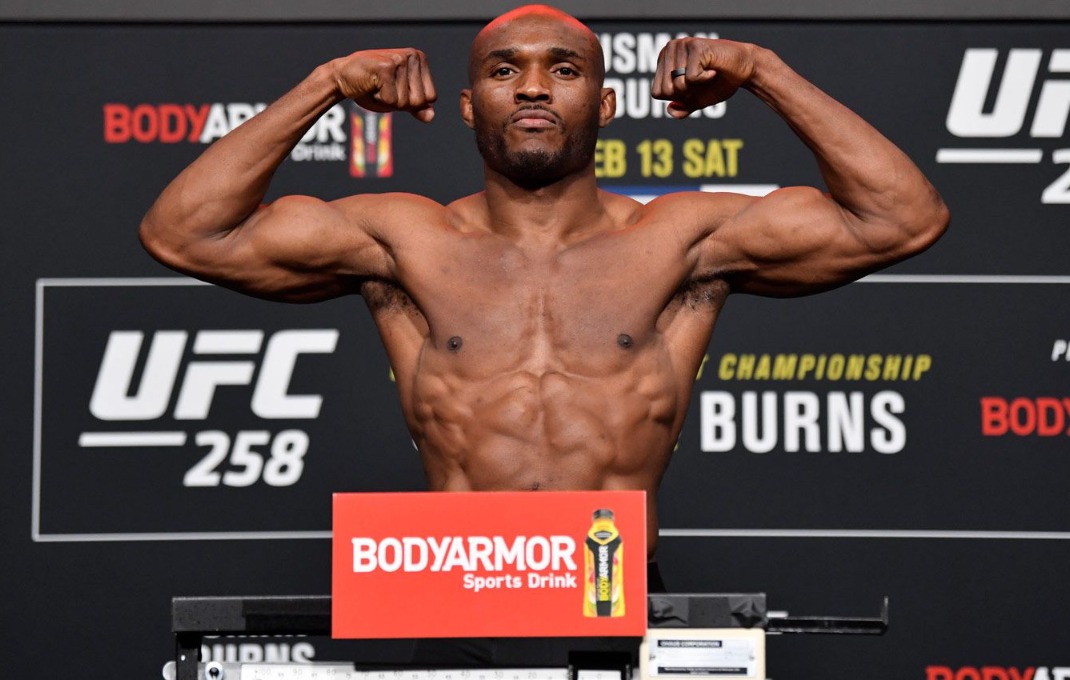
Kamaru Usman’s story does not start in bright gyms, title shots or big arenas. It starts much farther from all of that, in Nigeria, in a life that looked more practical than glamorous. He was born in Auchi. His father worked in the army and later as a pharmacist. His mother was a teacher. The family eventually moved to the United States when Kamaru was still a boy, and that kind of move changes a child even before sport does. New country. New language. New rules. New pressure. For a lot of kids that is just confusion. For someone like Usman it slowly became fuel.
He did not grow up like a future star from a sports movie. There was no easy spotlight around him. He had to settle into a new place, build himself in it, and figure out how to carry both the Nigerian part of his life and the American part without losing either. That matters because later, when he became champion, he never sounded like a man who forgot where the hard part started. He carried himself like someone who knew very well what struggle feels like before cameras show up.
Wrestling changed the direction of his life. That is the cleanest way to put it. Before MMA, before UFC, before title belts, there was wrestling, and wrestling gave him structure. It gave him rules that made sense. Work harder than the other guy. Stay disciplined longer than the other guy. Break his will before yours gets touched. Usman fit that world fast. He was strong, serious and built for repetition. You do not become the kind of wrestler he became by enjoying victory alone. You get there by surviving boring days, painful practices and a thousand moments when quitting would be easier than staying.
He kept rising. High school first. Then college. Then national level success. He became an NCAA Division II champion. That part matters because it explains the shape of his MMA career later. Usman was never just “a guy who can wrestle.” He came into fighting with one elite thing already solved in his life. He knew what it meant to grind through years for a title. He knew what high-level pressure felt like before he ever took a professional punch in a cage.
How the Career Began
At the same time, life around him was not perfectly clean. His father’s legal troubles and prison sentence became one of the hardest emotional pieces in his background. That is not a small detail in his story. It shaped the family. It shaped how Kamaru looked at responsibility, reputation and survival. Fighters often talk about using pain as motivation. With Usman, it felt less like a slogan and more like a fact. He carried real family weight into the sport. There was always something larger than one fight week sitting behind the work.
When he moved from wrestling into MMA, he did not arrive as a finished fighter. He arrived as a serious athlete with a great base and clear holes to fill. That is normal. What stood out was how quickly he understood what the sport needed from him. He did not try to become flashy overnight. He did not force himself into a striker’s skin before the body was ready. He kept the wrestling at the center and slowly built the rest around it. The jab improved. The pressure improved. The confidence in the stand-up got stronger. The game became much harder to break because it was no longer just one thing.
By the time he got to The Ultimate Fighter 21, he already looked like the kind of man who could stay in the UFC for a long time. Winning that season mattered because it gave him the clean UFC entry point every serious prospect wants. But the bigger thing was what came after. Plenty of fighters win TUF and never really become top-level names. Usman used it as a beginning, not a peak.
His early UFC run was not loud in the way casual fans usually like. There were no giant promotional headlines around him. He was not a knockout artist from day one. He was something the sport often respects before it loves: deeply hard to deal with. He could control fights. He could suffocate rounds. He could make men work too hard too early. And once he started sharpening the boxing, the whole picture got worse for everyone at welterweight.
That division was not soft either. Usman had to move through real names. Leon Edwards early in both careers. Sean Strickland up at a catchweight. Warlley Alves. Demian Maia. Rafael dos Anjos. That is a serious climb. It tells you a lot about him that his rise did not need to be protected with easy matchmaking. He earned his place the long way, and that long way made the championship version of him sturdier later.
Kamaru Usman title run
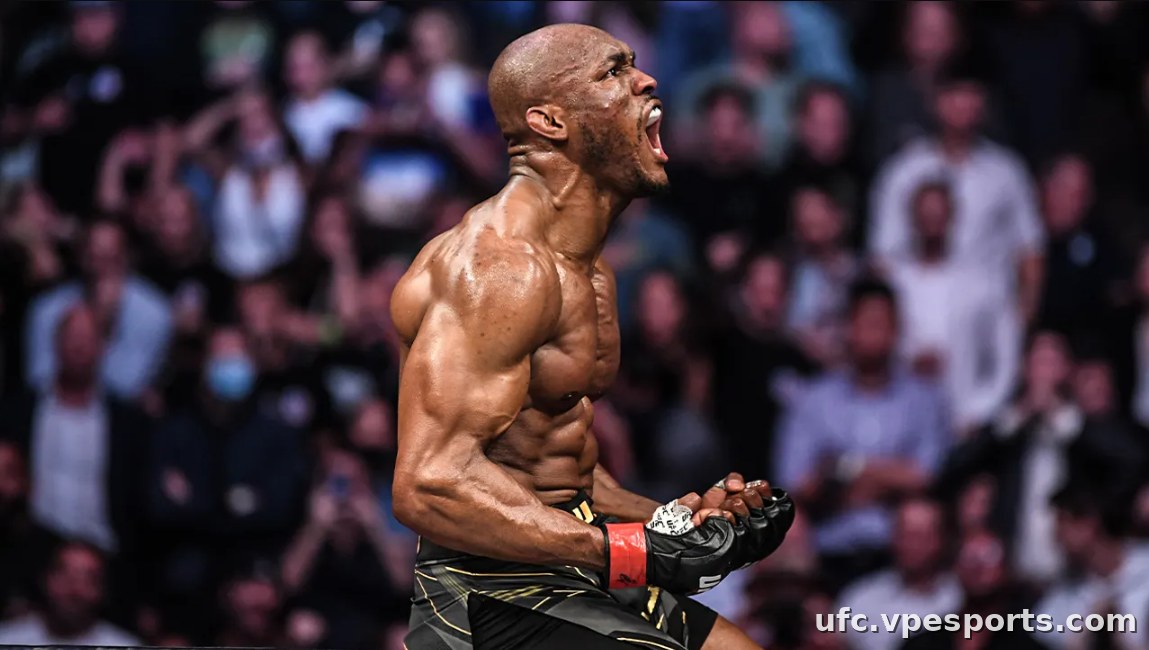
The night he beat Tyron Woodley for the belt changed the whole way people had to talk about him. Before that, some still saw him as a grinding contender with a strong system. After that, he was the welterweight champion, and not by accident. He took Woodley apart over five rounds. Not with one dramatic burst. Not with one lucky swing. He broke him down with pressure, pace and control until the title looked like it belonged around his waist much more naturally than people had expected. It was a champion’s performance in the most serious sense. Clear. Cold. Dominant.
Once he had the belt, his career stepped into the part that made him truly great. Colby Covington was first, and that fight mattered because it forced Usman into a type of war many people had not yet seen from him. The fight was ugly, mean and full of pace. Usman finished him late and proved something new in the process. He was not only a wrestler with cardio and discipline. He could stay in a brutal fight with another elite pressure machine and still be the man standing at the end.
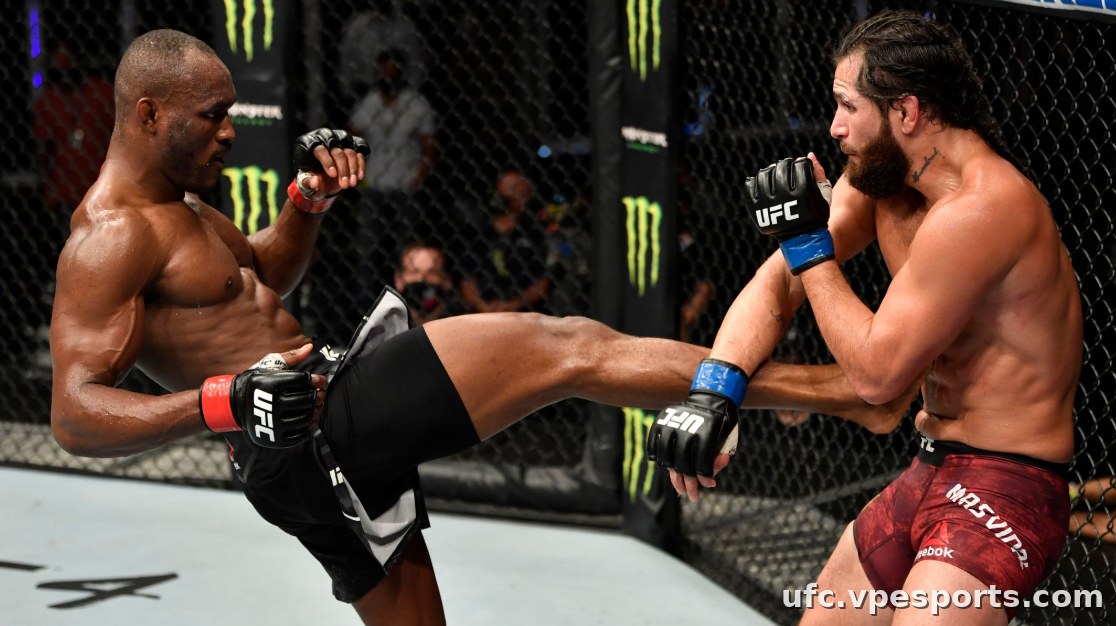
Then came Jorge Masvidal. The first fight was built quickly. The second was built loudly. And that second one gave Usman one of the defining moments of his career. The right hand that shut Masvidal off did more than win a title defense. It changed how people saw his power. Opponents already respected his wrestling and pressure. After that knockout, they had to respect the idea that one clean mistake in open space could end the night immediately.
Gilbert Burns brought another challenge. A former teammate. A dangerous grappler. A man who knew him better than most opponents did. Burns hurt him early, which only made the comeback stronger when Usman settled down and finished him. That fight matters because it showed the discipline in his championship years. Even when things went wrong, he did not panic easily. He could take a bad moment, slow his breathing, trust his reads and turn the fight back in his direction.
The second Covington fight was not as violent as the first, but it still mattered. It showed that by then Usman was not only defending a title. He was defending a whole era at welterweight. He was the man everyone had to go through, and the division kept failing to move him. That is what long title runs look like from the inside. The names change. The challenge stays. The champion has to keep solving new nights without losing the edge that built the run in the first place.
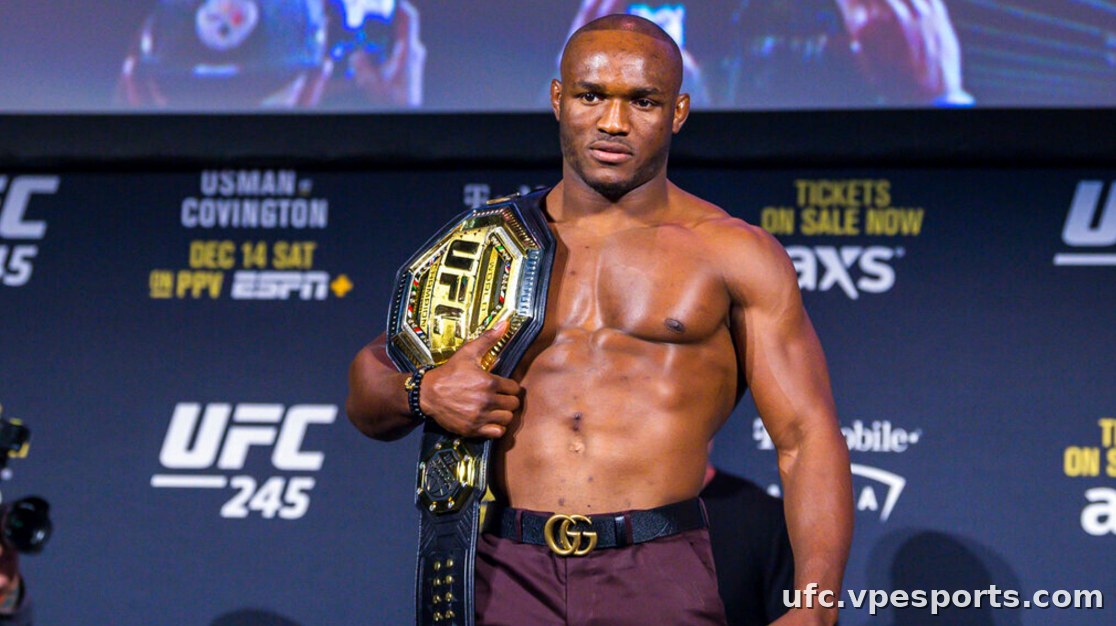
He defended the belt five times. That alone puts him in rare company at welterweight. But the numbers only tell part of the story. The more important thing is the feel of that title run. Usman did not just wear the belt. He made the division feel closed for a while. If you were at 170, your whole future depended on whether you could survive him, match his pace, stop his wrestling, avoid his jab and keep your confidence while he kept taking pieces of the fight away.
Usman vs Edwards
That is why the Leon Edwards loss hit so hard. Going into UFC 278, Usman was leading the fight. He had already beaten Edwards once years earlier. He was minutes away from another title defense. Then the head kick landed, and everything changed in one of the most dramatic championship endings the sport has had in years. That moment did more than take the belt. It broke the feeling of certainty around him. Up to that point, Usman had looked like the kind of champion who only lost if something extraordinary happened. Then something extraordinary did happen.
The rematch mattered because it asked the hardest possible question after a defeat like that. Was the knockout just one moment, or was the division moving past him? Usman fought hard. He had his moments. But he lost again, this time by decision. That second loss felt different from the first. The first one was shock. The second one was reality. Suddenly the old run was over, and the next chapter of his career had to be written from below, not from the top.
That is where the human part of Usman’s story becomes more interesting. Great fighters are easy to admire when they are crushing everyone. The real test comes later. Can they live with losing the belt. Can they adjust to the sport talking about them in the past tense. Can they still matter when the division is no longer built around them. Usman had to sit in all of that.
| Career stage | What changed |
|---|---|
| Wrestling years | Built the discipline and control that became the base of everything |
| TUF 21 win | Gave him the UFC entry point and real momentum |
| Woodley title win | Turned him from top contender into welterweight champion |
| Covington, Masvidal, Burns fights | Built his championship legacy and expanded how dangerous he looked |
| Edwards losses | Ended the title reign and forced a completely different stage of his career |
And there were more problems waiting. The body had already taken a lot. Usman spent years fighting through bad knees and the kind of wear that does not always show in one dramatic injury report but does show in how carefully a fighter sometimes has to manage camp. Champions are often praised for toughness, but what people miss is how much of that toughness is private. It is getting up and doing the work when your body is no longer acting like the body of a young contender. Usman carried that for years.
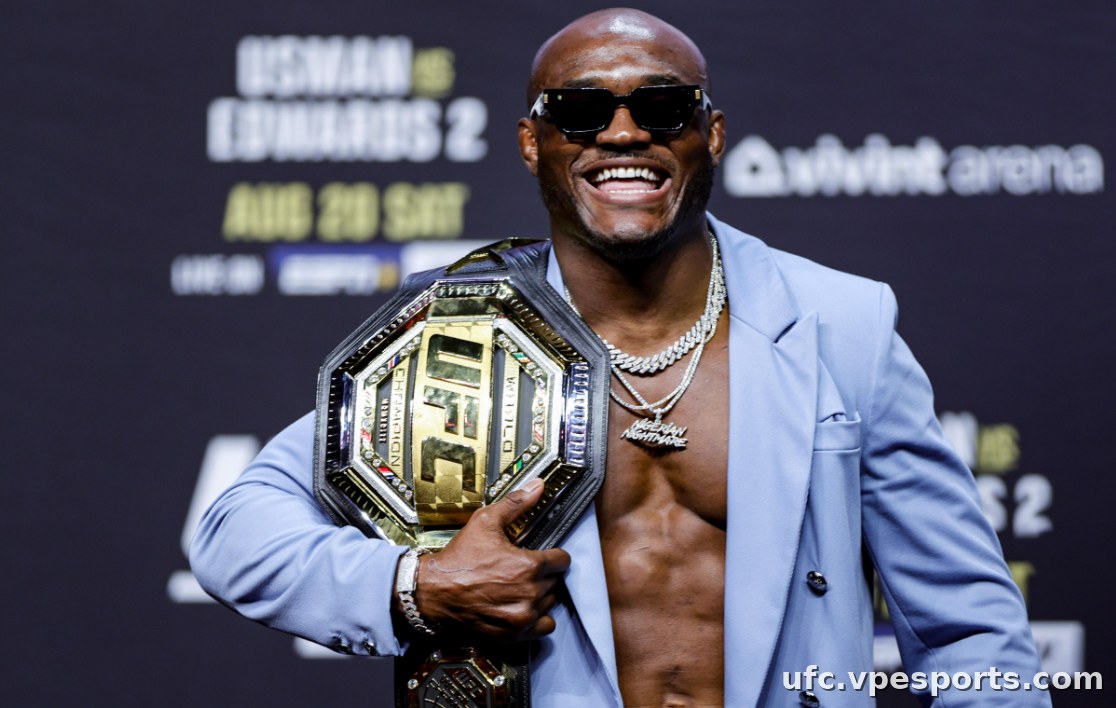
He also had to deal with a strange kind of criticism during his best years. Some fans respected him more than they loved him. They loved the knockouts. They respected the control. But there was a period where he had to fight against the lazy idea that he was “boring” just because he was so good at taking away what other men wanted to do. That changed later when the striking became more dangerous and the championship wins got louder, but it was still part of his road. He had to earn admiration twice — first through dominance, then through violence.
There is another side to his life too, and that matters in a career piece. Usman became more than just a champion with a belt. He became one of the faces of African MMA at a time when that identity was growing in a bigger way inside the UFC. Along with Israel Adesanya and Francis Ngannou, he helped make African champions feel like a full wave, not isolated stories. That gave his run a wider meaning. He was not only fighting for his own place. He was part of a generation that changed what the top of the sport looked like.
- Usman grew up between Nigeria and the United States and carried both worlds into his career.
- Wrestling gave him the structure that shaped his whole style.
- His welterweight title run made the division feel closed for years.
- The losses to Edwards forced him into the hardest part of any great career — life after the belt.
As for money, that part is always hard to pin down exactly in UFC because the real system stays mostly private. But the public picture still tells enough. During his championship years, Usman was making serious money by MMA standards. Public estimates today place his net worth around $3 million, though that number should be treated carefully because it is not official. What is clearer is that his big title fights, sponsorships and visibility pushed him into a much stronger financial life than the one he came from. A reported guarantee of about $532,000 for the Leon Edwards rematch gives at least one visible marker of how big the championship stage had become for him, even if the full number behind the scenes may have been higher.
Kamaru Usman after the belt
The later stage of his career is still being written, and that makes it harder and more interesting. He is no longer the man who rules the division without question. He is the former champion people still have to measure. That is a different kind of pressure. When he came back to fight Khamzat Chimaev on short notice, he did not get the win, but he reminded people he was still very hard to move, even under rough conditions. That mattered. It kept him from becoming just another ex-champ hanging around old memories.
There is also something about Usman that keeps him relevant even when the belt is gone. He understands the big-fight atmosphere. He carries himself like a main-event fighter. He knows how to talk like someone who expects serious rooms, not side rooms. That confidence can irritate people sometimes, but it is also part of why champions stay dangerous after the title years end. They still believe they belong near the top, and if the body still gives them enough, that belief keeps the career alive longer than people expect.
His story works because it has both kinds of greatness in it. The hard rise and the hard fall. The control and the chaos. The years where he looked almost impossible to beat and the nights where the sport reminded him that no champion gets to own certainty forever. Kamaru Usman’s career is not just the story of a welterweight champion. It is the story of a man who came from a hard beginning, built himself through wrestling, carried family pain and personal discipline into the cage, and then became one of the defining fighters of his era.
That is why his career still deserves to be read as something bigger than one title run. He was never just a good athlete who found the right moment. He was a serious, difficult, disciplined fighter who turned years of hard work into a reign, then had to learn how to live after that reign broke. Those second lessons are ugly. They do not come with belts. But they often tell you more about the person than the easy wins ever could. Usman is still living through that part now, and that is exactly why his story still feels open instead of finished.
Fight Talk
Share your take on this story
Start the Conversation
Be the first to share your take. Discuss the fight, reactions, and predictions with other fans.