

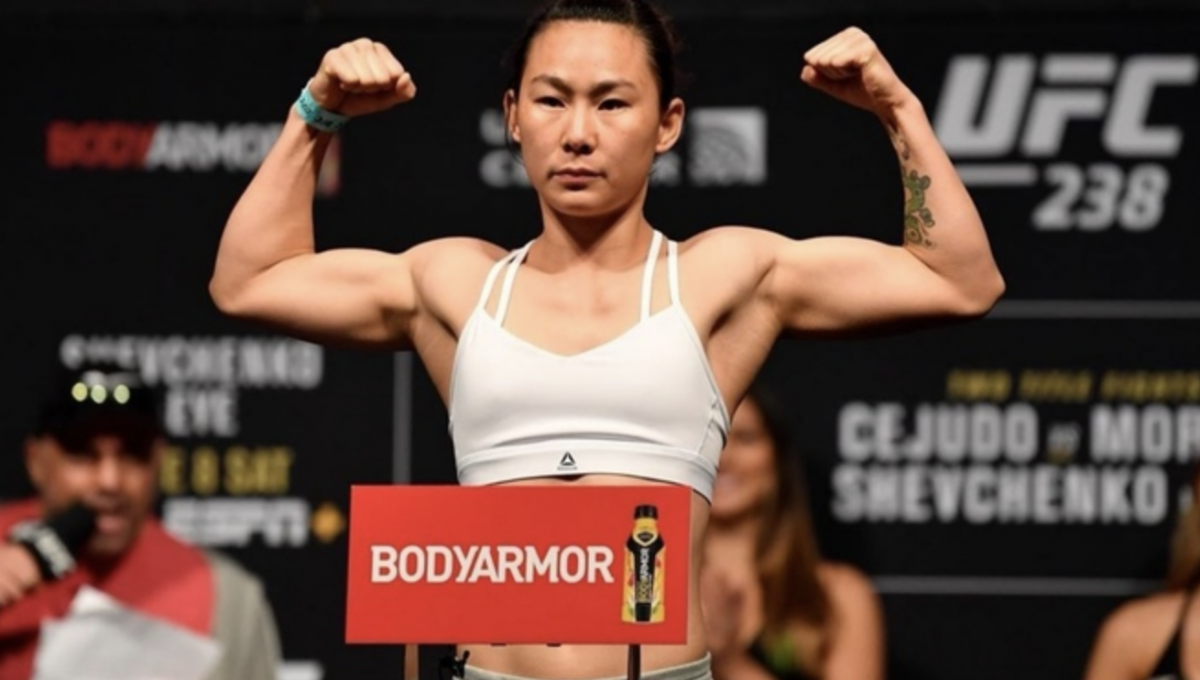
Yan Xiaonan never had the kind of career that moved in a straight clean line. That is one of the reasons her story holds up better the longer you sit with it. She was not introduced to fans as a perfect product with a simple rise, a quick belt and a smooth narrative around her. She had to grow into the sport, grow through it and then survive the moments when it looked like the climb had stalled right in front of the biggest opportunity of her life.
Before the UFC audience learned her name, Yan had already lived the kind of athlete’s life that teaches discipline early and softness very rarely. She came from Shenyang, grew up in China, and built her base in sanda before mixed martial arts really became her full direction. That matters because you can still feel that background in the way she fights. Even later, when she added more layers to her game, there was always something direct and old-school about her. The hands came from someone who understood striking first, not from someone who discovered stand-up after learning to wrestle. She had that Chinese kickboxing structure in her body, that sense of balance, range and straight-line violence that can make a fighter look calm one second and suddenly sharp the next.
She studied at Xi’an Sports University and entered MMA in a world that was still asking Chinese fighters, especially Chinese women, to prove themselves harder before the wider sport truly believed in them. That part is easy to forget now because the Chinese presence in the UFC feels normal. It was not always normal. Yan came through at a time when every strong performance from that scene still carried a second burden. Not only do you have to win, you also have to show that people should stop treating your success like an exception.
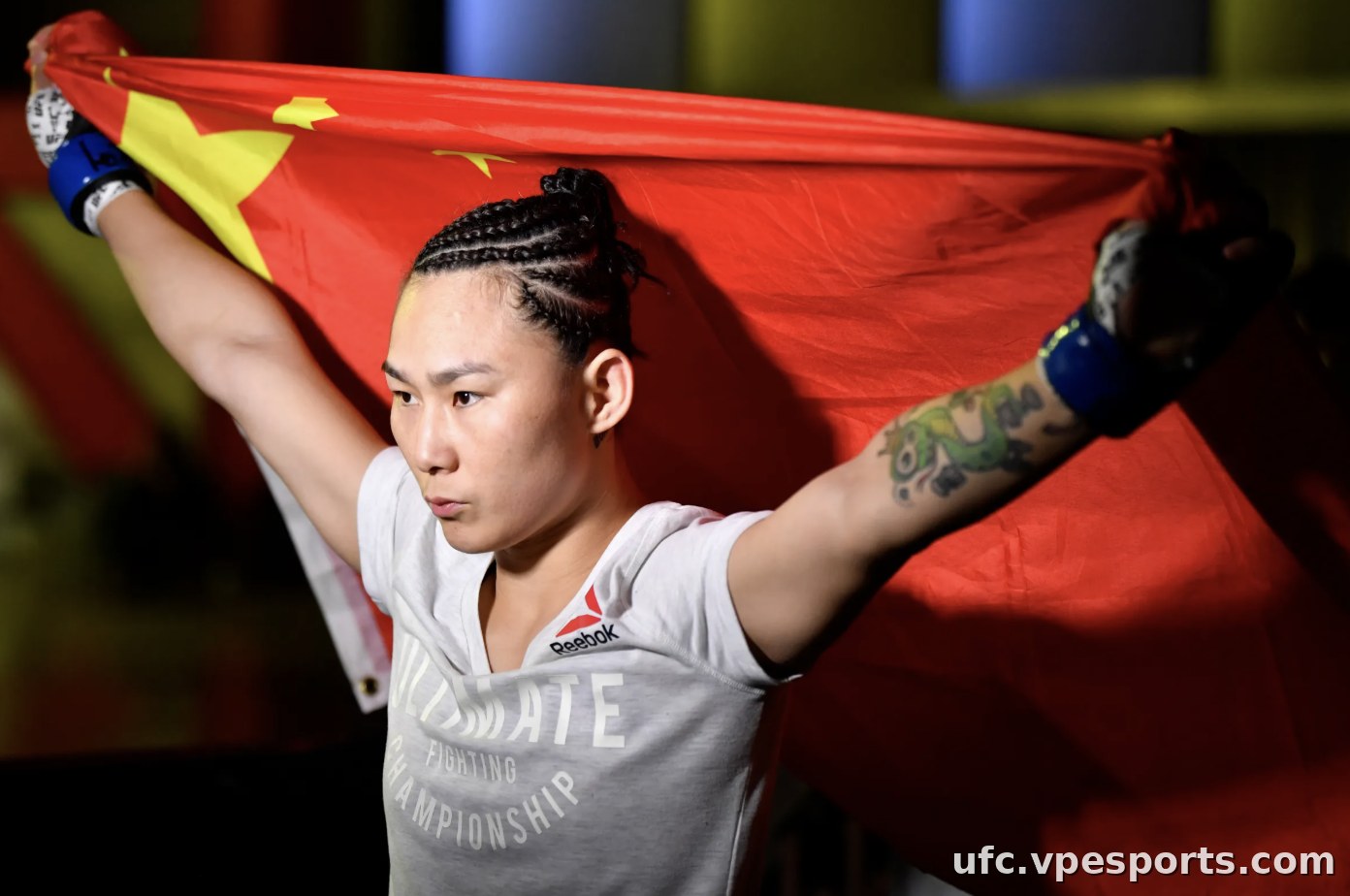
Her early path was not glamorous. It was work. Fight, learn, adjust, move, improve. Win enough to stay alive. Lose enough to understand where the holes really are. Find the places where the sport punishes you for being too narrow. Yan had to do all of that. She was not born into one of those careers where the machine starts protecting you early because it sees a marketable future. She had to build herself first, step by step, until the UFC could no longer ignore what she had become.
That is why her signing mattered so much in the first place. Being the first Chinese woman on the UFC roster was not just a trivia note to decorate the career later. It placed her at the front of a door that had not fully opened yet. She was arriving with her own ambitions, of course, but she was also carrying the kind of pressure that comes when you know people will read your success or failure as something larger than just one fighter’s night.
And the first stretch of her UFC run showed exactly why she belonged. She beat Kailin Curran in Shanghai. Then came Viviane Pereira, Syuri Kondo, Angela Hill, Karolina Kowalkiewicz, Claudia Gadelha. That list matters because it shows the shape of the rise. She was not skipping past experienced names by accident. She was doing the hard contender work. Three rounds here. Tough spots there. No title shot shortcut. No fake momentum. She was building a résumé through difficult women who knew how to expose someone who was still unfinished.
What made that rise feel real was not one giant knockout or one moment of hype. It was consistency. Yan kept showing up prepared, sharp enough on the feet, defensively sound for long stretches and hard to unsettle when the fight became a little messy. She was not the loudest personality in the sport, and she did not need to be. There was something stronger in the way her career moved then. You could feel that she was earning each new level without having to beg the audience to look at her.
The Claudia Gadelha fight was a big step in that process. Gadelha brought name value, veteran craft and enough grappling threat to make any strawweight think carefully about the shape of the fight. Yan beat her cleanly and looked like a woman who was no longer just surviving ranked company. She was now taking positions away from them. That is a different phase of a career. Once that shift happens, the division stops asking whether you belong near the top and starts asking how close you really are to forcing the belt conversation.
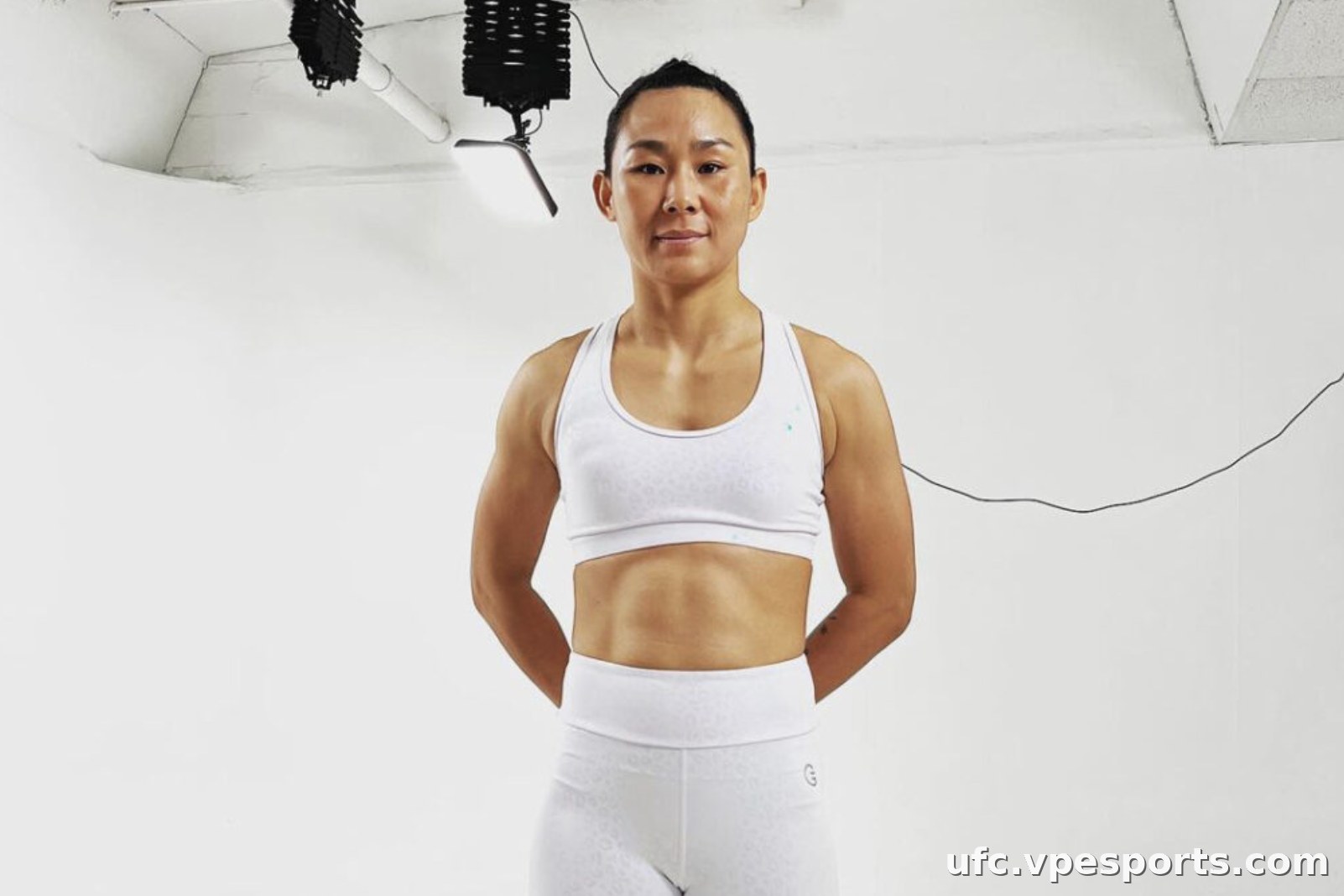
Yan Xiaonan rise in UFC
But careers like hers are almost never allowed to stay smooth for too long. The Marina Rodriguez loss hurt because of where it landed. By then Yan was not far from the title picture at all. She had put together enough work to be taken seriously, and the next few fights were supposed to answer how high the run could go. Instead she got stopped, and it was the kind of defeat that can feel heavier than one result in a record column. A fighter who had spent years climbing with control suddenly looked vulnerable in a way people could not unsee.
Then came the Mackenzie Dern fight, and with it another kind of pressure. Dern brings a very specific kind of discomfort into a cage. Even when she is losing, she can make every scramble feel dangerous. Yan had to fight with real composure there. She did, and the majority decision win mattered for more than the official result. It told the division that she could steady herself again after the Rodriguez setback. She had not been broken by the first really harsh stumble of her UFC rise.
The Jessica Andrade fight changed everything about the speed of the story. Andrade is not built to make opponents look good. She is violent, physical, compact and built to make strawweights feel the danger immediately. Yan knocked her out in the first round. That is the kind of win that does not need a lot of explanation after the fact. It changes your whole placement instantly. One moment you are a respected contender. The next you are standing inside a title conversation that cannot honestly leave your name out of it.
That knockout also showed something important about Yan beyond the ranking effect. It showed how dangerous her striking still is when the reads come fast and the confidence is fully in place. Fighters from strong sanda backgrounds can sometimes look tidy without looking deeply harmful against the top of the division. Yan has never fully belonged in that category. When the range is right and the exchange opens where she wants it, she can hurt people cleanly and quickly. Andrade learned that the hard way.
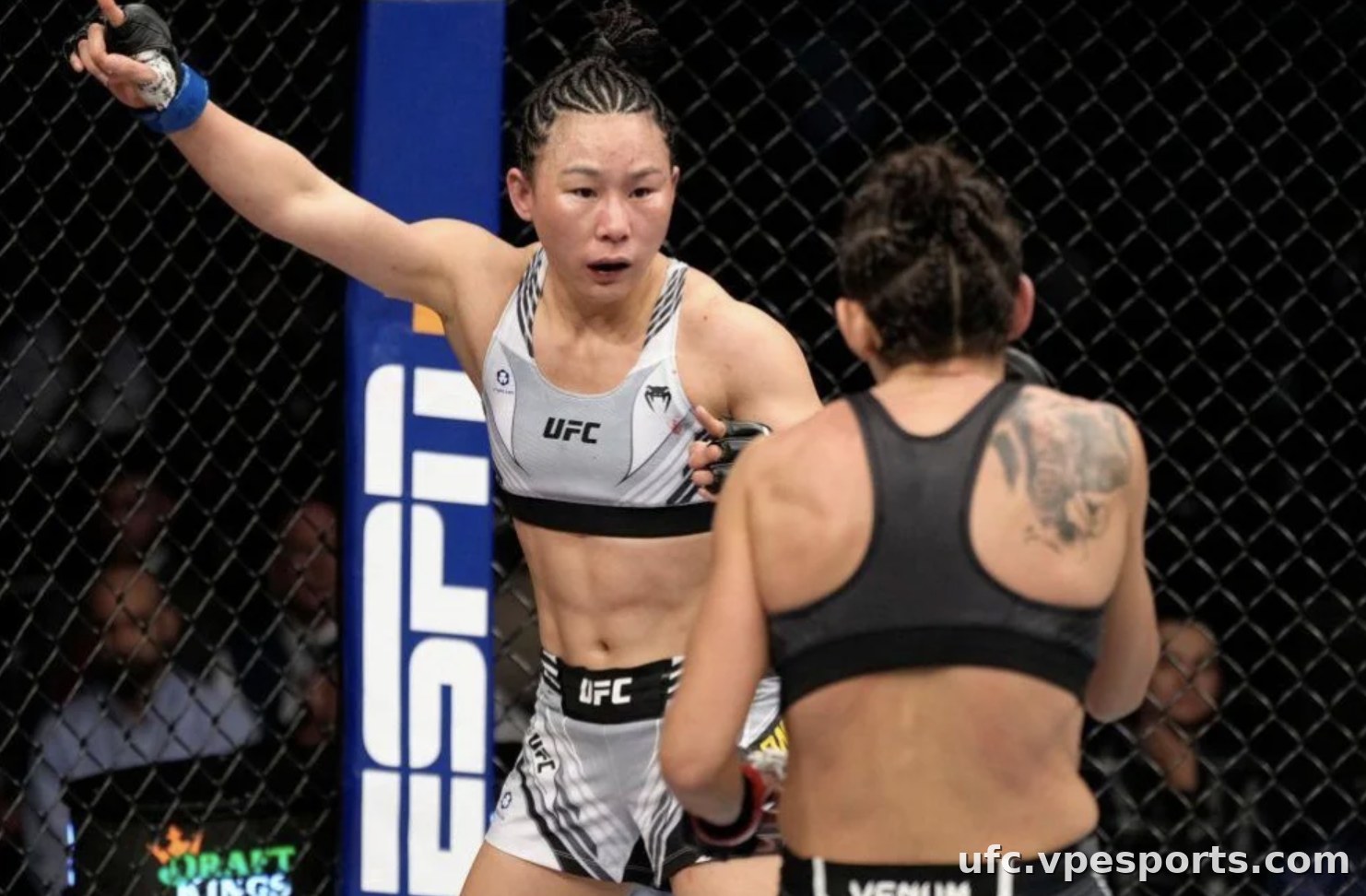
Then came the biggest night of her career so far. UFC 300. Zhang Weili. A title fight between two Chinese women on one of the most important cards the promotion had built in years. The pressure around that fight was different from ordinary championship pressure. It was history, visibility, national pride, legacy, and a level of attention that can swallow a fighter if she enters it with the wrong head. Yan did not shrink. She lost the fight, yes, but she also gave herself the kind of night that sits differently from a failed title bid that never gets off the ground.
She nearly finished Zhang in the first round with that upkick and changed the whole mood of the fight for a moment. That sequence matters in her story because it proved she was not just there to complete the occasion. She was close enough to the belt to make one of the greatest women’s strawweights in history feel real danger. Against a champion as complete and composed as Zhang, that says something. It says Yan’s title shot was not gifted by rankings or timing alone. She had actually fought her way into a place where the belt could feel touchable.
Of course, touching it and taking it are different things. Zhang recovered, settled in, and over five rounds did what elite champions do when they survive the worst moment. Yan lost the decision. That is the clean fact. But not every title loss hits a career the same way. Some expose the gap too brutally. This one did something more complicated. It hurt, but it also confirmed that Yan belonged in that room. For a fighter who had spent years forcing people to stop doubting the depth of Chinese women’s MMA, that mattered even in defeat.
The harder question was what came next. Title challengers are judged brutally after losses. If they disappear, people say the shot was too much. If they come back flat, people say the moment broke them. If they win but without force, people keep them hanging near the top without really believing they will touch the belt again. Yan needed the kind of return that shut all that noise down before it could settle.
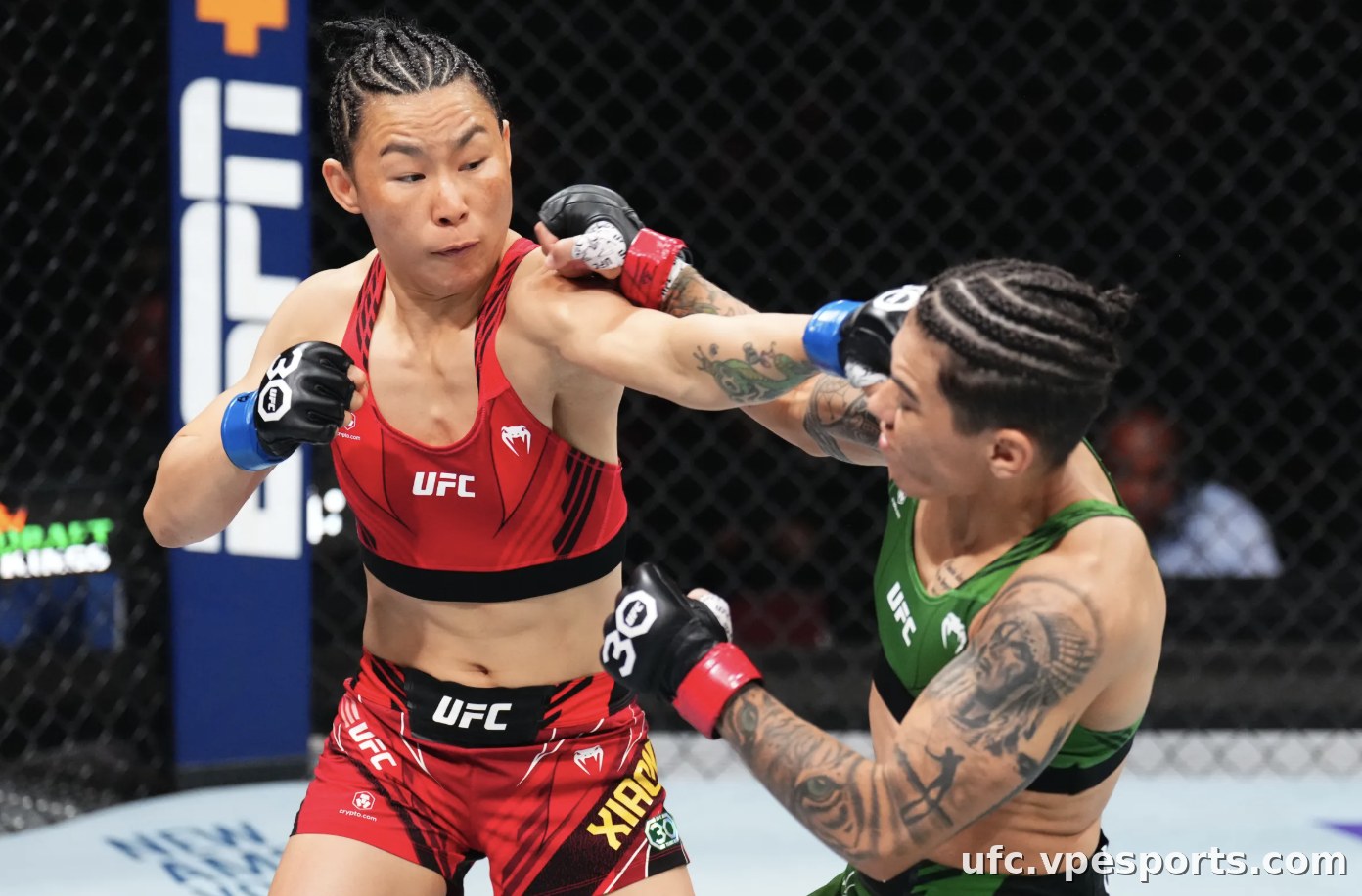
Yan Xiaonan biggest fights
That is why the Tabatha Ricci fight mattered more than it might look at first glance. Ricci was not carrying a title, but she was dangerous, aggressive and exactly the sort of opponent who can make a disappointed former title challenger look uncertain if the confidence has slipped even a little. Yan did not allow that reading. She beat Ricci and gave herself a clean step back into the top lane of the division. After a title loss, sometimes the most important thing is not brilliance. It is clarity. She got that.
When you look back at the biggest fights of her career, you can almost see the whole emotional map of Yan Xiaonan through them. Kailin Curran marked the UFC beginning. Claudia Gadelha marked the first real “you are now in the serious part of the division” win. Marina Rodriguez was the hard stall, the kind that can stop a rise cold if a fighter has built her identity too much around momentum. Mackenzie Dern was the steadying fight. Jessica Andrade was the explosion. Zhang Weili was the peak opportunity and the painful proof that she belonged there. Tabatha Ricci was the response. That is not a random sequence. That is the career shape of a fighter who has had to keep rebuilding her own argument instead of simply inheriting one.
What also separates her from a lot of contenders is that she has never needed to become a fake version of herself to stay relevant. She is not built on theatrical noise. She is not one of those fighters who can lose three rounds of narrative and win them all back with one microphone speech. Her value has always stayed closer to the work. She trains. She improves. She fights with technical seriousness. She carries herself like someone who understands that being from a market the UFC wants to grow can help, but it never wins a clinch exchange, never stops a takedown and never gets your hand raised on its own.
That does not mean the road has been easy. Strawweight is one of the most demanding divisions in the sport because so many women there are hard to dominate cleanly. The margins are tiny. One bad round can swing the whole fight. One style problem can keep reappearing if you do not solve it deeply enough. Yan has had to deal with exactly that kind of division for years. She has faced wrestlers, pressure fighters, compact hitters, submission threats, and women who can drown a technical fight in pace. That is a difficult way to build a long career because it leaves very little room to stay static. You either add layers or you get solved.
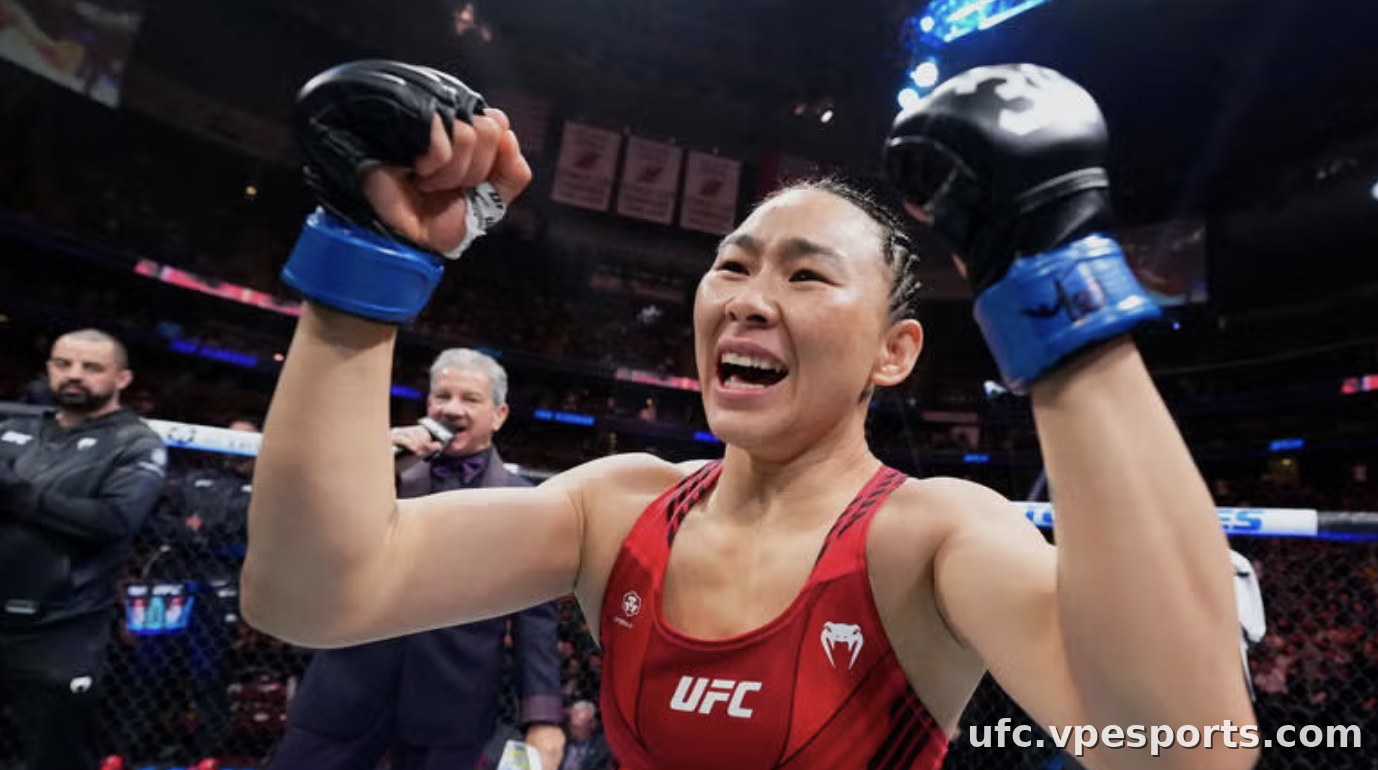
Yan kept adding. The later version of her is not identical to the woman who first arrived in the UFC. The striking still carries the old foundation, but the composure is stronger. The fight IQ in ugly moments feels better. The understanding of what each round needs is sharper now than it was when she was climbing through the lower part of the rankings. Those changes do not always create a new highlight reel, but they are often the reason a career lasts long enough to matter.
| Career point | What it changed |
|---|---|
| First Chinese woman signed by UFC | Put her at the front of a new chapter for Chinese women in MMA |
| Win over Claudia Gadelha | Moved her from respected striker to serious ranked contender |
| Loss to Marina Rodriguez | Brought the first major stall and tested how much of the climb was real |
| KO over Jessica Andrade | Opened the title road and gave her one of the biggest wins of her career |
| Title fight with Zhang Weili | Confirmed she belonged in the biggest moment even without winning the belt |
There is also something very human in the way her career has unfolded. Not everyone is built to become a champion by twenty-eight with a perfect story wrapped around them. Some fighters have to spend years becoming hard enough to carry their own ambition without letting frustration poison them. Yan feels like that kind of athlete. Her career is not about one giant coronation. It is about persistence under a high level of scrutiny, in a division with almost no free movement and in a region where every breakthrough used to carry the weight of proving something larger.
That is why her life outside the bright center of title talk matters too. She came from traditional Chinese striking, studied sport seriously, entered MMA when that move was still rougher and less secure than it looks now, and built a professional path through environments that required discipline before glamour. She was not handed a smooth American development system. She had to come out of a different structure, adapt to the global version of the sport and survive long enough to make herself internationally undeniable. That is a real challenge, and it shaped the kind of fighter she became.
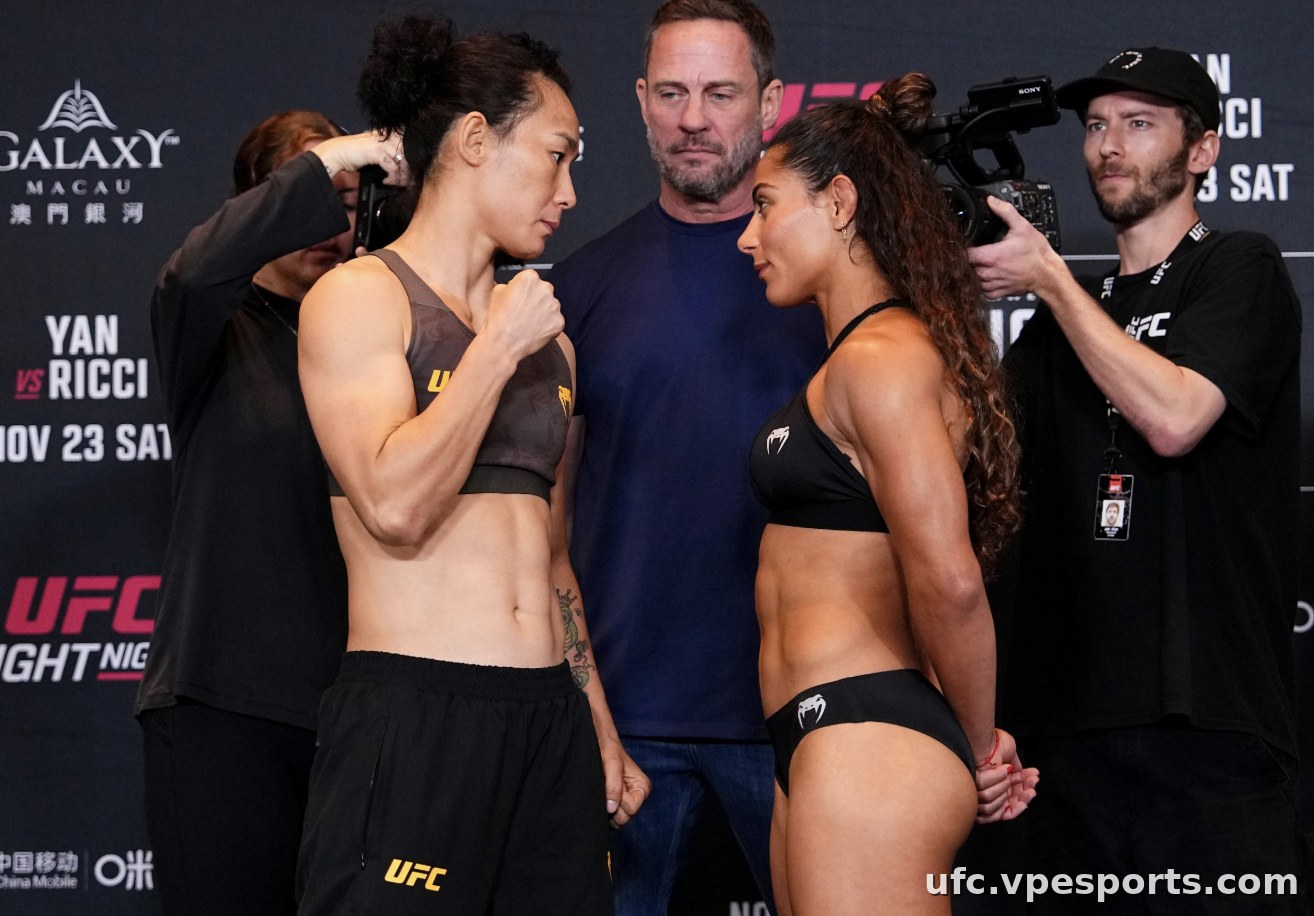
Yan Xiaonan after UFC 300
After UFC 300, the easiest thing for people on the outside was to reduce her story to one line: title challenger came up short. But that is too small for what her career actually is now. She remains one of the central names in women’s strawweight, not because of marketing language or historical symbolism alone, but because she has been good for too long against too many different women to be treated as a one-night headline. Fighters like that stay relevant because they are structurally hard to remove. The division keeps moving, but they remain part of the frame.
That is where Yan lives now. She is no longer climbing from obscurity. She is no longer trying to prove she belongs in ranked company. She is in the hard section of a contender’s career, where every next step has to answer a very specific question. Do you still have another title run in you, or have you already had your one clean look at the belt? That is a brutal place to live as a fighter because the answers do not come from hope or talent alone. They come from how you respond after the biggest disappointment of the run.
The Ricci win helped because it gave a direct answer to the first fear. No, the title loss did not break her. No, the division did not move on from her overnight. No, she was not about to become one more name hanging around the top five while the real action passed by. She won, stayed in view and kept herself alive in the room. That is valuable in any division. At strawweight it is everything.
And yet the most compelling thing about Yan Xiaonan may be that she still does not feel complete in the storybook sense. With some fighters, you get the sense that the whole book has already been written even while they are active. With Yan, there is still unfinished business all over the place. Another title run is still possible. Another major upset is still possible. Another painful near miss is still possible too. That uncertainty is part of what keeps her career interesting. She has built too much to be dismissed and left enough undone that people still watch with real questions.
- She built her name through hard ranked fights, not shortcuts.
- She became the first Chinese woman on the UFC roster and helped change the landscape for those who followed.
- Her biggest wins and losses both shaped her, instead of simply labeling her.
- She remains in the part of strawweight where one more surge can still put the belt back in front of her.
There is a particular kind of respect a fighter earns when the career stops being about hype and starts being about durability at a high level. Yan has that now. Not durability in the simple physical sense, though she has plenty of that. Durability in the deeper professional sense. She has survived style tests, ranking fights, pressure moments, title-stage nerves and the psychological violence that comes with finally getting close to the belt and leaving without it. Plenty of fighters never truly recover from one part of that list. She is still here, still dangerous and still relevant.
That is why her career deserves to be told as more than a title shot and a ranking. Yan Xiaonan is one of those fighters whose story says a lot about how real growth actually looks in MMA. It is not always glamorous. It is not always fast. Sometimes it is years of competence before a flash of greatness. Sometimes it is a title loss that proves as much as a title win would have. Sometimes it is the refusal to disappear after the biggest night did not go your way. Her career has all of that in it.
When people write her into the history of Chinese MMA, they should write her in two ways at once. As a pioneer, because that part is true. And as a serious competitor, because that part matters just as much. She did not help open doors only by existing. She did it by becoming good enough that those doors could no longer be argued shut. That is a more lasting kind of importance.
Yan Xiaonan’s career is still moving, which means the clean final judgment can wait. But even now the outline is already strong. A sanda base. A long road into MMA. The first Chinese woman to reach the UFC roster. A steady rise built on discipline instead of noise. A hard stumble. A violent rebound. A title shot on one of the biggest cards in promotion history. A return to contention instead of a fade into old headlines. That is a serious career. And if the next push comes, it will not feel like a surprise. It will feel like the latest version of what she has been doing the whole time — forcing the division to keep making room for her.




Fight Talk
Share your take on this story
Start the Conversation
Be the first to share your take. Discuss the fight, reactions, and predictions with other fans.