

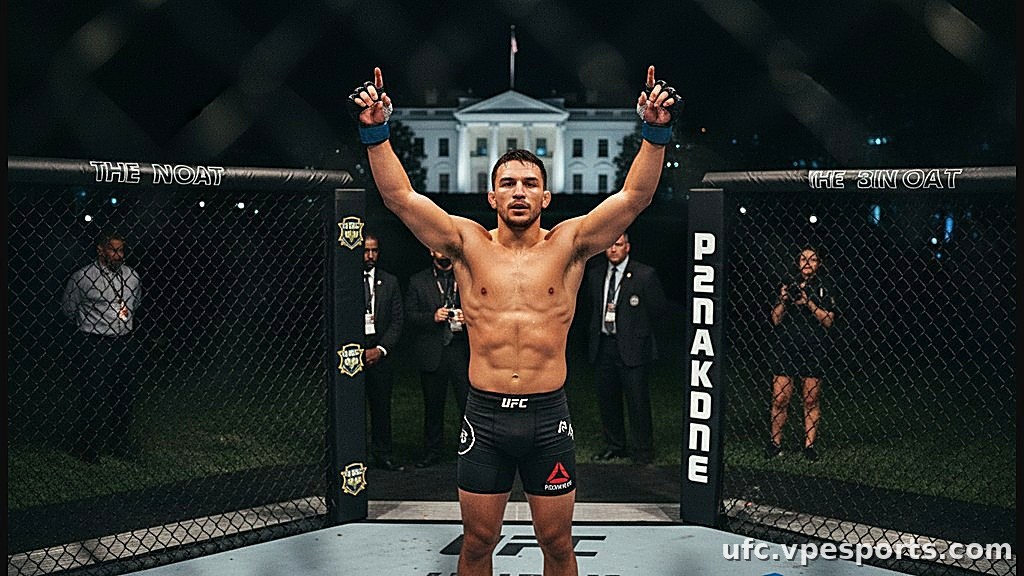
Dustin Poirier has offered a stark assessment of Michael Chandler’s fighting future, questioning why his former lightweight rival would continue competing after a punishing stretch in the UFC. Speaking on Deep Waters, Poirier said he does not see the sense in Chandler pursuing another campaign, particularly if that campaign includes a move from lightweight to welterweight. The comments came after Chandler’s latest setback added to a difficult UFC run and renewed discussion around what could come next for him.
Poirier made clear that his view was not rooted in an active feud. He said the two men had buried the hatchet and shaken hands, but he still had a direct question for Chandler: “Michael Chandler, what are you doing?” Poirier’s concern centered on the damage Chandler has taken while fighting at lightweight and the potential consequences of meeting larger opponents at 170 pounds. Chandler has continued to indicate that he wants to fight again, yet Poirier framed the issue as more than a matter of desire. In his view, the physical cost and the recent results deserve as much attention as the possibility of another memorable performance.
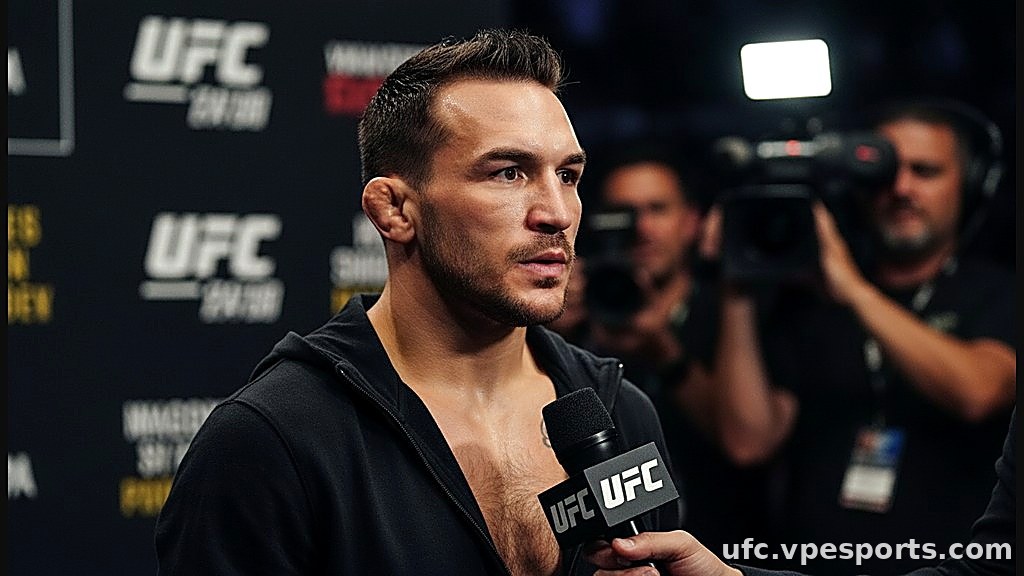
Poirier questions a move to welterweight
The possibility of Chandler moving up in weight was the central point in Poirier’s remarks. Poirier said he had seen discussion that Chandler might go to welterweight, then questioned what the move would accomplish if Chandler had already been stopped by lightweights while absorbing significant punishment. “If 155ers are stopping you and, you know, you taking all this damage, what are 170s going to do?” Poirier said. His argument was straightforward: a new division would not remove the risks that have followed Chandler’s high-action approach.
When others on the panel pushed back on the size question, Poirier shifted the conversation to Chandler’s motivation. “I want to know what he’s fighting for,” he said. That question carried added weight because Poirier is speaking after stepping away from competition himself. He has discussed the physical toll of a long fighting career, including concerns around brain scans after years in the sport. Poirier said fighters can be the last people to recognize when the people around them and the results are pointing toward retirement. “That’s what they always say the fighter is the last one to know,” Poirier said. “Everybody around them knows it’s time to hang up. Yeah the fight is the last one to know.”
A warning about the lure of one more finish
Poirier also described the belief that can keep a fighter returning even when speed, reactions and margins for error have changed. He said power can be the last attribute to fade, leaving competitors convinced they can still land the one shot that ends a fight. “The problem is power is the last thing to go and we all think we can land that shot that that ends the fight at any time,” Poirier said. “So it it keeps people coming back. I I just need to land that one shot. It might be slower, my reactions might be slower, my hands might be slower, but I just need one.” For Poirier, that mindset is precisely what makes another run dangerous rather than reassuring.
- Poirier said Chandler’s recent damage at lightweight makes a potential move to welterweight difficult for him to understand.
- Poirier questioned Chandler’s motivation and said fighters are often the last to accept when it is time to retire.
| Subject | Confirmed detail from Poirier’s comments |
|---|---|
| Michael Chandler | Poirier questioned why Chandler would keep fighting after a difficult UFC stretch. |
| Possible welterweight move | Poirier asked what larger opponents at 170 pounds would do if lightweights had already stopped Chandler. |
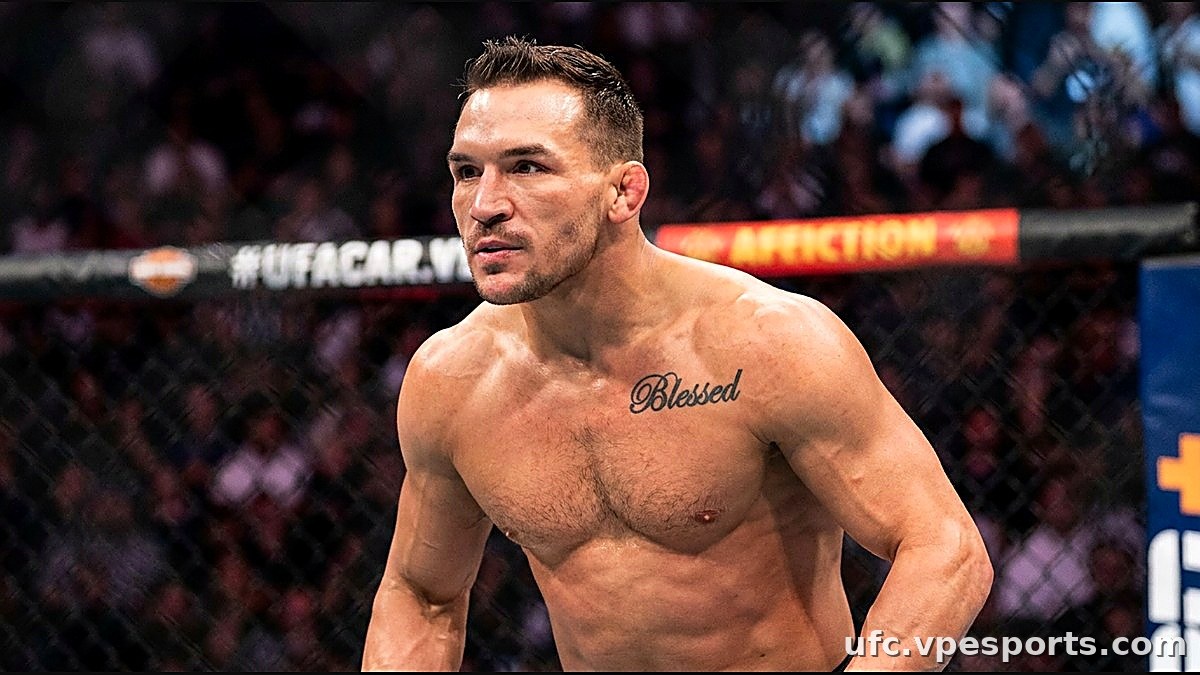
Chandler’s UFC run has included dramatic highs and brutal reversals. He knocked out Dan Hooker in his debut and nearly won UFC gold against Charles Oliveira, but the same aggressive style has also led to damaging swings in the other direction. Chandler has said he is “impossible to kill” and that his best is still ahead, while a possible fight with Conor McGregor has remained part of the wider conversation around his future. Poirier, however, did not argue for a route back through contenders or promote a fresh start in another division. His message was a warning about the cost of continuing. Having already shared a violent fight with Chandler, Poirier said he would rather see that kind of memory remain intact than watch his old rival keep chasing a finish that may never arrive.
Fight Talk
Share your take on this story
Start the Conversation
Be the first to share your take. Discuss the fight, reactions, and predictions with other fans.