

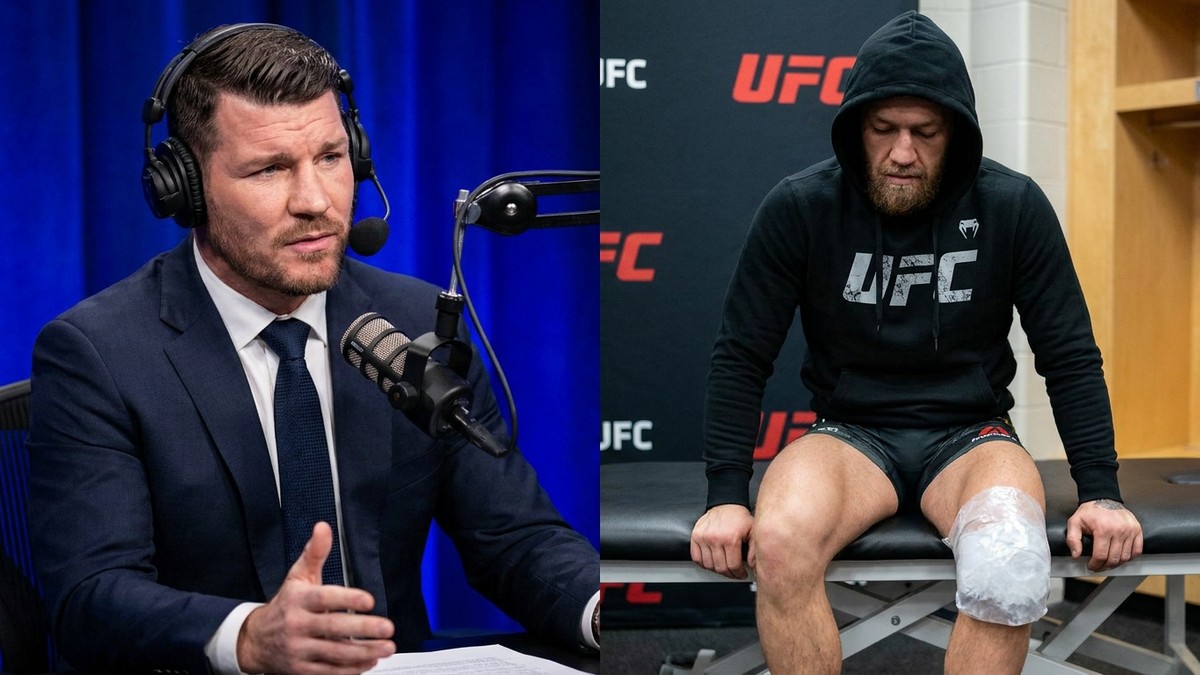
Conor McGregor’s return at UFC 329 ended almost as soon as it began, but Michael Bisping believes the most notable part of the aftermath came from McGregor’s own thinking rather than the fight itself. McGregor faced Max Holloway in a Las Vegas rematch earlier this month, looking for his first victory since 2020. Instead, the 38-year-old Irish star was unable to finish the first round after sustaining a serious injury to his right knee. The five-round main event at the T-Mobile Arena was halted by a doctor when McGregor could not continue.
The setback arrived moments into McGregor’s comeback. He threw early high kicks against Holloway before appearing to struggle when trying to stand. Afterward, McGregor said the main issues in his right knee were an ACL tear and meniscus damage. Surgery is now expected following the failed return. The injury and its likely recovery naturally shaped the immediate discussion, yet Bisping focused on a separate element of McGregor’s response. In his post-fight comments, McGregor considered the possibility that a win might have taken him to an after-party and then toward habits he now associates with a loss of discipline. That reflection, in Bisping’s view, offered a possible positive amid an otherwise painful night.
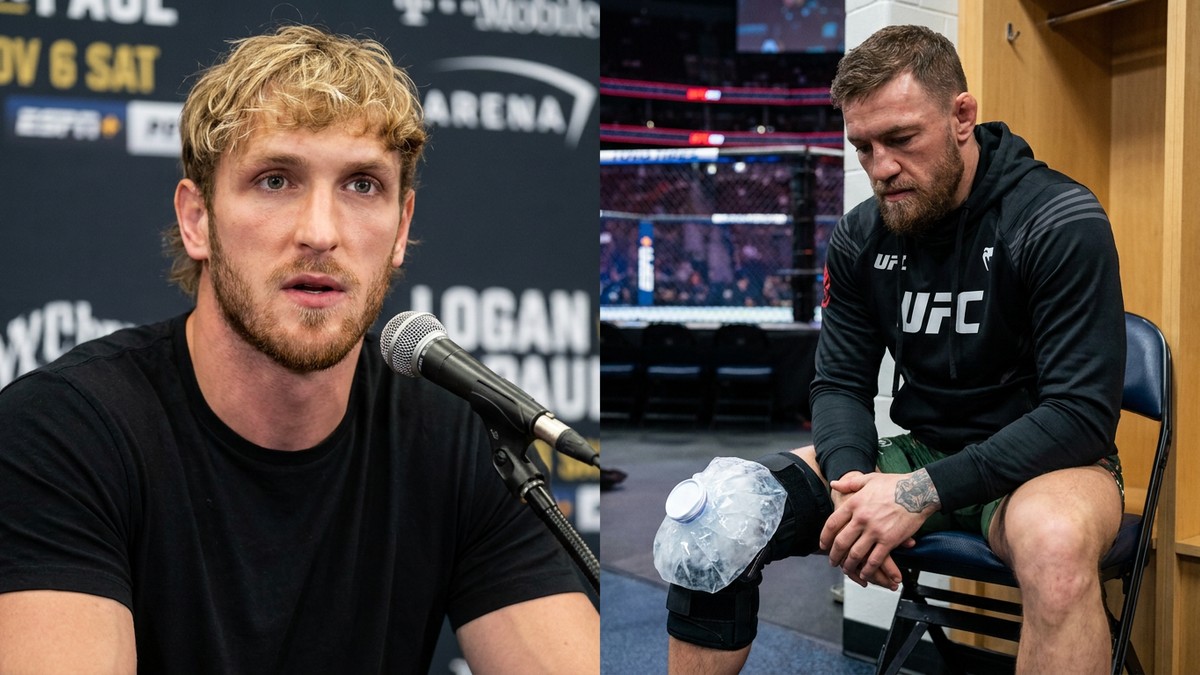
Bisping sees value in McGregor’s honesty
On the Michael Bisping Podcast, the former UFC dual champion said McGregor had made an interesting post after UFC 329. Bisping stressed that he was not commenting on McGregor’s references to God’s plan. His attention was on the fighter’s description of what might have followed a victory over Holloway. Bisping said McGregor appeared to recognize that winning could have led directly to the post-fight celebration, with that celebration potentially becoming a route back to excessive partying and behavior that harmed his body. Rather than presenting the knee injury as a good outcome, Bisping identified McGregor’s awareness of that danger as the important point. The former champion’s reading was that McGregor had openly acknowledged a pattern he did not want to revisit. For Bisping, that degree of self-assessment stood out because the loss came during a comeback attempt that had already been difficult for McGregor before the injury stopped it.
McGregor entered the Holloway rematch trying to end a run that had lasted since his win over Donald Cerrone at UFC 246. He had suffered back-to-back defeats to Dustin Poirier before facing Holloway, and the doctor’s stoppage in Las Vegas became his third consecutive loss inside the octagon. His career had previously taken MMA to another level at its height, but UFC 329 did not provide the return to winning ways he sought. The fight did not reach a tactical late stage or require the full five rounds to decide its outcome. It ended because McGregor could no longer continue after the early knee problem. Against that backdrop, Bisping’s takeaway centered on McGregor’s claimed commitment to discipline and his belief that the loss may have interrupted a route toward his old partying lifestyle.
McGregor addresses injury and discipline
McGregor used Instagram after UFC 329 to explain both the medical issue and his state of mind. He confirmed that ACL and meniscus injuries were the main problems found in his knee after the Holloway rematch. He also wrote that he was “maximum discipline” and had maintained that discipline fully since the bout. McGregor then questioned whether the setback had protected him from something worse. In his view, a win would have meant attending the after-party as “the man,” and he said he did not know where that could have led. McGregor concluded that he believed he had been saved. Those remarks supplied the basis for Bisping’s comments. The podcast discussion was not about claiming that the injury itself was beneficial. It was about McGregor identifying the potential risk of celebration, partying, and a return to behavior he sees as damaging. With surgery expected for the right-knee damage, the immediate sporting consequence remains the injury, while Bisping’s point concerns the personal lesson McGregor drew from the loss.
- McGregor’s fight with Holloway ended after a doctor stopped the main event because McGregor could not continue.
- McGregor said an ACL tear and meniscus damage in his right knee were identified after the rematch.
- Bisping highlighted McGregor’s concern that a victory could have led to an after-party and a return to harmful habits.
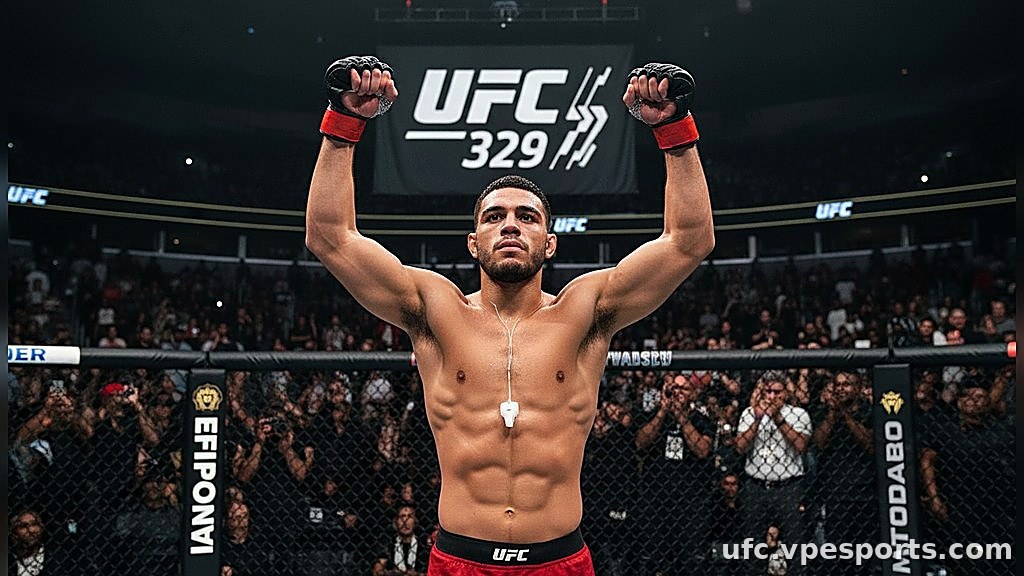
| UFC 329 subject | Verified detail |
|---|---|
| Opponent | Max Holloway |
| How the bout ended | Doctor’s stoppage after McGregor was unable to continue |
| Timing of injury | First round, moments into McGregor’s comeback fight |
| Right-knee diagnosis | Torn ACL and meniscus damage |
| Post-fight focus | McGregor said he had maintained discipline and believed he may have been saved from a worse path |
UFC 329 left McGregor with a first-round injury, a doctor’s stoppage, and a third straight defeat. His stated ACL tear and meniscus damage in the right knee are expected to require surgery. Bisping, however, found a different angle in McGregor’s post: the possibility that defeat kept him away from a celebration that could have pulled him back toward excessive partying. McGregor’s own words about maintaining discipline are therefore central to the discussion surrounding his comeback setback against Holloway.
Fight Talk
Share your take on this story
Start the Conversation
Be the first to share your take. Discuss the fight, reactions, and predictions with other fans.