

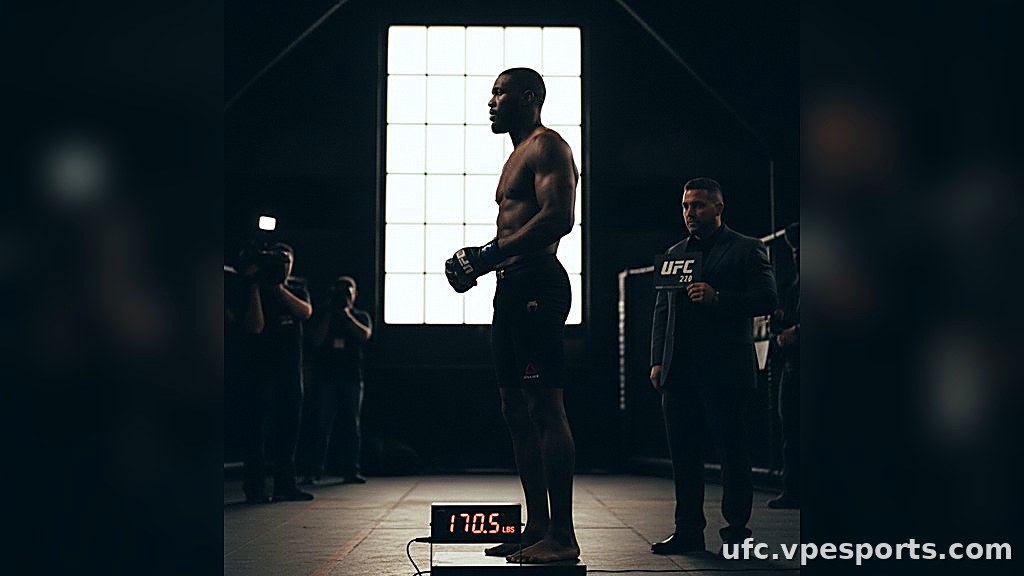
Dricus du Plessis did not present his Oklahoma City performance as a hunt for a spectacular ending. His own measure of progress was restraint. The former middleweight champion repeatedly hurt Kamaru Usman during their five-round meeting, yet resisted the urge to rush forward whenever an opening appeared. Afterward, he described that patience as the clearest evidence of an upgraded version of his game.
That interpretation gives the weekend a different news angle from the result alone. Du Plessis had already secured a clear verdict from all three judges after twenty-five minutes. At the press conference, however, he focused on how the win was constructed: the plan created the required positions, one conceded takedown became a chance to demonstrate his response, and several moments that might once have triggered a reckless chase were handled without abandoning structure.
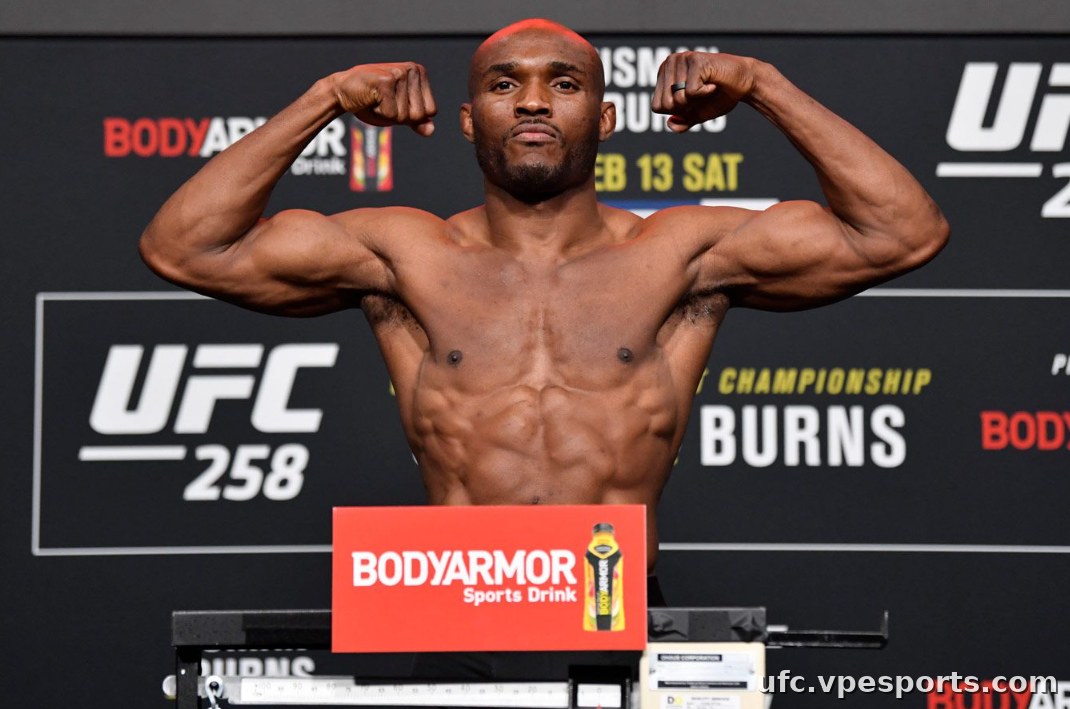
Patience became part of the game plan
Du Plessis said the work prepared by his coaches appeared in every round. He felt composed, believed the strategy operated as intended and was particularly pleased with his wrestling defense. Usman managed to bring him down once, but could not establish lasting control. For du Plessis, returning to his feet supported an important claim after the loss of his title: an opponent can complete the first step of a takedown without keeping him there.
The striking sequences supplied another test. Du Plessis rocked Usman more than once and recognized opportunities to force a finish. Rather than emptying his attack, he reset and continued to work. He later argued that several of those moments could have become stoppage attempts. The choice to preserve position was deliberate. His phrase for that development was a new version of Stillknocks, built around composure rather than constant disorder.
Usman’s survival also shaped the winner’s account. Du Plessis was impressed by how quickly the former welterweight champion recovered after being hurt. That durability made chasing every opening especially risky, because an unsuccessful burst could have surrendered the balance of a round or created a wrestling exchange on worse terms. The official decision confirmed that patience did not cost du Plessis the fight; it allowed him to carry a consistent advantage through the scheduled distance.
Respect replaced an old argument
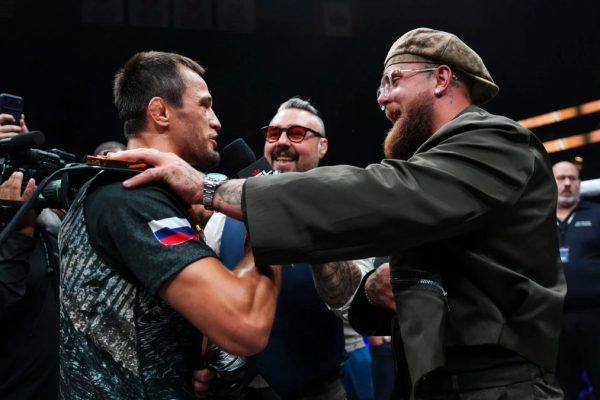
The post-fight discussion moved beyond tactics when du Plessis addressed the history surrounding African champions in the UFC. Earlier comments involving him, Usman and Israel Adesanya had produced a public dispute over representation. After sharing five rounds with Usman — and having previously competed against Adesanya — du Plessis rejected the idea that hostility remained. He said the athletes represent the same continent proudly and described both former champions with respect.
Oklahoma City hosted only the second UFC main event pairing two African fighters, according to du Plessis. He noted that he had participated in both. That context mattered more to him after the contest than reviving arguments over who could claim a particular symbolic status. He characterized the meeting with Usman as a sporting contest between two men carrying continental pride, not an extension of personal animosity.
Du Plessis also stated his competitive objective directly. This was his first win after Khamzat Chimaev took the middleweight championship from him at UFC 319. He wants another title opportunity and dismissed a straight return bout for Chimaev. He instead placed himself in the discussion around current champion Sean Strickland, pointing to their prior meetings. That is advocacy from a former champion, not confirmation from the UFC. No next booking was announced in his comments.
- Du Plessis viewed controlled follow-up attacks as evidence of improvement rather than a missed finish.
- One Usman takedown ended without sustained control, a sequence the winner wanted to display.
- He dismissed lingering personal hostility involving Usman and Adesanya and emphasized shared African representation.
| Post-fight subject | Du Plessis’ position |
|---|---|
| Performance | The planned tactics and calmer decisions showed development |
| Future | He asked to return to the championship picture but received no confirmed opponent |
The meaningful update from du Plessis is therefore not another retelling of the scorecards. It is his explanation of what he wanted the performance to prove. He emerged with a win, demonstrated that a takedown did not guarantee control and declined to sacrifice the plan when Usman was hurt. Whether that case produces a title shot belongs to the matchmakers. The evidence he wanted on film — discipline under pressure — is already there.
Fight Talk
Share your take on this story
Start the Conversation
Be the first to share your take. Discuss the fight, reactions, and predictions with other fans.