

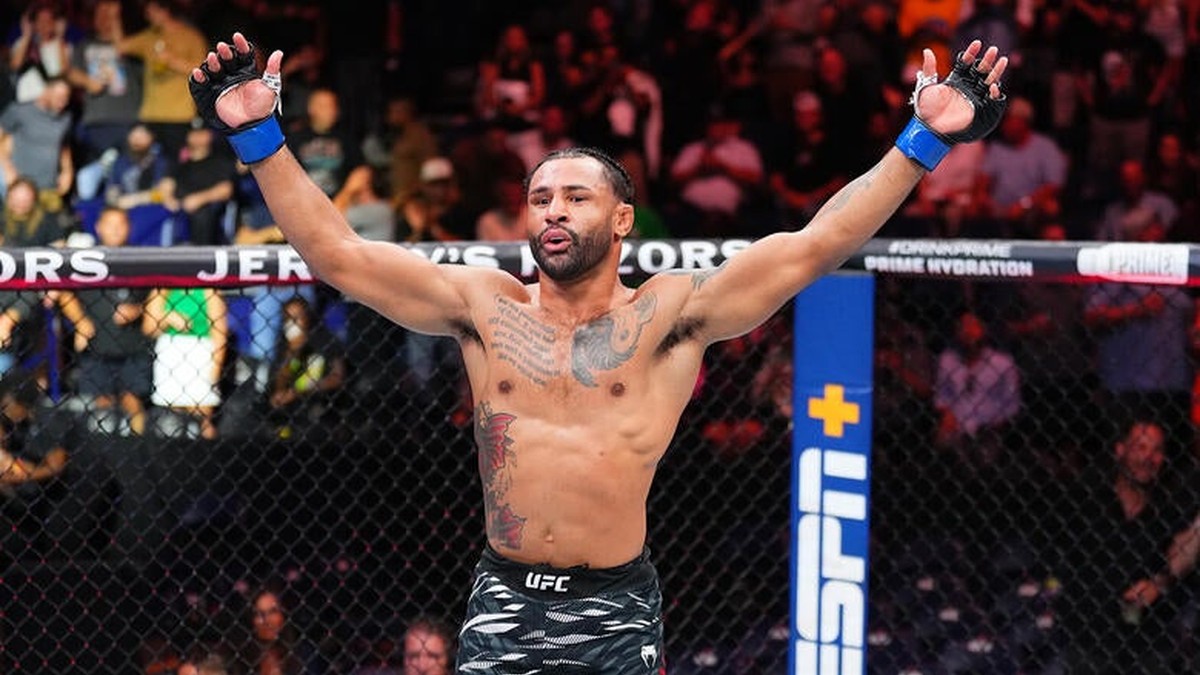
Mike Davis has apologized to Nurullo Aliev after an emotional outburst following their UFC Abu Dhabi bout. Davis addressed Aliev directly in a message after the loss, saying he hoped his opponent would see it and recognizing the sportsmanship Aliev showed at the end of the fight. The apology arrived after Davis voiced intense frustration about the contest and the style of fighting he believed unfolded from bell to bell.
Davis did not present his message as a reversal of every feeling he had about the bout. Instead, he separated his disappointment with the fight from his assessment of Aliev’s conduct afterward. He described Aliev as a nice guy and called his post-fight sportsmanship amazing, while also saying that, in the heat of the moment, he was severely disappointed in himself. That wording makes the central development clear: Davis took responsibility for the tone of his reaction while continuing to explain why the result left him upset. In the same message, Davis said he had flown out to help the UFC while sick and injured. That was presented as Davis’ own account of the circumstances surrounding his appearance, not as an independently established explanation for the loss. His comments also centered on what he called stalling, arguing that holding on without separating to strike should not be considered meaningful wrestling. The apology therefore addressed an immediate conflict after the fight, while leaving Davis’ competitive frustration plainly intact.
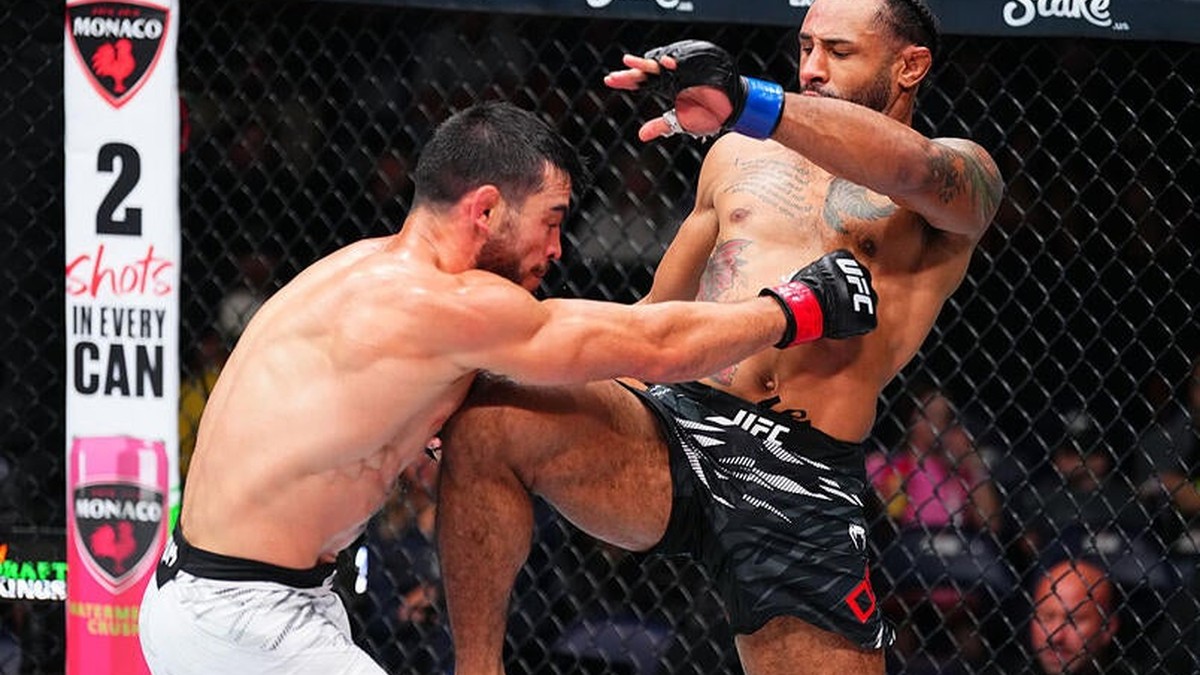
Davis recognizes Aliev’s sportsmanship
The most significant part of Davis’ follow-up was his direct acknowledgment of Aliev. Davis wrote to his opponent by name and said Aliev had been a nice guy in the end. He also praised the sportsmanship shown after their fight. In a moment shaped by anger and disappointment, that recognition gave Davis’ message a clear corrective purpose: he was not directing his regret at the result alone, but at the way he reacted after it. Davis said he was disappointed in himself in the heat of the moment. That is important because his initial reaction included broad criticism of the kind of grappling exchange he believed took place. His later words did not erase that criticism, but they did identify a boundary between attacking the experience of the fight and acknowledging the person across from him. Aliev’s role in the account remains limited to the opponent Davis lost to and the athlete whose sportsmanship Davis specifically recognized.
Davis’ frustration was rooted in his view that neither fighter had done enough in certain moments to establish who had been dominated. He questioned how a fight could be won through what he characterized as stalling and said Aliev held onto him from bell to bell. Davis also said he gave Aliev an opportunity to break away and strike, but believed that opportunity was not taken. Those statements remain Davis’ interpretation of the action. The supplied account does not provide scoring details, round-by-round analysis, official comments, statistics, or any additional explanation of the decision. What it does establish is the sequence of Davis’ public response: a loss to Aliev, a heated reaction focused on grappling and control, and then an apology that specifically credited Aliev’s behavior after the contest. That chronology helps place the apology in context without treating Davis’ criticism as a confirmed technical verdict on the fight.
What Davis said he regretted
Davis’ message contained two tracks that can be read together without confusing them. First, he expressed regret over his own behavior and said he was severely disappointed in himself. Second, he maintained that he found the fight embarrassing because he believed control without meaningful separation or striking had decided the outcome. The apology was directed toward Aliev personally, while the complaint was directed at Davis’ understanding of how the fight played out. That distinction matters because an apology after a fight can be misunderstood as a complete withdrawal of every competitive complaint. Davis did not frame it that way. He praised Aliev’s sportsmanship, called him a nice guy, and said his earlier emotional state had affected his response. At the same time, he continued to describe the contest as one in which he felt held onto throughout. The available material supports both parts of that account, but does not establish any wider consequence for Davis, Aliev, or the UFC.
- Davis apologized directly to Nurullo Aliev and praised the sportsmanship Aliev showed after the bout.
- Davis continued to express frustration with what he described as stalling and sustained holding during the fight.
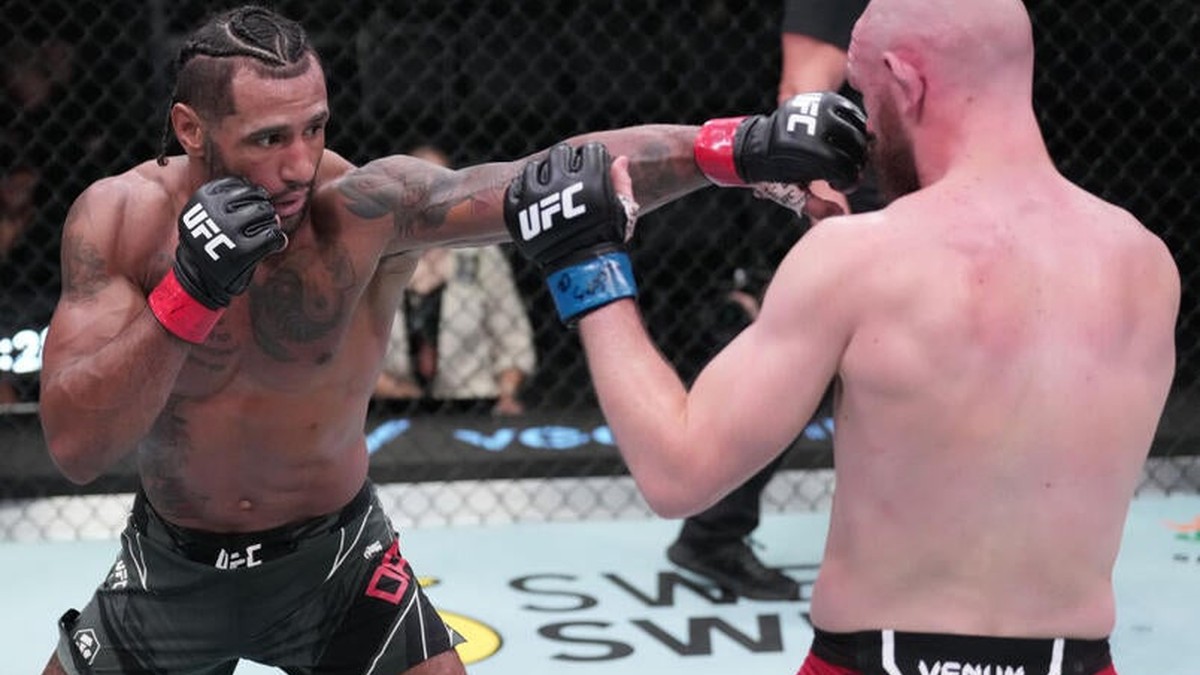
| Moment | Confirmed detail from Davis’ message |
|---|---|
| After the loss | Davis addressed Aliev and said he hoped his opponent would see the apology. |
| Reflecting on the fight | Davis said he was disappointed in himself while criticizing what he viewed as stalling. |
Mike Davis’ post-fight message after UFC Abu Dhabi was not simply a complaint about a loss. It was also an acknowledgment that his reaction went beyond the opponent who had just beaten him. By crediting Nurullo Aliev’s sportsmanship and expressing disappointment in himself, Davis made a direct effort to correct the personal side of the outburst. His frustration with the fight remained, but the apology clarified that he did not place that frustration on Aliev’s conduct after the final bell.
Sources: Sherdog
Fight Talk
Share your take on this story
Start the Conversation
Be the first to share your take. Discuss the fight, reactions, and predictions with other fans.