

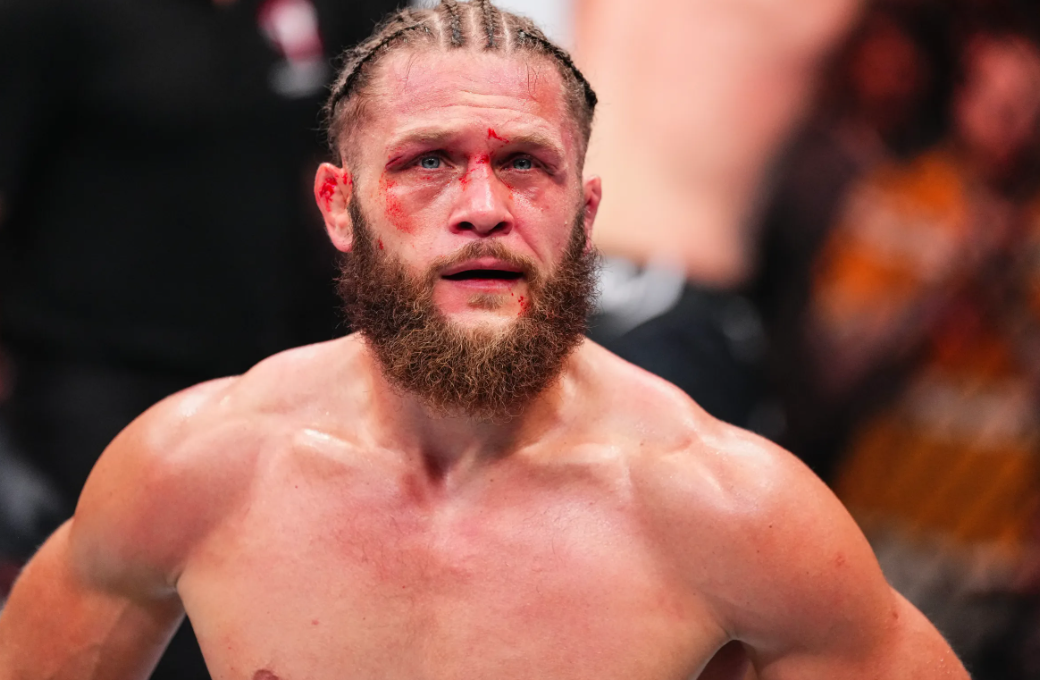
Rafael Fiziev’s career never felt polished in the soft way. Even now, when people already know his name, there is still something raw about the whole story. That starts with where he came from. Fiziev was born in Kazakhstan, grew up in Kyrgyzstan, has Azerbaijani roots, later represented Azerbaijan, and built a fighting life that never really sat inside one simple box. He was not raised in one clean sports system with one easy identity and one straight road forward. His early life had movement in it, tension in it, and the kind of mixed cultural atmosphere that can either confuse a young athlete or make him tougher. In his case, it clearly made him tougher.
He grew up around a life that was more practical than glamorous. This is important with Fiziev. Before the bright lights, before the viral clips, before people started calling him one of the most watchable strikers in the lightweight division, he was just a young man in a hard region trying to build himself through discipline. He studied at the Police Academy in Kyrgyzstan. He worked as a police officer. That detail matters because it tells you something about the shape of his early adulthood. This was not a fighter drifting from hobby to hobby until fame found him. This was a man doing real work, living a structured life, and building combat skill in parallel until the sport became too big to keep on the side.
The atmosphere around his youth also explains a lot about how he fights. Fiziev did not come into combat sports looking for comfort. He came in through striking, through Muay Thai and kickboxing, in places where you either learn to stay sharp or get humbled quickly. He had that kind of education. Hard pads. Hard sparring. Hard corners. Long rounds. No fake confidence. No pretty little version of striking where everything is about style and nothing is about pain. His style later became beautiful in its own way, but it was always built on something much more serious than showmanship.
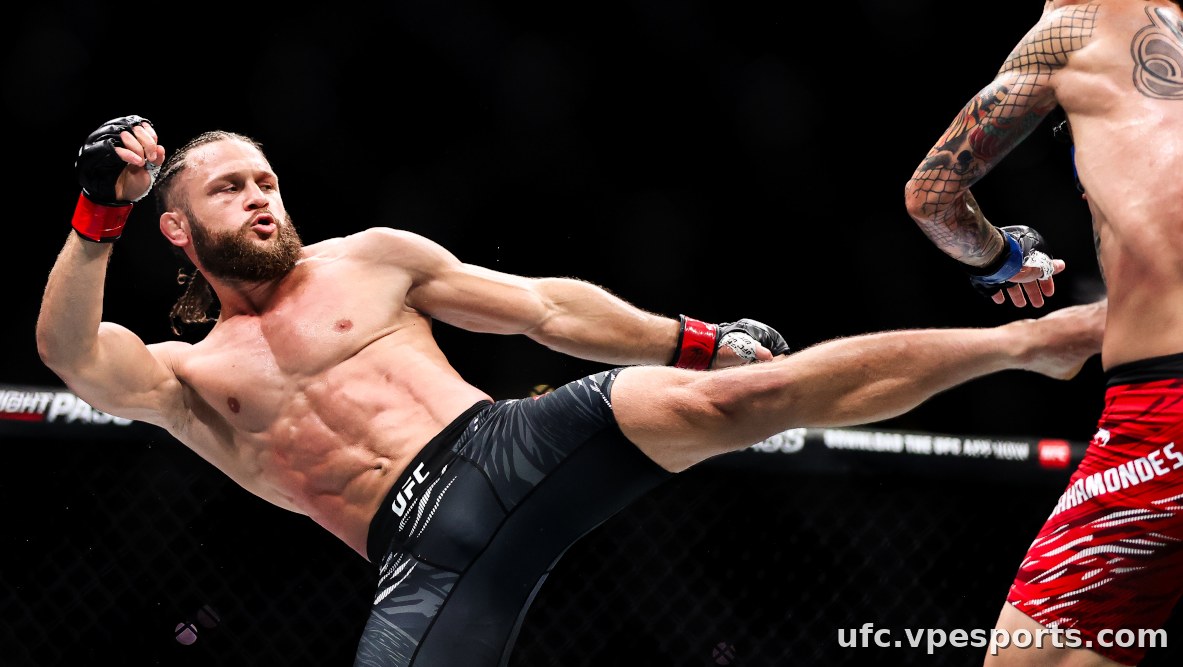
When people first started noticing him in the wider fight world, they usually saw the flash before they saw the years behind it. They saw the quick hips, the body kicks, the hand speed, the defensive head movement and the way he could make exchanges look playful without ever losing the threat inside them. But the real story is that none of that came easy. He had to build it in an environment where striking was not decoration. It was a survival skill and a craft. He spent years in Thailand too, and that changed him. Thailand did what Thailand often does to serious fighters. It stripped away the fake parts. It gave him sharper rhythm, deeper confidence in his striking, and a stronger understanding of what it means to live the sport every day instead of only training in it.
Rafael Fiziev rise in UFC
That is one reason why Fiziev’s style later felt so alive in the UFC. He was not throwing technique like a man who learned combinations in short modern camps. He was throwing like someone who had marinated inside striking for years. He knew how to kick with purpose. He knew how to exit a pocket with style without turning it into nonsense. He knew how to make a crowd react without losing the fight’s shape. Fighters like that are rare. A lot of strikers look good until the cage turns ugly. Fiziev usually looked even more interesting once the exchanges got tense.
Before the UFC, he was already building a respectable record in MMA while carrying all that stand-up history with him. And that was the first big question around his career. Could this kind of striker really hold up in full MMA? That question follows almost every pure stand-up talent into the cage. It followed him too. Not because he was weak. Because the sport is cruel. Great strikers get wrestled. Great kickboxers get trapped. Great athletes get exposed if their game is too narrow. Fiziev had to prove he was not one of those men.
His UFC debut did not make that easy. Magomed Mustafaev knocked him out with a spinning back kick and punches in 2019. That was a bad start, and not the kind of bad start people quickly forget. A debut loss always hangs there a little. A debut knockout hangs even longer. It gives doubters something to hold onto. It makes every next performance feel like a response whether the fighter wants it to or not. Fiziev had to carry that almost immediately.
The good thing for him was that the loss did not change who he was. It sharpened him. That matters. Some fighters react to a knockout by becoming a little too careful. Fiziev did not stop being himself. He just became harder to catch in the same easy way. That is one of the best signs in a serious fighter. The setback teaches him without stealing the identity that made him dangerous in the first place.
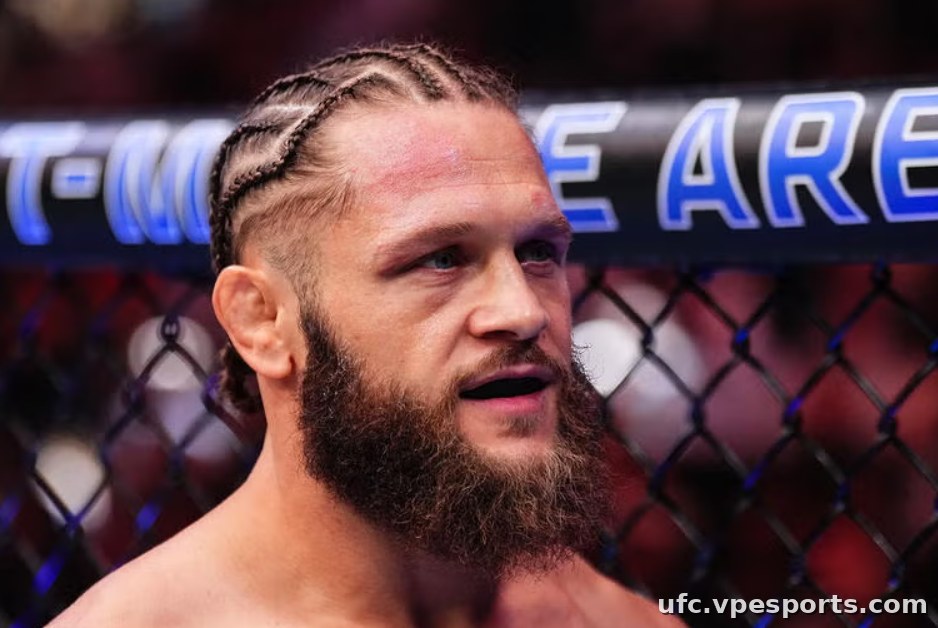
From there, the UFC run started to take shape in a much more interesting way. He beat Alex White. Then came Marc Diakiese in a fight that told people a lot. It was not just the win. It was the style. The confidence. The rhythm. The now-famous “Matrix” lean away from a head kick. That moment travelled everywhere, but it did more than create a clip. It showed that Fiziev had something fans always notice fast. He was fun without being reckless. He could entertain while still looking like a serious technician. That is a valuable mix in the UFC.
The run kept moving. Renato Moicano got stopped. Bobby Green gave him a hard, intelligent fight and still lost. Brad Riddell pushed him into a real battle, and Fiziev knocked him out late. By then the lightweight division had started treating him differently. He was not just a flashy striker anymore. He was becoming one of the names people actually wanted to watch because his fights felt alive before they even began. He had the style for that. More importantly, he had the nerve for it.
The Rafael dos Anjos fight was another big step. That matchup was not easy. RDA had too much experience, too much grit and too much old-man strength to be treated like a gate that opens just because the younger fighter is exciting. Fiziev beat him and finished him late. That win mattered because it gave the career something more solid than buzz. It gave it respect. When you beat a man like dos Anjos, people stop asking if you are real. They start asking how high you can go.
There is something else worth saying here. Fiziev’s rise was not the rise of a man hiding inside easy fights. Lightweight does not really allow that anyway. The names there are too dangerous, too skilled and too varied. And his own style made things harder too. If you are exciting in that division, you get difficult work. The UFC is happy to let that kind of fighter sort himself out in public. Fiziev had to do exactly that.
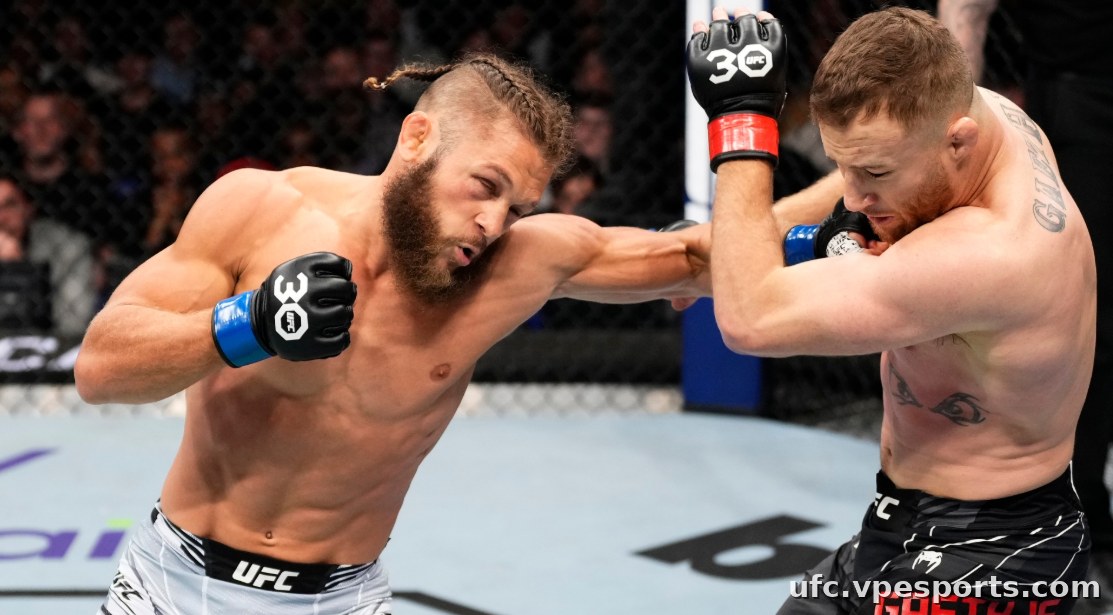
Then came Justin Gaethje in 2023. And that fight says a lot about why Rafael Fiziev still matters so much even with losses on his record. He lost the decision, yes. But he also gave people one of the best and most violent fights of that year. He did not fold under the moment. He did not fight scared. He met Gaethje where the danger lived and stayed there. That type of loss can still grow a career if the fighter looks like he belongs in that room. Fiziev did.
That is part of his story too. Not every important fight in a great career ends with the right hand raised. Sometimes the fight matters because it tells people the level is real. The Gaethje fight did that. It made clear that Fiziev was not just a highlight machine working his way through the middle of the rankings. He was capable of standing in one of the nastiest lightweight fights available and looking like he belonged there from the first minute.
Fiziev biggest fights
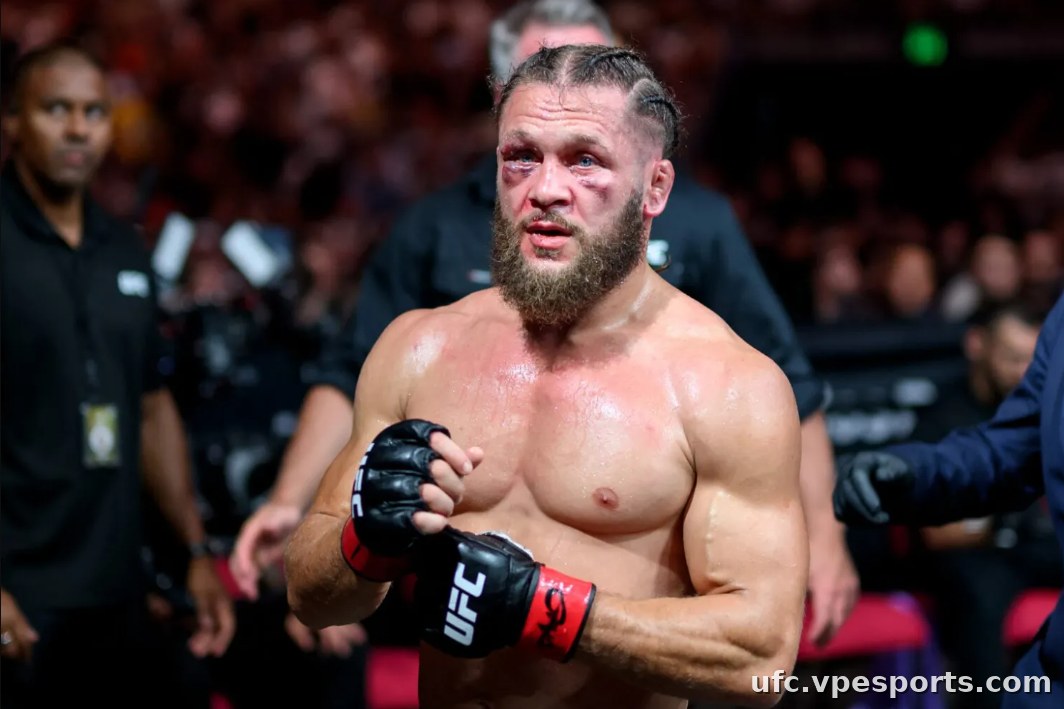
If you want to understand Rafael Fiziev’s career, the biggest fights do most of the explaining for you. Marc Diakiese showed the flair. Brad Riddell showed the finishing instinct in a hard fight. Rafael dos Anjos showed the serious contender side. Justin Gaethje showed the championship-adjacent level even in defeat. And then Mateusz Gamrot showed the crueler side of the sport.
The Gamrot fight is one of the most important nights in his story because of how much it took from him. It was not just another loss. It was the torn ACL in his left knee. That kind of injury changes careers. It changes training. It changes timing. It changes the way a fighter trusts his own body in transitions, in resets, in pivots, in scrambles, in every hard movement that used to happen without thought. That injury stopped his momentum at exactly the wrong time.
And this is where Fiziev’s career gets more human and more painful. A lot of fans only really see fighters on fight night. They do not see the months where a man has to rebuild simple confidence in his own leg. They do not see the two-a-day rehab, the boredom, the fear of a second injury, the doubt that shows up when the room goes quiet. Fiziev had to live through that. Eighteen months is a long time in this sport. Divisions move. New names jump the line. Old noise disappears. You are left hoping your body will still let you be yourself when the cage comes back.
He returned in 2025 on short notice against Gaethje again. That is another very Fiziev detail. He did not come back gently. He came back into fire. He lost the rematch, but he fought hard, stayed in it, and reminded people that the style and the courage had not vanished during the layoff. Then came Ignacio Bahamondes in Baku, and finally the long wait for a win ended. That night mattered because it stopped the losing streak and gave him something real again. Not a speech. Not a promise. A win.
| Career stage | What it meant |
|---|---|
| Muay Thai and police years | Built the discipline, toughness and striking base that shaped his whole style |
| UFC debut loss | Taught him quickly that talent alone would not protect him in MMA |
| Breakout wins | Turned him from an entertaining striker into a real lightweight contender |
| Gaethje fight | Showed he belonged at a much higher level even in defeat |
| Gamrot injury and comeback | Gave his career a much harder second chapter built around rehab and trust |
There is another piece to Fiziev’s life that makes his career feel a little bigger than just wins and losses. He is one of those fighters who always carried multiple identities at once. Born in Kazakhstan. Raised in Kyrgyzstan. Fighting out of Thailand for years. Representing Azerbaijan. That kind of life can make a person feel rootless if he does not know who he is. In Fiziev’s case it seems to have done the opposite. It made him tougher and clearer. He never came off as a man confused by where he belonged. He came off as a man who knew exactly who he was and did not need the world to simplify it for him.
That probably helped when the harder parts of the sport arrived. He has had visa issues. He has had canceled plans. He has had injuries at awful times. He has had the frustration of building real momentum and then watching a knee tear rip the whole rhythm apart. Those things can make a career feel fragile if the person living it is fragile too. Fiziev has never felt fragile. Emotional sometimes, yes. Honest, yes. But not fragile. That is why people still buy into him so quickly once the next fight gets close.
And the money side of the story fits that same broad picture. No one outside his team and the UFC knows the exact number. Public “net worth” estimates are always a little messy. But it is fair to say he has turned fighting into a real life for himself. The usual public estimates put him somewhere around one to two million dollars. That may be off either way, but it gives the right scale. He is not some untouchable superstar making cartoon money. He is a high-level UFC fighter who has earned a good living through skill, violence, bonuses, visibility and years of staying relevant in one of the hardest divisions in the sport.
Rafael Fiziev after the injury
The most interesting thing about his career now is that it still feels open. A lot of fighters get defined too early. With Fiziev, there is still movement in the story. He is not only the flashy striker from the Matrix clip. He is not only the man who lost a war to Gaethje. He is not only the fighter whose knee gave out against Gamrot. He is all of those things at once, which is why the next chapter still matters.
He also feels like one of those lightweights who can still change the shape of a card the second the matchup is right. That matters. Some fighters are respected, but the audience does not feel urgency around them. Fiziev still has urgency. Fans want to see what happens when he meets another dangerous striker. They want to see if he can put together a clean run again. They want to see how much of the old explosiveness is still there after the knee problems. They want answers, and that means the career is still alive in the right way.
- Fiziev came from a hard, mixed background and built himself through striking and discipline.
- He worked real jobs before the UFC money arrived.
- His rise was built on style, but also on very serious wins.
- The knee injury changed his path, but it did not end the story.
The best way to describe Rafael Fiziev’s career is probably this: it has never been boring, and it has never been clean. That is not a criticism. It is why people remember him. He has style, but his story is not all style. He has flash, but his life in the sport has involved too much hard work, too much pain and too many setbacks to ever reduce him to that. He is a fighter who built something real from hard places, then had to keep rebuilding it once the sport started taking pieces back.
That is a serious career. And if the next stretch goes well, people will probably remember the knee injury as the middle of the story, not the part that cut the ceiling off it. With Rafael Fiziev, that still feels possible. That is why people keep watching.
Fight Talk
Share your take on this story
Start the Conversation
Be the first to share your take. Discuss the fight, reactions, and predictions with other fans.