

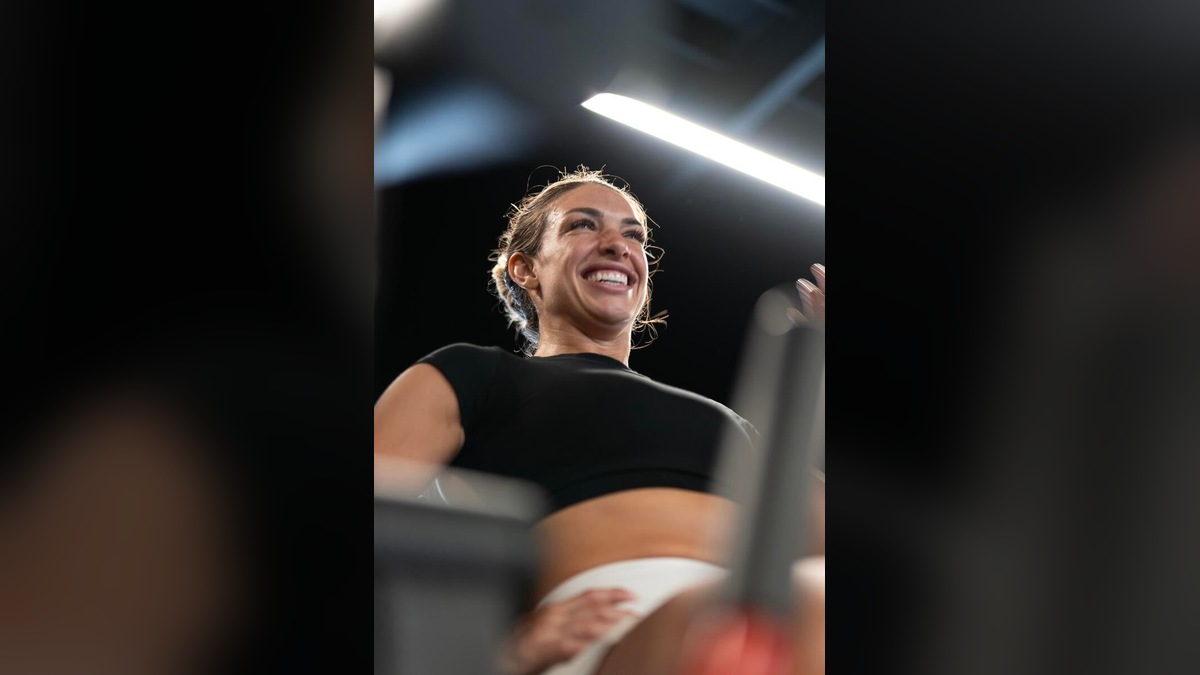
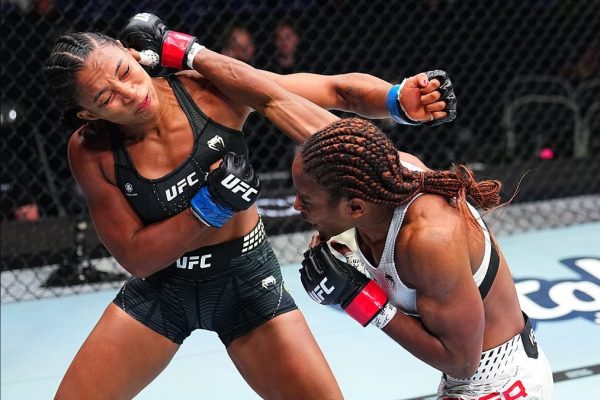
Mackenzie Dern believes the controversy that followed UFC 330 should never have become a public judgment on Gillian Robertson. After defending the strawweight title against Robertson, Dern was asked about longtime coach and analyst Din Thomas announcing that he was stepping away from cornering. Thomas made the announcement during the post-fight show and linked it to how far he believed he could take Robertson. Dern’s objection was aimed at the way the message was delivered. She felt a private conversation would have respected the fighter and kept the attention on Robertson’s achievement in reaching a UFC title fight.
Dern did not argue that Thomas had to continue coaching or that every partnership must survive a difficult result. Her point was narrower: a coach can decide to leave without making an athlete’s ceiling part of the public explanation. Thomas later apologized, although he continued to stand by his decision to stop cornering. That sequence left Dern unconvinced that the underlying view had changed. For her, the problem was not simply one awkward sentence after a fight. It was that Robertson’s biggest stage was followed immediately by a discussion that shifted the story away from the challenger and toward her coach.
The timing matters. UFC 330 was Robertson’s opportunity to challenge for the strawweight championship, while Dern entered the Philadelphia co-main event for her first defense of the belt. Robertson lost, but the result did not erase the route that had taken her to a title fight. The source notes that Thomas had worked in her corner throughout her UFC career and had been present for recent wins over Amanda Lemos, Marina Rodriguez and Michelle Waterson-Gomez. That long partnership made the public announcement more personal than a routine retirement notice.
Dern’s response kept Robertson’s career in view. She pointed to the challenger’s record-setting progress and the fact that Robertson had reached championship level without arriving from the same kind of background that shaped Dern’s own career. Dern was not offering a technical review of the five-round fight or promising what Robertson would do next. She was pushing back against the idea that one title-fight loss should be used in public to define the limit of a fighter’s future.

Why Dern objected to the public message
Dern said Thomas could have spoken to Robertson directly if he wanted to end their coaching relationship. In her view, personal reasons for a split could remain between coach and athlete instead of becoming material for a post-fight broadcast. That distinction is important because Dern did not criticize retirement as a career choice. She criticized attaching the decision to Robertson’s perceived ceiling while the loss was still the immediate story.
Thomas’s apology did not fully settle the issue for Dern. He expressed regret over the backlash-producing remarks but maintained that he was done cornering. Dern’s reading was that the apology changed the tone more than the underlying conclusion. She summarized the effect by saying the episode had become more about him than her. In practical terms, the coach’s announcement took attention away from the woman who had just competed for a UFC championship and redirected it toward his future and his assessment of her.
There is also a difference between analyzing a performance and assigning a permanent limit to an athlete. A coach or analyst can discuss what went wrong without presenting the result as proof of the furthest point a fighter can reach. Dern’s comments were a reminder that Robertson had already done something significant by earning the title opportunity. The public conversation after UFC 330 risked treating that achievement as evidence against her rather than part of a career that had advanced through several important wins.
Dern’s position carried added weight because she had shared the Octagon with Robertson only moments before the controversy developed. She could acknowledge the competitive outcome and still defend the challenger’s right to have the coach-athlete discussion handled with care. Her response avoided speaking for Robertson about whether the partnership should continue. Instead, it focused on professional etiquette and on who should control the timing of a deeply personal career conversation.
What the UFC 330 timeline confirms
The confirmed sequence is straightforward. Robertson reached a UFC title fight after a run that included notable victories. Dern defended the strawweight championship in Philadelphia. Thomas then announced on the post-fight show that he was retiring from cornering and connected the decision to his view of Robertson’s development. He later apologized for the remarks while keeping his retirement decision in place. Dern responded afterward and questioned why the matter had been made public.
Nothing in Dern’s comments establishes Robertson’s next coach, next opponent or future place in the division. It also does not turn Dern into a participant in the coaching split. Her role in the news is clear and limited: she defended the fighter she had just beaten from a public assessment that she believed should have remained private. That is a more precise account than treating Dern’s reaction as a demand that Thomas reverse his retirement.
- Dern objected to discussing Robertson’s perceived career ceiling publicly after the UFC 330 title fight.
- Thomas apologized for his comments but continued to stand by his decision to stop cornering fighters.
- Dern emphasized Robertson’s achievement in reaching a UFC championship bout and building a record-setting career.
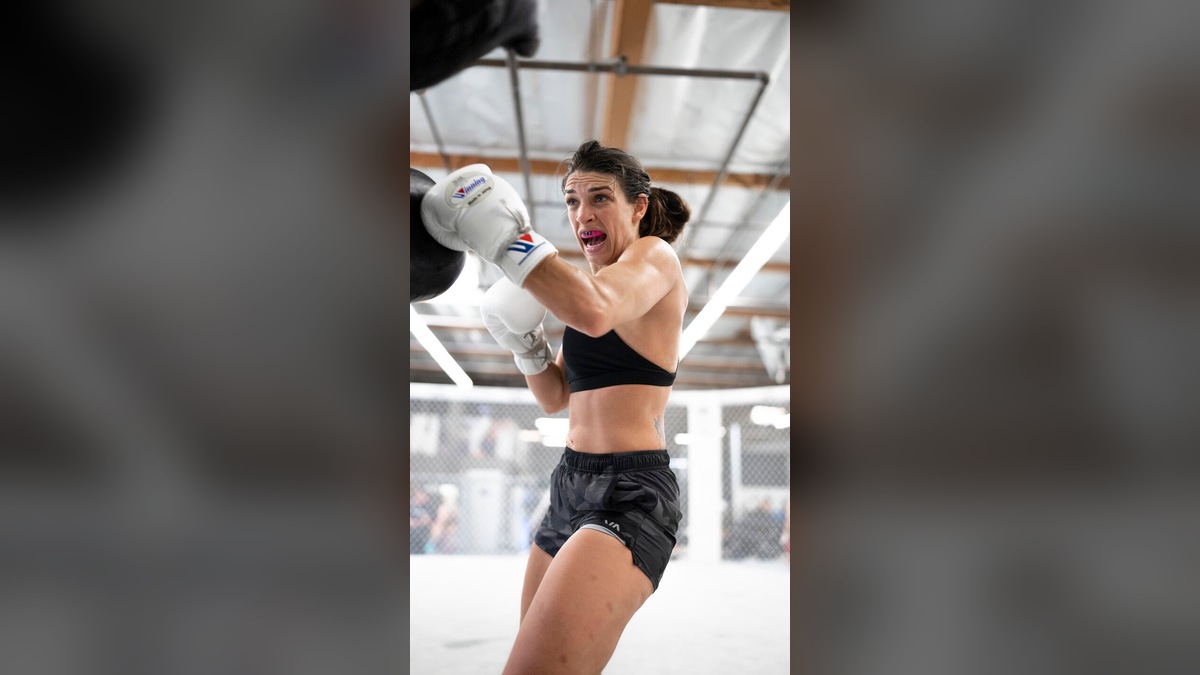
| Stage of the story | Confirmed development |
|---|---|
| UFC 330 | Dern defended the strawweight title against Robertson in the Philadelphia co-main event. |
| Post-fight show | Thomas announced his retirement from cornering and discussed how far he believed he could take Robertson. |
| Later response | Dern said the matter should have been handled privately and kept the focus on Robertson’s achievement. |
Mackenzie Dern’s criticism was not a prediction about Gillian Robertson’s future and not an order for Din Thomas to keep coaching. It was a defense of how an athlete should be treated after a difficult night. Robertson had earned a UFC title opportunity, and Dern believed any decision to end the coaching relationship could have been discussed away from the broadcast. By making that distinction, the champion brought the story back to the person whose career had been publicly evaluated before she had time to move on from UFC 330.
Sources: BJPenn; UFC.com
Fight Talk
Share your take on this story
Start the Conversation
Be the first to share your take. Discuss the fight, reactions, and predictions with other fans.