

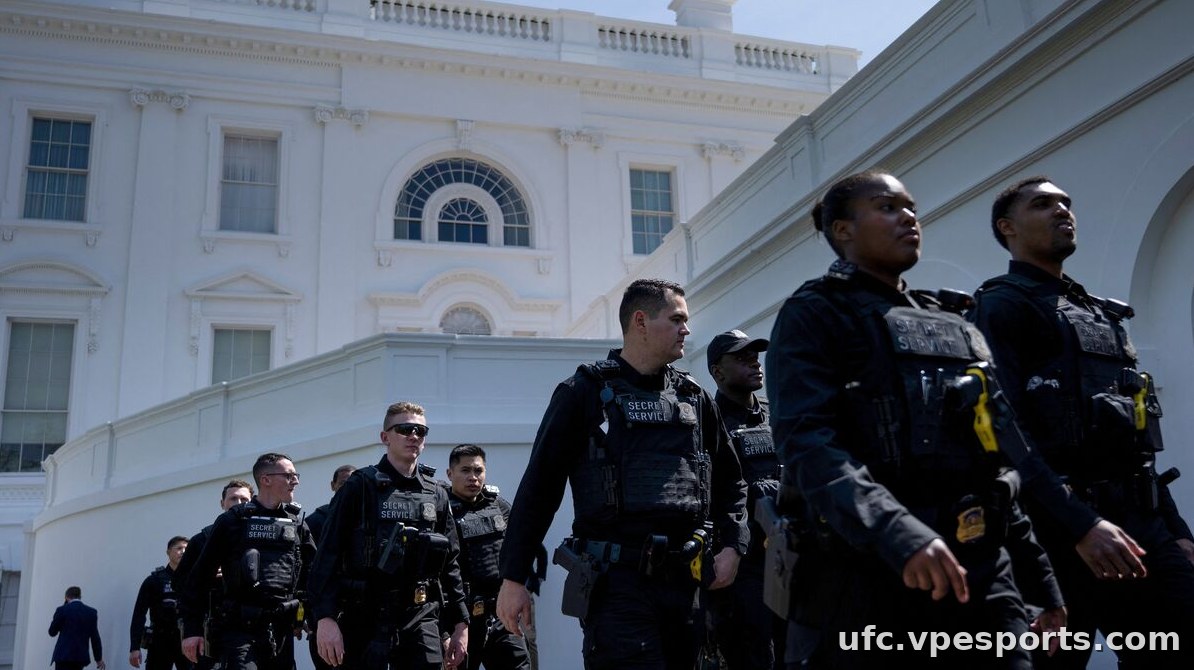
The UFC White House card was already built to feel different from a normal fight night. Now it sounds different too. The promotion’s June 14 event on the South Lawn is expected to operate under SEAR 1 security, the same top-tier federal event classification used for occasions with major national importance. That is not routine fight-week language. That is the kind of designation that changes the feel of the entire show before a single glove is touched.
This event was never going to be treated like a standard outdoor card with a famous backdrop. The setting alone made that impossible. You are talking about a UFC event on White House grounds, invited guests only inside the main seating area, massive federal coordination around the site, and a nearby fan zone at the Ellipse that could draw up to 90,000 people. Once the scope got that big, the card stopped being only a sports story. It became an operations story too, and that gives the whole event another layer of weight going into summer.
That matters because the UFC has already loaded the card with fights that were supposed to make it feel oversized. Ilia Topuria is set to headline against Justin Gaethje for the undisputed lightweight title. Alex Pereira is lined up to face Ciryl Gane in a fight that could push him into a piece of history if he wins a third UFC title in a new division. Sean O’Malley is on the show. Mauricio Ruffy is on the show. Bo Nickal is on the show. Derrick Lewis is on the show. The company was clearly trying to build a card that looked enormous on paper. The new security update shows the event is being treated that way far beyond matchmaking as well.
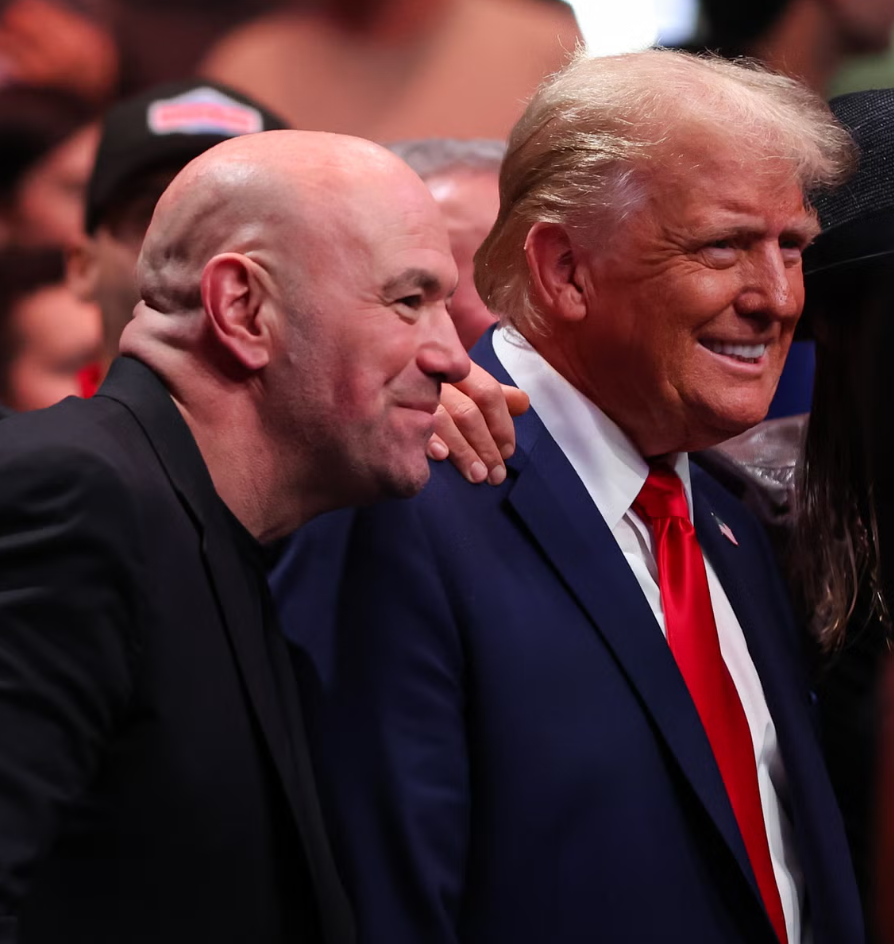
Why the UFC White House card suddenly feels even bigger than a normal mega-event
SEAR 1 is not some decorative label that gets thrown around to make a headline sound dramatic. It is the highest Special Event Assessment Rating level used by the Department of Homeland Security for events that require extensive federal interagency support. That can include explosive-detection teams, cyber risk work, screening units, intelligence support, air security measures, and a federal coordination structure working with local authorities. Once an event moves into that territory, it tells you the scale has changed. The White House card is no longer being framed only as a major UFC date. It is being treated as a nationally significant live event.
That shift says a lot about what this card has become. UFC has done stadium shows, international pay-per-views, title doubleheaders, and massive tourist-destination cards. But this one is being built around a venue that completely changes the rules. Access is tighter. Optics are bigger. The margin for anything going wrong gets smaller. A normal event can survive chaos and still move on. This one cannot really afford that. Every piece of it, from fighter movement to fan screening to the surrounding public footprint, is going to be watched more closely than what the UFC usually deals with.
There is also a sports side to this that makes the update hit harder. Topuria vs. Gaethje was already one of those fights that could sell itself through violence alone. Pereira vs. Gane adds another giant hook because it drags two divisions into the same night and gives Pereira a chance to do something the UFC has never seen before. That kind of card was always going to attract noise. Add federal-level security and a giant public viewing area into the mix, and suddenly the event feels less like a premium UFC show and more like a full national spectacle with fights attached to it.
That does not automatically make the card better inside the cage. Security does not win exchanges, stop takedowns, or survive body kicks. But it does change the atmosphere around the event. Fighters are going to walk into something that feels heavier than a normal pay-per-view. Fans are going to follow a week that feels less like standard promotion and more like a controlled public operation. And that matters, because some UFC cards get bigger on paper while still feeling familiar by fight night. This one keeps moving in the opposite direction. The closer it gets, the less it resembles anything the company usually puts on.
A lot of outdoor events in combat sports get talked up as historic before the details catch up. This one keeps doing the opposite. The details are making it look even more serious. First came the venue. Then came the card build. Then came the schedule around the free fan access nearby. Now comes confirmation that the federal side is preparing for it at the highest event level. That is not fake scale. That is real scale.
The UFC has spent years trying to turn certain cards into moments bigger than the fights themselves. Sometimes it works. Sometimes it feels forced. This one does not need much help. The setting already carries enough political, cultural, and visual weight to separate it from the rest of the calendar. The security update just underlines what the company and the government already seem to understand: this is not a normal June show in Washington. It is an event that will be treated like a major national gathering first and a fight card second, even if the violence in the cage is still the main reason people tune in.
| UFC White House card key details | Current status |
|---|---|
| Event date | June 14, 2026 |
| Main event | Ilia Topuria vs. Justin Gaethje |
| Major co-feature | Alex Pereira vs. Ciryl Gane |
| Security level | SEAR 1 |
| Main site access | Invited guests only |
| Public fan destination | The Ellipse |
| Potential nearby crowd | Up to 90,000 fans |
- The card is being treated as a nationally significant event, not a standard UFC stop.
- Federal agencies are expected to be heavily involved in coordination and screening.
- The White House setting keeps making the event feel bigger as new details emerge.
Fight Talk
Share your take on this story
Start the Conversation
Be the first to share your take. Discuss the fight, reactions, and predictions with other fans.