

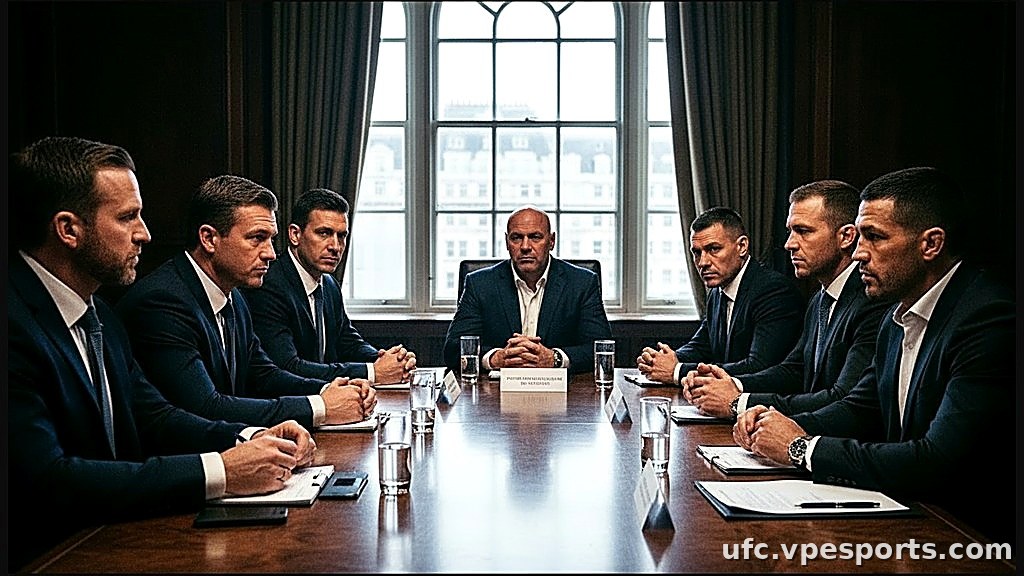
Dana White gave the shortest possible confirmation to a question that deserved the longest answer.
The UFC president was asked after UFC 329 about how the promotion supports fighters who are active or already out of the sport, a subject dragged back into view by Dustin Poirier’s recent arrest on a public intoxication charge. Poirier was released after the incident and has since spoken candidly about a rough personal stretch following the end of his fighting career.
White did not deny that the UFC has a system. He did not offer much of a map, either. When the comparison was made to WWE’s wellness structure, his answer was, “We do the same.” That was the useful part. The rest was familiar UFC opacity: the company says it helps, but the public is left to take the promoter’s word for how, when and for whom.
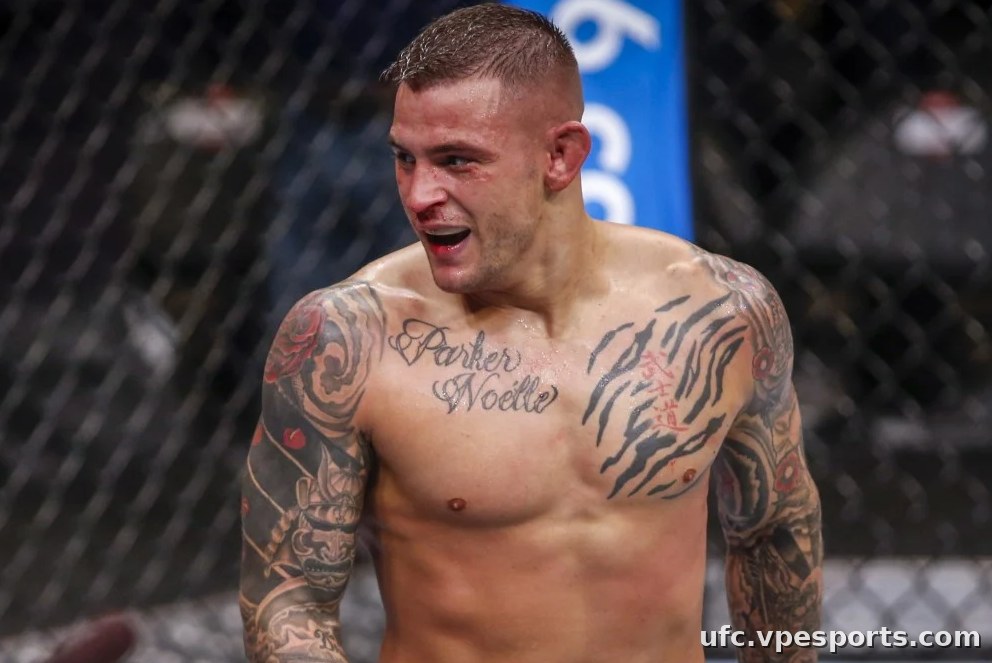
Dana White UFC wellness program response after Dustin Poirier arrest
The timing is impossible to ignore. Poirier is not a fringe name or a forgotten prelim veteran. He is a former interim UFC lightweight champion, one of the defining action fighters of his generation, and a man whose reputation was built as much on grit and honesty as on left hands and guillotines. When someone like that stumbles in retirement, the sport notices because it punctures the fantasy that toughness travels cleanly into civilian life.
White’s line was carefully protective. He said the UFC does not discuss those matters publicly and indicated that plenty of fighters deal with problems behind the scenes. That may be true, and privacy does matter when addiction, mental health, legal trouble or family issues are involved. But privacy is not the same thing as clarity. A promotion can protect individual cases while still explaining the broad shape of what help exists.
Dustin Poirier’s retirement comments put pressure on UFC fighter care
Poirier’s own public comments make the exchange more uncomfortable for the UFC. On The Diary Of A CEO, he was asked whether the promotion had a system to help fighters move out of competition and said no, adding that one should exist. He also acknowledged the familiar pattern of ex-fighters struggling after the gloves are packed away, while insisting he would not become another cautionary tale. That tension is the story: a fighter trying to be honest in real time, and a promotion offering only a closed door.
- Dustin Poirier was arrested last month on a public intoxication charge and later released.
- Dana White addressed UFC fighter support after UFC 329 when asked at the post-fight press conference.
- White confirmed the promotion helps fighters but declined to explain the program’s details.
- Cody Garbrandt had called for stronger UFC fighter care after Poirier’s situation became public.
UFC fighter support debate needs more than private assurances
The UFC has always preferred control over disclosure. That instinct helped build the company into the dominant force in MMA, but it also leaves a gap whenever fighter welfare becomes the question. Fans do not need medical files, rehab details or private phone calls. They can reasonably ask whether current and former fighters know where to go, whether help is formalized, whether retirement support is proactive, and whether the program extends beyond the names still useful on a broadcast graphic.
The stakes are bigger than one embarrassing airport incident or one clipped press-conference answer. MMA careers are violent, short and emotionally consuming, and the comedown can be brutal even for athletes who made money, won belts and kept their public image intact. If the UFC has a serious support system, explaining its basic framework would help fighters trust it and would give the promotion credit it currently asks people to assume. If the system is uneven, Poirier’s case should push the company toward something more visible, especially for athletes moving into retirement.
| Point | What is known |
|---|---|
| Central issue | UFC fighter care was questioned after Poirier’s public intoxication arrest. |
| White’s position | He said the UFC provides support but would not detail how it works. |
| Poirier’s view | He previously said there was no clear transition system for retirement. |
| Outside pressure | Cody Garbrandt publicly called for better care for fighters. |
| Privacy concern | Individual cases can remain confidential while policy basics are explained. |
| Division context | Poirier remains a major lightweight figure even after announcing retirement. |
White’s answer confirmed that the UFC says it helps its people; Poirier’s comments showed why that answer is not enough, and the latest public discussion came after UFC 329.
Fight Talk
Share your take on this story
Start the Conversation
Be the first to share your take. Discuss the fight, reactions, and predictions with other fans.