

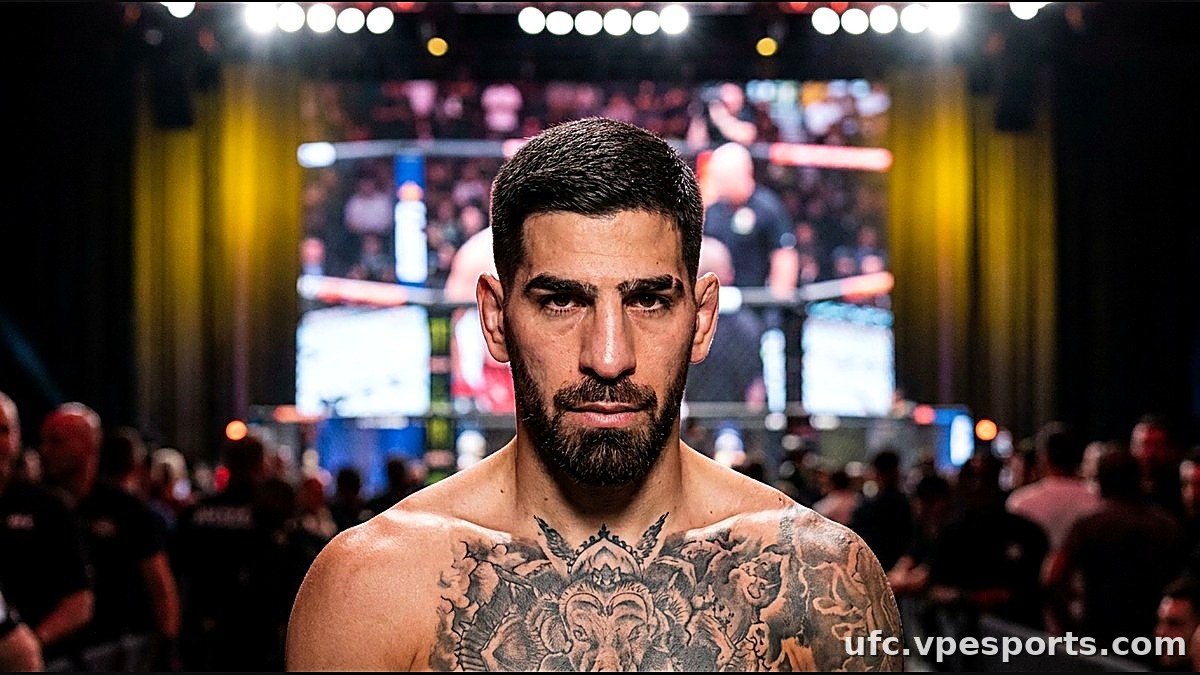
Left hands have been ruining neat fight plans forever.
Every coach in the sport has heard the complaint, usually sometime around the second week of camp: the opponent is a southpaw, the sparring looks wrong, the angles feel late, and suddenly a fighter who has spent years doing familiar work has to rewire his eyes in a hurry.
The old orthodox-versus-southpaw argument never really ends because the answer is not one clean trick. It is numbers, repetition, stance familiarity, awkward geography, and the simple fact that one side of the matchup sees the other side far more often than it is seen back.
Southpaw Fighters in MMA
The first clue is the gap between ordinary life and the cage. Left-handed people are commonly estimated at roughly one in ten worldwide, yet southpaw fighters show up in professional MMA at about twice that share. A 2013 study looking at 1,468 mixed martial artists found that southpaws were overrepresented, and the same work also indicated they were logging more career bouts on average than orthodox fighters.
That matters because it suggests southpaws are not merely drifting into MMA as a novelty. They are entering at a higher rate than the general population would predict, then sticking around long enough to build deeper professional résumés. Survival in this sport is never explained by stance alone, but a recurring edge in exposure, timing and opponent discomfort is too persistent to wave away.
Why Orthodox Fighters Feel Late
Most orthodox fighters spend their lives seeing other orthodox fighters. The jab comes from the expected lane, the rear hand travels on a familiar line, lead feet clash less often, and defensive reactions get grooved through thousands of rounds. A southpaw lives in the opposite world. Because orthodox fighters dominate the gym population, the left-sided fighter repeatedly studies that matchup from childhood gyms to professional camps, while the orthodox fighter may only get serious southpaw rounds when a bout agreement forces the issue.
- Left-handed people are believed to make up about 10% of the global population.
- Southpaw fighters account for roughly 20% of professional MMA athletes.
- A 2013 analysis of 1,468 MMA fighters found both overrepresentation and longer average careers for southpaws.
- University of Manchester research across nearly 10,000 boxers and MMA fighters found a small 53-54% edge for southpaws in its test.
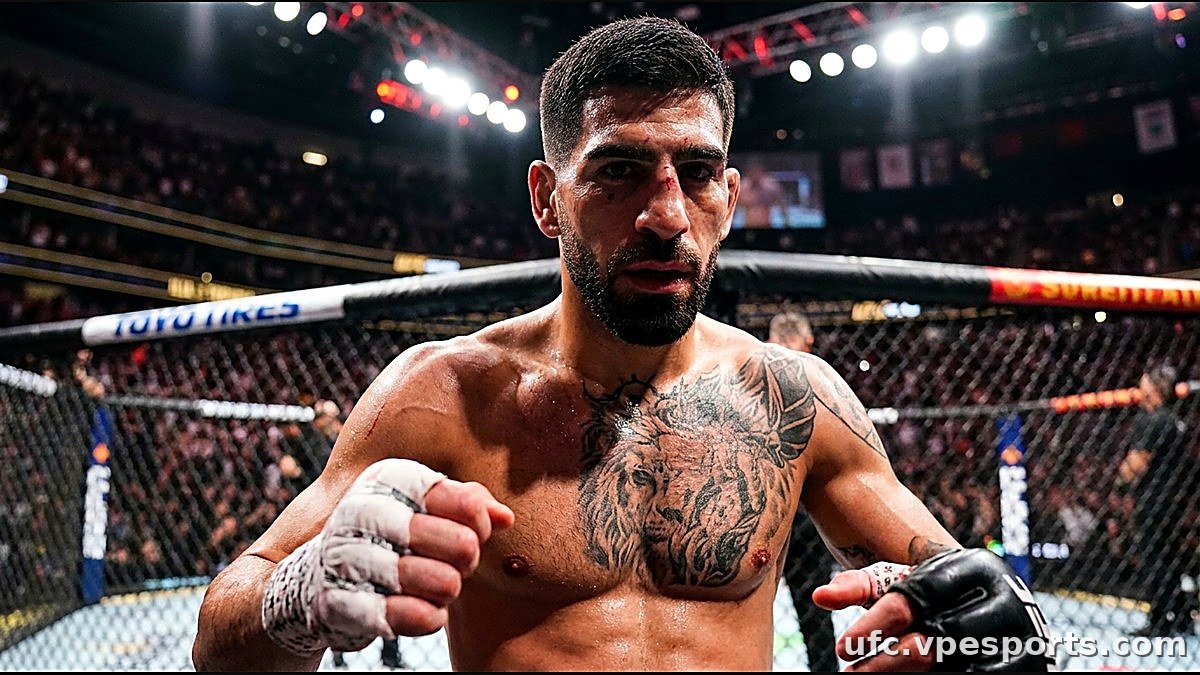
Southpaw Advantage Explained
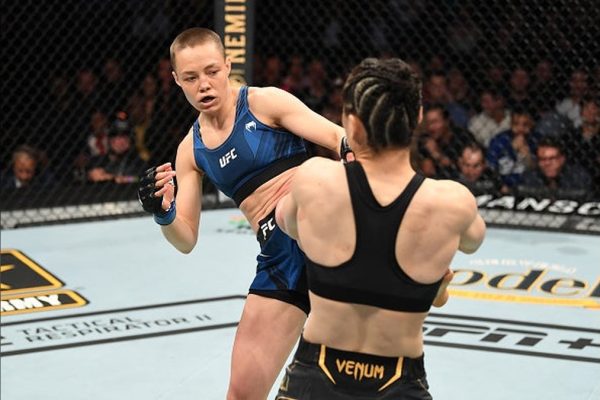
The Manchester work is not a magic hammer. A 53-54% result is narrow, and nobody should pretend it turns every lefty into a guaranteed winner. But in prizefighting, small edges become large problems when they repeat over years: the open-side rear hand, the outside-foot battle, the altered kicking lane, the mirror-image clinch entries, the different look on takedown setups. A fighter can understand all of it in a meeting and still react half a beat late once the gloves are moving.
The divisional picture makes the discussion harder to dismiss. Combat Press’ February 2026 MMA rankings listed Ilia Topuria and Max Holloway in the top five, meaning two of the five names in that elite slice were southpaws. Rankings are snapshots, not scientific proof, yet they show the same pattern coaches already prepare for: left-sided fighters keep forcing elite opponents into a less familiar fight. The next thing to watch is not whether orthodox fighters can solve southpaws in theory. It is whether camps can create enough authentic southpaw rounds to shrink the experience gap before fight night.
| Category | Reported Detail |
|---|---|
| Global left-handed estimate | Approximately 10% of the population |
| Professional MMA southpaw share | Roughly 20% of fighters |
| 2013 MMA study size | 1,468 fighters analyzed |
| Career pattern found | Southpaws averaged more fights than orthodox fighters |
| Manchester research pool | Nearly 10,000 boxers and MMA fighters |
| Southpaw test outcome | About 53-54% success against orthodox opponents |
Coaches usually respond by hunting for southpaw sparring partners, sometimes even flying one in when the opponent demands it, and a few fighters go further by switching stance in camp to feel the matchup from the other side. Six or eight weeks can help. It cannot fully replace a lifetime spent fighting the dominant stance.
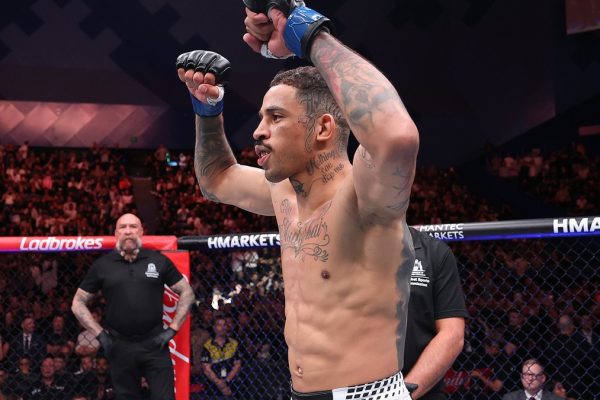
Fight Talk
Share your take on this story
Start the Conversation
Be the first to share your take. Discuss the fight, reactions, and predictions with other fans.